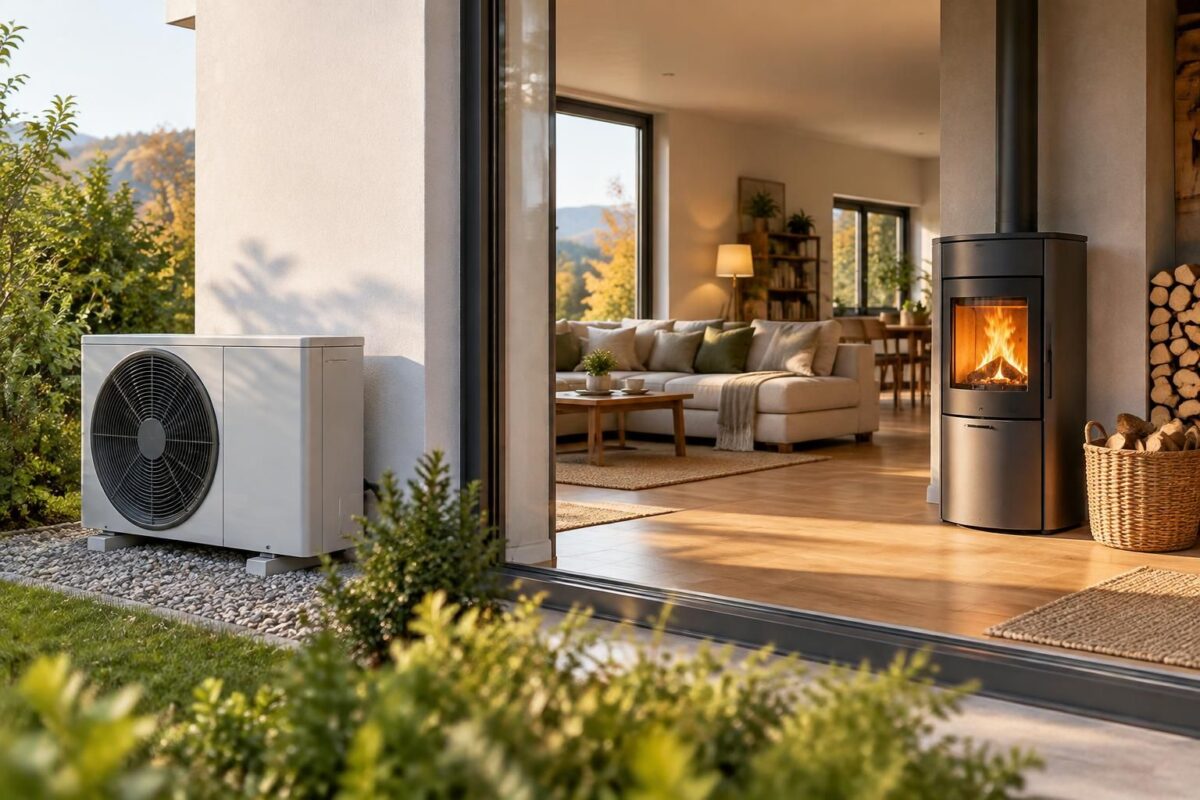
Heat Pump or Eco-Friendly Wood Heating
Hi everyone, it’s Benjamin. A heat pump is often better suited to heating an entire home with little day-to-day effort; wood heating can cost less if you have access to affordable firewood and are willing to store and maintain it. The right choice mainly depends on your insulation, budget, and available space. For steady comfort, also look at how well the appliance actually performs in your home.
WHAT TO DO FIRST
- Check the insulation: a poorly insulated home will use a lot of energy, whatever heating system you choose.
- Write down your needs: primary heating, supplementary heating, or hot water production.
- Identify any constraints: a flue, storage space, or a location for an outdoor unit.
- Compare the full cost: appliance, installation, additional work, fuel, and maintenance.
- Get several detailed quotes from qualified professionals before making a decision.
Heat pump or wood heating: the key differences
A stove produces heat by burning logs or wood pellets. It mainly heats the room it is in, although some fan-assisted or heat-storage models distribute heat more effectively.
A heat pump captures heat from the air, ground, or water, then transfers it into the home. An air-to-air heat pump blows warm air; an air-to-water heat pump generally supplies radiators or underfloor heating. Some reversible models can also cool the home.
With a heat pump, one kilowatt-hour of electricity can provide several kilowatt-hours of heat when conditions are favorable: the COP is often around 3 to 4, depending on the model and situation. This figure varies with the weather, the required temperature, and the quality of the installation, so it does not, on its own, sum up the annual bill.
Which system suits your needs?
If you want to heat the whole house without handling fuel, a properly sized heat pump is often practical, especially in a well-insulated home. If you have regular access to reasonably priced wood and want direct heat in your living room, a stove may be a good choice as a suitably designed primary heating system or as supplementary heating.
Camille, for example, lives in a house with hydronic radiators and an existing flue: she can compare an air-to-water heat pump with a stove, bearing in mind that the stove may not heat the bedrooms evenly. What often makes the biggest difference to the project is how heat circulates between rooms.
Installation costs and heating expenses
A stove is generally cheaper to buy than a heat pump. Depending on the model, a stove can cost from a few hundred euros to several thousand; high-end or heat-storage models sometimes cost more. Installation can come to around €2,000 including tax, but adding or renovating a flue can increase the quote.
An air-to-air or air-to-water heat pump often represents a higher overall investment. Installation costs can range from around €2,000 to €6,000 including tax, depending on the model and situation; a geothermal system generally requires more extensive work. Compare quotes on the same basis: some include electrical upgrades or heat emitters, while others do not.
| Criteria | Wood heating | Heat pump |
|---|---|---|
| Investment | Often more affordable for a stove; check the flue and installation costs. | Often higher, especially if the heating system needs to be modified. |
| Energy used | Logs or wood pellets, which need to be stored. | Electricity and heat captured from the air, ground, or water. |
| Everyday use | Localized heat; regular loading and cleaning. | Automated heating, generally suitable for several rooms. |
| What to watch for | Fuel price and quality, chimney sweeping, particulate emissions. | System sizing, electricity use, noise, and maintenance. |
Fuel costs vary by region, season, and quality. Logs can cost around €60 to €100 per stere and wood pellets around €300 to €400 per tonne, depending on the model/situation and time of purchase: these are ballpark figures, not guaranteed prices.
For a heat pump, the bill mainly depends on heating needs and the price of electricity. A poorly adjusted system or a poorly insulated home can reduce the expected energy savings. To prepare your requests for quotes, you can check out these tips before requesting a heating quote and compare the cost items.
Installation, maintenance, and everyday comfort
A stove requires a suitable flue and careful installation. You also need a dry place to store the fuel, and you’ll need to empty the ash and clean the glass. Professional servicing and chimney sweeping are essential to reduce the risk of fire and carbon monoxide poisoning; how often they are required depends in particular on local rules and insurance requirements.
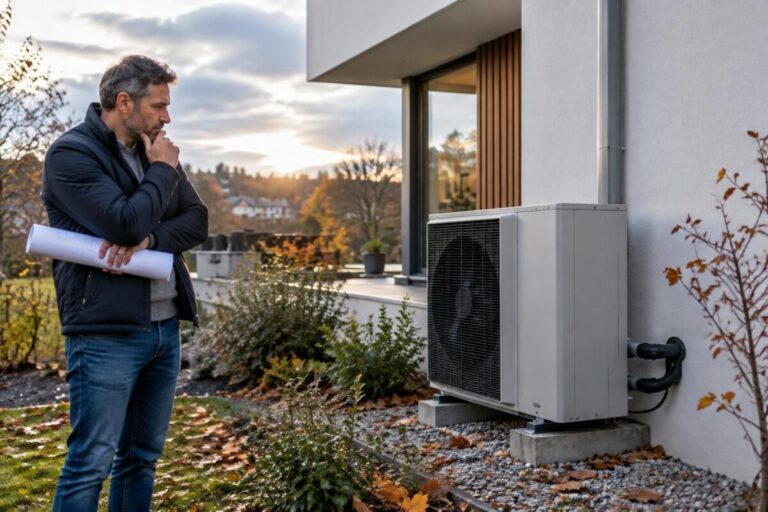
A heat pump takes up less space indoors, but its outdoor unit must be positioned properly to limit noise and allow air to circulate. The filters in an air-to-air heat pump need regular cleaning; professional inspections are subject to the regulations applicable to the appliance and its capacity.
Wood provides radiant heat and a strong visual presence. A heat pump, by contrast, maintains a more consistent temperature and requires little day-to-day effort. Watch out for a common oversight: choosing a stove solely for its design without checking its output or how the heat will reach the other rooms.
Which heating system is more environmentally friendly?
A heat pump uses renewable energy captured from the environment, while also consuming electricity. Its impact therefore depends on its efficiency, settings, and the electricity used. Wood can also contribute to environmentally friendly heating if it comes from sustainably managed sources and is burned in an efficient appliance, but combustion emits fine particles.
There is no single winner for every home. To explore the criteria further, this comparison of home heating solutions helps you match your choice to your priorities. Sustainable heating often starts with better insulation, followed by an appliance suited to your actual needs.
How to choose wisely: three practical steps
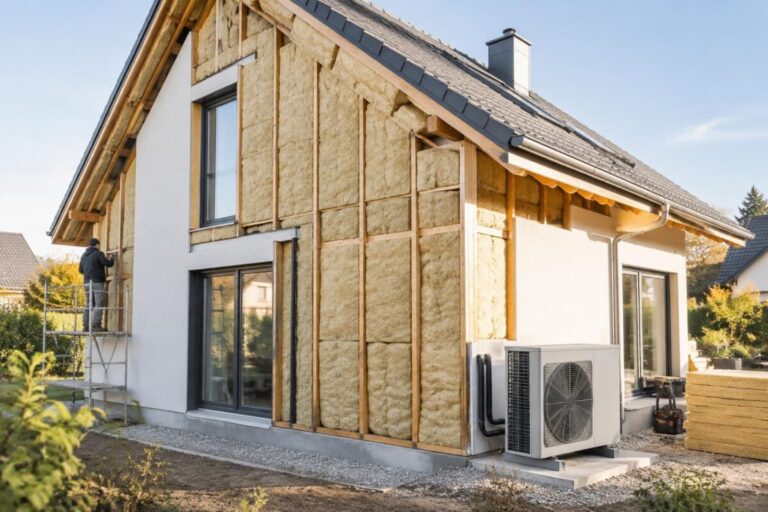
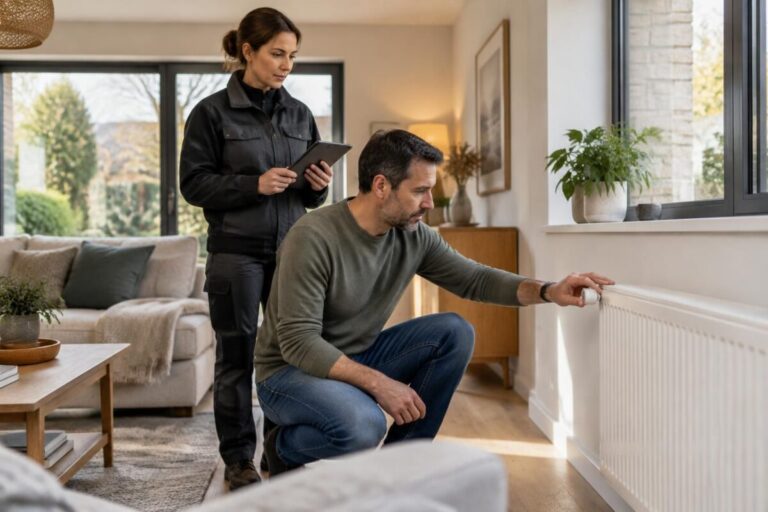
- Step 1 — Assess the home. Identify heat loss, the type of radiators, whether there is a flue, and which rooms need heating. If insulation is poor, first look into improvements that will reduce your heating needs.
- Step 2 — Compare two complete scenarios. Request a quote for each option, including installation, additional work, maintenance, and estimated energy use. Check that the proposed appliances are sized for your home.
- Step 3 — Consider how the solution fits your daily life. Ask yourself whether you can store and carry wood, whether the noise from an outdoor heat pump would be a problem, and whether you want a consistent temperature throughout the house.
If your main concern is cost, look at the real cost of a heat pump beyond its purchase price. If your home is exposed to cold winters, also consider the operating limits of a heat pump in very cold weather.
Questions to ask before choosing
Is wood heating always cheaper?
Not necessarily. Fuel can be a good option if you buy it at a good price, but you also need to factor in the appliance, flue, installation, storage, and maintenance. The cost varies by region, wood quality, and time of purchase.
Can a heat pump heat the whole house?
Yes, if the model is properly sized and compatible with the home’s heat emitters. Insulation, room layout, and outdoor temperature affect comfort and energy use.
What maintenance is required for a wood-burning stove?
You need to clean the ash and glass regularly, have the appliance inspected, and comply with local chimney-sweeping requirements. Regular maintenance helps reduce risks associated with smoke and fire.
Can you combine a heat pump and a stove?
Yes, this combination can offer flexibility: the heat pump provides everyday heating, while the stove provides supplementary heat during cold spells or according to household preferences. The sizing and controls should be planned together.
Thanks for staying with me until the end; Benjamin