Energy savings: which heating system really cuts your bill
Hello everyone, it’s Benjamin. To lower your bill, a heat pump is often the best option in a well-insulated home; in other homes, adjusting the heating and reducing heat loss can deliver savings more quickly. The right choice depends mainly on your insulation, your current system and the price of energy where you live. Comparing running costs, not just the purchase price, helps you achieve real energy savings without sacrificing comfort.
DO THIS FIRST
-
Turn the thermostat down by one degree: this can reduce the energy used for heating by around 7%, depending on the home and household habits.
-
Set a heating schedule to avoid heating at full power when you’re away or at night.
-
Identify heat loss, especially in the attic, around windows and at doors.
-
Compare several quotes and ask about installation, maintenance and running costs.
-
Check what financial assistance is available before signing with France Rénov’ and the relevant organizations.
Which cost-effective heating system really lowers your bill?
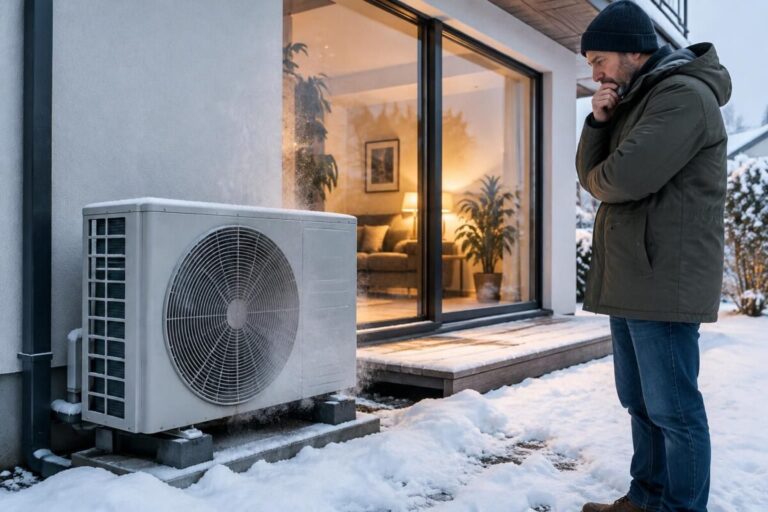
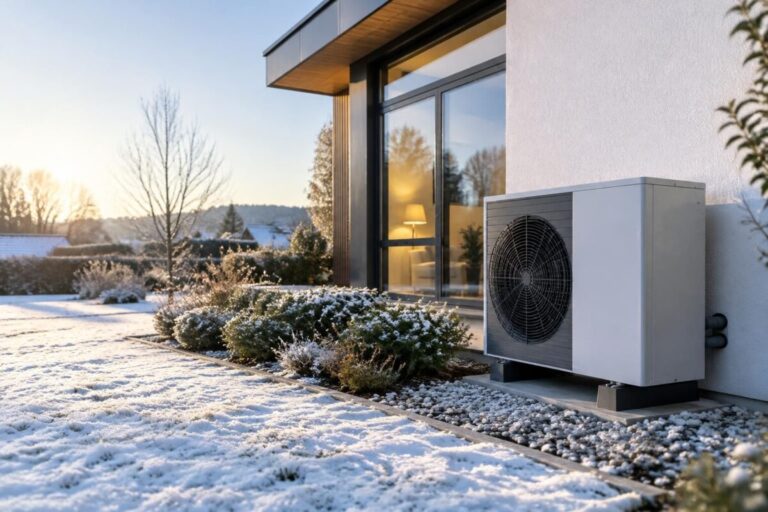
In a properly insulated home, an air-to-water heat pump often offers a good balance between running costs and emissions. However, its efficiency depends on the climate, correct sizing and the temperature required by the radiators.
Wood heating can also be cost-effective if pellets or wood are available at a reasonable price in your area. A condensing boiler may remain a transitional option in a home already connected to the gas network, while an electric radiator is easy to install but often expensive to use to heat an entire house.
A useful comparison of heating systems therefore looks at the overall budget over several years. The price shown on the quote doesn’t tell you how much the system will cost each winter.
| System | Indicative investment | Indicative annual cost | Key point |
|---|---|---|---|
| Air-to-water heat pump | €8,000 to €15,000 | €500 to €1,000 | Often suitable for a well-insulated home; results vary depending on the model and circumstances. |
| Pellet stove or boiler | €4,000 to €12,000 | €600 to €1,200 | The cost depends on the local fuel price, storage and maintenance. |
| Gas condensing boiler | €3,000 to €6,000 | €1,200 to €1,800 | May suit a home connected to the gas network, but remains exposed to gas prices. |
| Electric resistance heating | €1,000 to €3,000 | €1,500 to €2,500 | Affordable to install, but often costly to use for heating large areas. |
These figures are estimates: they vary with the floor area, region, level of insulation and energy prices. A heat pump with a COP close to 3 produces around three units of heat for every unit of electricity consumed under good conditions.
Two scenarios to help you choose wisely
If your home is well insulated and has a compatible central heating system, get a quote for an air-to-water heat pump. Also check the noise level, the available outdoor space and maintenance requirements.
If your home is older and poorly insulated, first address the biggest sources of heat loss and adjust the existing system. Installing a more powerful unit without fixing heat loss can increase costs without providing lasting improvements in comfort.
Wood heating is worth checking in practical terms: where will you store the bags, who will take care of maintenance, and what will pellets cost in winter? Fuel isn’t automatically cheap everywhere.
Insulation and adjustments: the quickest ways to save
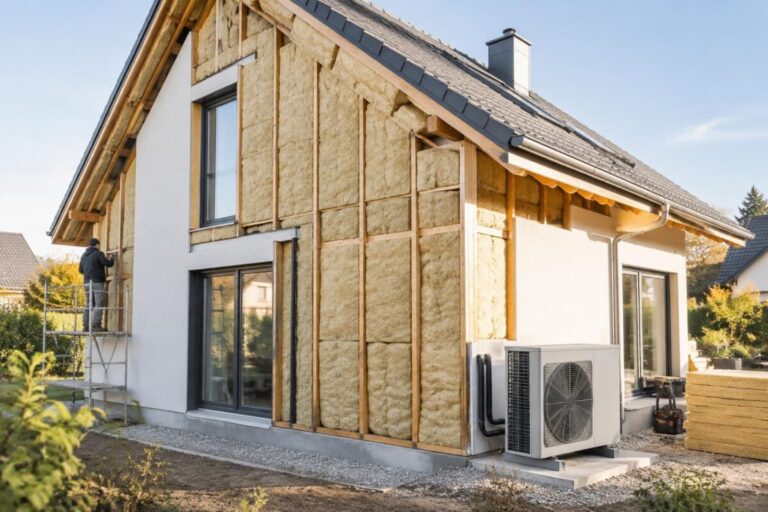
The most efficient system can’t make up for an attic or walls that let heat escape. Thermal insulation reduces heating needs at the source, making it possible to choose a less powerful system and limit its energy consumption.
In a poorly insulated home, the attic can account for a significant share of heat loss, sometimes around 30%, depending on the layout. Walls, ground floors and windows matter too: an assessment can help you prioritize work instead of tackling everything blindly.
A programmable thermostat prevents unnecessary heating in empty rooms. A temperature of 19°C in occupied rooms and a lower setting at night are useful guidelines, to be adapted to the occupants’ comfort and the characteristics of the home.
A common oversight: a radiator hidden behind furniture or covered by a curtain won’t heat the room as effectively. Clear the space around it, bleed water radiators if necessary, and clean the system’s filters according to the manufacturer’s instructions.
A three-step approach to lowering your bill
-
Step 1 — Assess your needs. Note your heating costs, the area you heat and which rooms stay cold. Have the insulation and condition of your system checked before asking for it to be replaced.
-
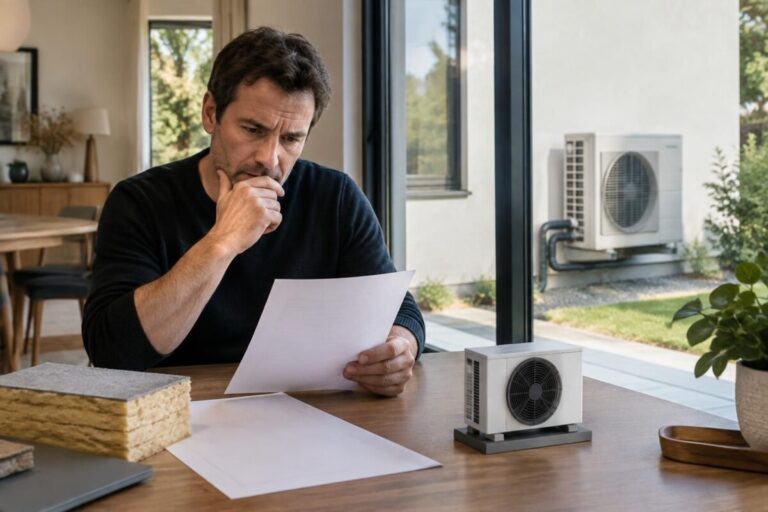
Step 2 — Compare suitable options. Get several detailed quotes and compare running costs, maintenance, estimated lifespan and compatibility with your existing heating system. To avoid surprises, also check these points to check on a heating quote.
-
Step 3 — Check available assistance, then plan. Calculate the assistance available before committing and confirm the conditions with a France Rénov’ advisor. Amounts and criteria can change: your decision should be guided by the amount you’ll actually have to pay.
Assistance such as MaPrimeRénov’, energy savings certificates and certain local grants can reduce the amount you have to pay, depending on the work and the household’s circumstances. If choosing a system is holding up your project, this way to get an energy renovation project moving can help clarify the next steps.
Everyday habits that complement cost-effective heating
Close the shutters and heavy curtains at dusk, without blocking the radiators. Air out your home briefly each day: fresh air is important, but leaving a window ajar for a long time cools the walls and means you’ll need to heat more.
In rooms you rarely use, lower the temperature rather than always turning off all the heating. Settings should take account of indoor humidity, protection against freezing and the needs of vulnerable people.
Regular maintenance also helps maintain efficiency and identify a fault before the depths of winter. For a heat pump, follow the manufacturer’s recommendations and ask a professional what applies to your system.
Questions to ask before changing your heating system
Which heating system is cheapest to run?
A heat pump is often economical in a well-insulated home with suitable equipment. The results vary depending on the climate, system sizing, energy prices and the system being replaced.
Does wood heating always lower your bill?
Not necessarily. The cost depends on the price and availability of the fuel, the appliance’s efficiency, storage and maintenance.
What should you do before installing a heat pump?
First check the insulation, radiator compatibility and heating requirements. Compare several quotes and calculate the available assistance before signing.
What adjustment can quickly reduce energy consumption?
Lowering the temperature setting by around 1 °C and scheduling heating periods can reduce consumption, often by a few percent. The actual savings depend on the home and how it is occupied.
Thanks for staying with me until the end; Benjamin