5 Energy-Efficient Heating Tips Before Getting a Quote
Hi everyone, it’s Benjamin. To get a quote for energy-efficient heating, start by reducing your home’s heating needs, then compare solutions suited to your usage and budget.
DO THIS FIRST
- Track your energy use and note which rooms feel coldest.
- Check the thermal insulation of your windows, attic and walls.
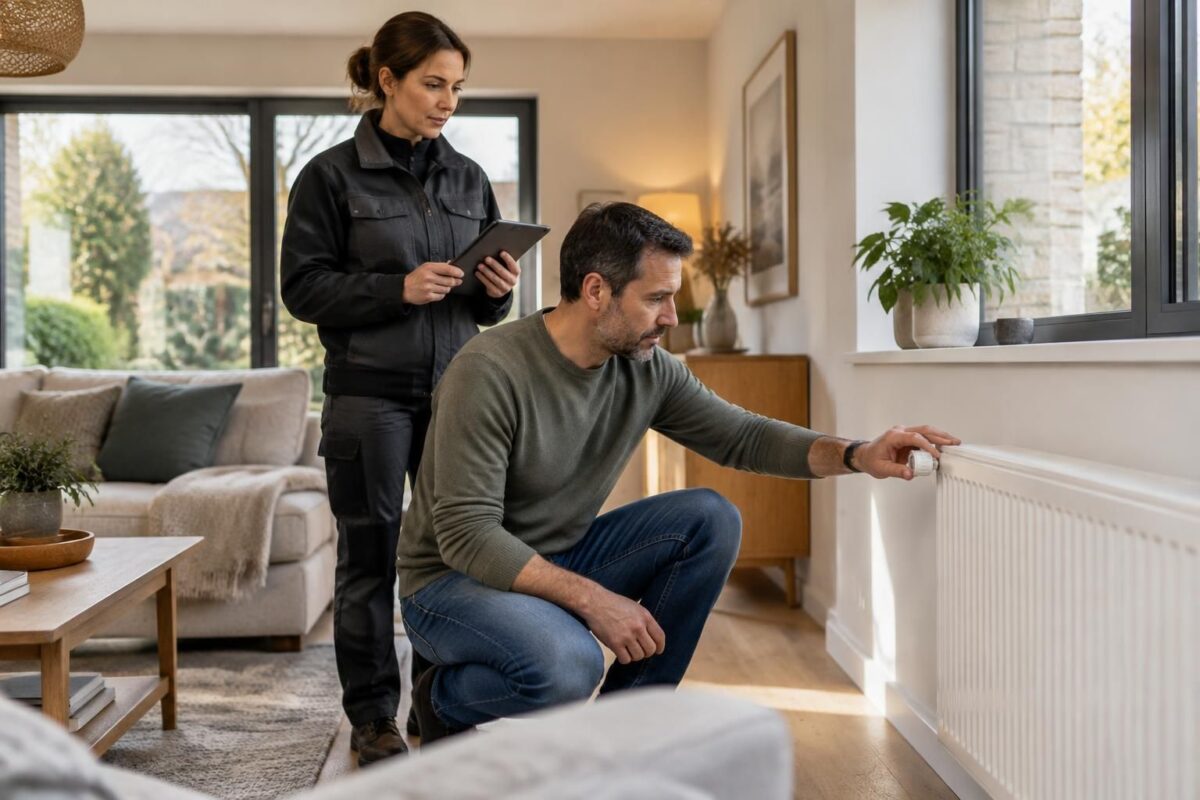
- Set your programmable thermostat to match your schedule, without heating empty rooms.
- Keep radiators clear: long curtains and furniture can restrict heat circulation.
- Plan heating system maintenance and gather information about your current equipment.
A useful quote starts with a careful assessment of your home, not with choosing a unit. These simple steps may show that an adjustment or an insulation upgrade is enough to start saving energy.
Cost-effective heating: five tips before requesting a quote
1. Identify heat loss before choosing a system
A cold spot near a window, a draft under the door or a poorly insulated attic can increase your heating needs. Make a note of these details over a few days: they will help the professional understand the actual situation.
A heat pump or a high-performance boiler cannot always make up for poor thermal insulation. To clarify your priorities, also check out these tips on heating options for a poorly insulated home.
2. Adjust the settings and assess your comfort
Try different temperature settings in different rooms and at different times of day. A programmable thermostat can prevent unnecessary heating when the home is empty, while keeping it comfortable when you return.
A common pitfall is turning the thermostat way up to warm a room faster. This does not necessarily heat the room more quickly, but it can extend the heating period. Instead, note the settings you use and the results.
3. Maintain the system before replacing it
A dirty or poorly adjusted system may operate less efficiently. Ask for a check appropriate to your equipment and review the manufacturer’s instructions, particularly for the boiler, heat emitters and ventilation.
This is useful before requesting any quote: the professional will be able to tell the difference between an end-of-life appliance and equipment that mainly needs an adjustment or repair.
4. Compare options based on your home
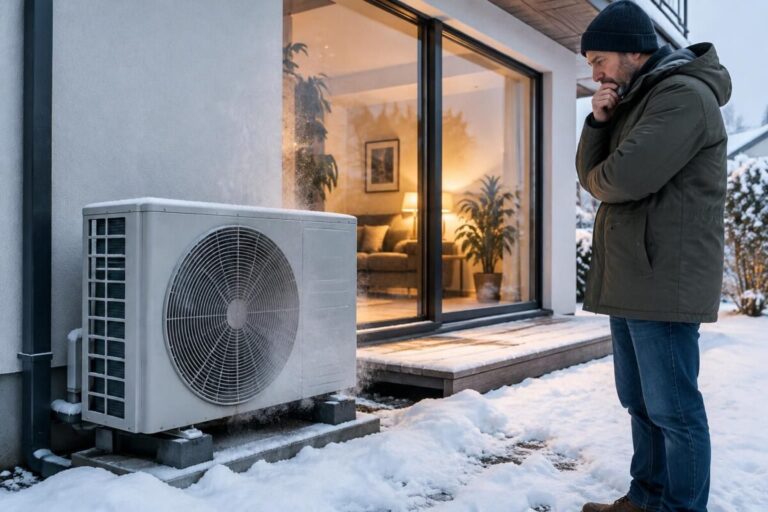
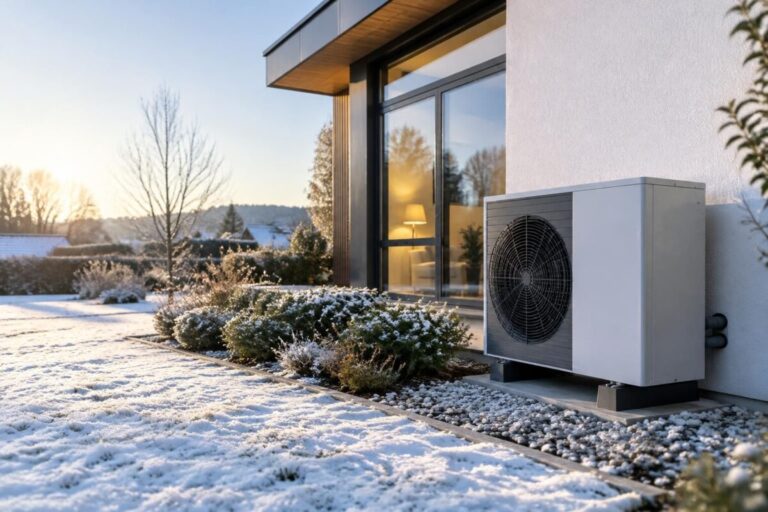
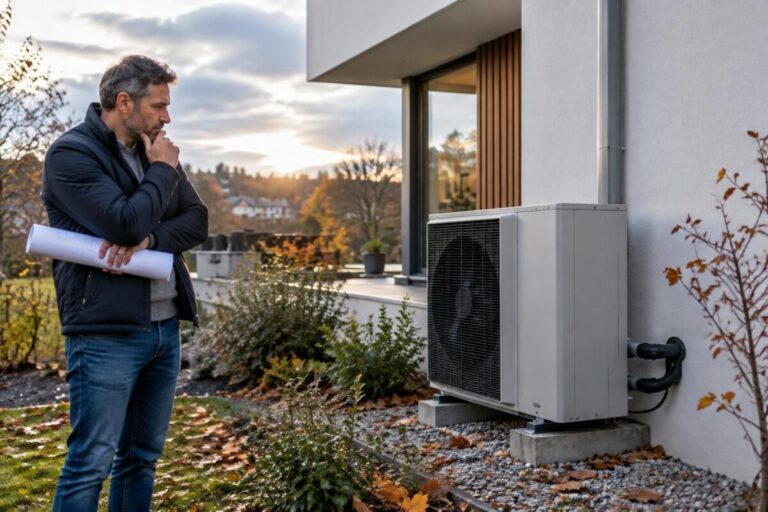
The most suitable eco-friendly heating system depends on the insulation, floor area, local climate and existing heat emitters. A heat pump may be a good option for some homes, while another solution may be better suited to others.
To prepare for comparing quotes, look at the equipment proposed, additional work, estimated running costs and maintenance requirements. This comparison of eco-friendly heating systems can help you ask the right questions.
| Solution or action | What to check before getting a quote |
| Heat pump | Insulation, compatible heat emitters and the location of the outdoor unit |
| High-performance boiler | Condition of the heating system, available energy source and flue outlet |
| Thermostat and settings | Occupancy schedule and temperature differences between rooms |
| Insulation work | Attic, windows, walls and signs of damp |
5. Request comparable quotes
Give each company the same information: floor area, occupancy habits, available energy bills and work already completed. Ask for the quote to itemize the appliance, installation, necessary modifications and maintenance work.
A low price doesn’t tell the whole story if major work is missing from the estimate. To avoid this pitfall, also read why the cheapest heating offer can be misleading.
Three steps to prepare your energy renovation project
- Step 1: gather your bills, identify rooms that are difficult to heat and note your usual thermostat settings.
- Step 2: have the insulation and existing system assessed before choosing equipment.
- Step 3: request several detailed quotes, then compare the work included, running costs and maintenance.
This approach prevents you from comparing offers that cover different work. It also helps you choose a coherent renovation plan rather than a standalone appliance.
Which heating tip should you follow in your situation?
If your home is poorly insulated… first address heat loss or ask for a comprehensive assessment. Replacing the system without considering the building envelope could result in incorrectly sized equipment.
If your system is relatively new but your bills are still high… start by checking the settings, heating schedule and system maintenance. An assessment may reveal a control issue before you consider replacing anything.
Frequently asked questions before getting a quote for energy-efficient heating
Should I insulate before replacing the heating system?
It is often useful to check the insulation before sizing a new appliance. However, the order of work depends on the home and the condition of the existing system.
What information should I give the companies?
Prepare the floor area of your home, energy bills, existing equipment, occupancy habits and details of work already completed.
Is a heat pump suitable for every home?
No. Its suitability depends in particular on the insulation, climate, heat emitters and layout of the home. Ask for an assessment tailored to your home before comparing offers.
What should I check when comparing quotes?
Compare the equipment, installation, modifications, any insulation work, settings and maintenance requirements. Check that each offer covers the same scope of work.
Thanks for staying with me until the end; Benjamin