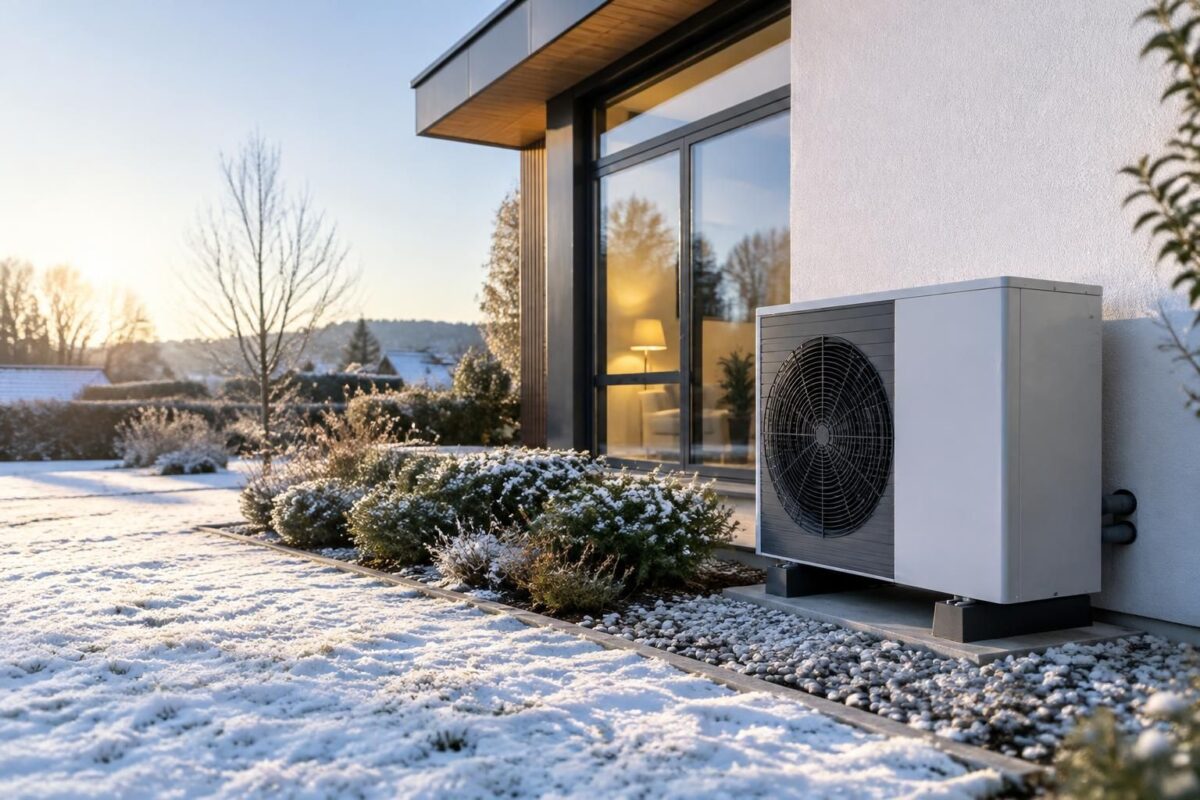
Heat pump: always the winning eco-friendly heating choice
Hello everyone, it’s Benjamin.
Yes, a heat pump is often an energy-efficient, cost-effective heating option if your home is well insulated and the system is correctly sized.
It uses heat from the air, ground or water, along with electricity to operate.
The result: energy savings and greater thermal comfort, plus a few things to check before you get started.
WHAT TO DO FIRST
- Identify draughts and rooms that lose heat quickly.
- Check the insulation in the attic, walls and windows.
- Compare models based on your home and local climate.
- Ask a qualified RGE installer to carry out a sizing assessment.
- Check what grants are available before signing a quote.
Why a heat pump can be an eco-friendly, cost-effective heating option
A heat pump does not generate all its heat by burning fuel. It captures heat from the air, ground or water, then transfers it to the home’s heating system. Its compressor uses electricity, but an efficient system often provides several kilowatt-hours of heat for every kilowatt-hour of electricity consumed.
Efficiency varies depending on the model, outdoor temperature and settings. A COP rating quoted under laboratory conditions does not tell the whole story: insulation, water flow temperature and installation quality matter too. To compare homeowners’ experiences, you can read these sometimes conflicting opinions on heat pumps.
By replacing an oil- or gas-fired boiler, a heat pump can help reduce greenhouse gas emissions. However, its overall impact depends on the electricity it consumes, the refrigerant and the manufacture of the equipment. So, eco-friendly heating should be assessed based on the entire system, not just the appliance.
Air-to-air, air-to-water or geothermal: which model should you choose?
An air-to-air heat pump warms indoor air and can also cool certain rooms. An air-to-water model supplies a radiator circuit or underfloor heating. Geothermal models draw heat from the ground; they can be efficient, but the installation work is often more extensive.
If you already have water radiators, an air-to-water heat pump may make it easier to replace a boiler, provided the system is compatible. If your home is heated with electric convectors and you want to heat just a few rooms, an air-to-air model may be an option. Your actual needs should still be assessed before you choose.
| Option | Suitable for | What to check |
|---|---|---|
| Air-to-air heat pump | Directly heating rooms, sometimes with cooling | Air distribution and noise level |
| Air-to-water heat pump | Water radiator system or underfloor heating | Required temperature and system compatibility |
| Geothermal heat pump | Projects with suitable land and installation work | Cost of ground loop installation and site feasibility |
The right technology is the one that suits the building, not the one with the most attractive sales pitch. To identify the selection criteria, also see how the right model can help avoid certain problems.
Insulation and sizing: the two keys to energy efficiency
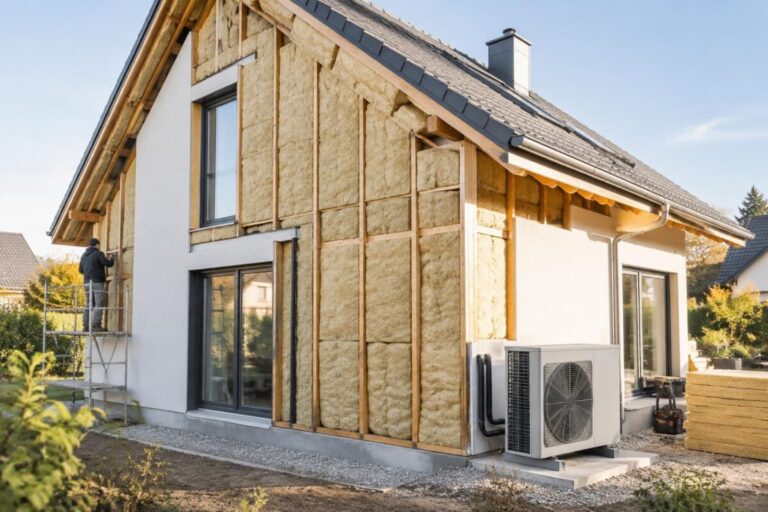
A poorly insulated home loses heat quickly. The heat pump then has to work harder, and the energy savings you hoped for may not materialize. Attics are often a weak point: in some homes, they account for a significant share of heat loss, depending on the condition of the roof and the existing insulation.
Sizing should take into account the floor area, insulation, radiators, number of rooms and winter temperatures in the region. An oversized unit may cycle on and off frequently; an undersized one may rely heavily on its electric backup during cold spells. These preparation mistakes are explained in this guide to mistakes to avoid before installation.
A common real-world scenario: the heat pump is installed before the attic is insulated. The house continues to lose heat through the roof, and the occupants think the appliance is to blame. The order of work can affect the outcome; these insulation options that work well with a heat pump can help you set priorities.
Three steps to prepare your project
- Step 1: assess heat loss and any useful insulation work. An audit or assessment can help you set priorities.
- Step 2: ask for a heating assessment that details the required capacity, operating temperatures and compatibility with your heat emitters.
- Step 3: compare several detailed quotes from qualified RGE installers, then check which grants you can access and what maintenance is required.
Taking the time to compare options does not mean you have to put the project off: above all, it helps you avoid making a decision based solely on the quoted price. To weigh up the timing, you can read this advice on whether to go ahead with or postpone your installation.
Winter, maintenance and settings: preserving energy savings
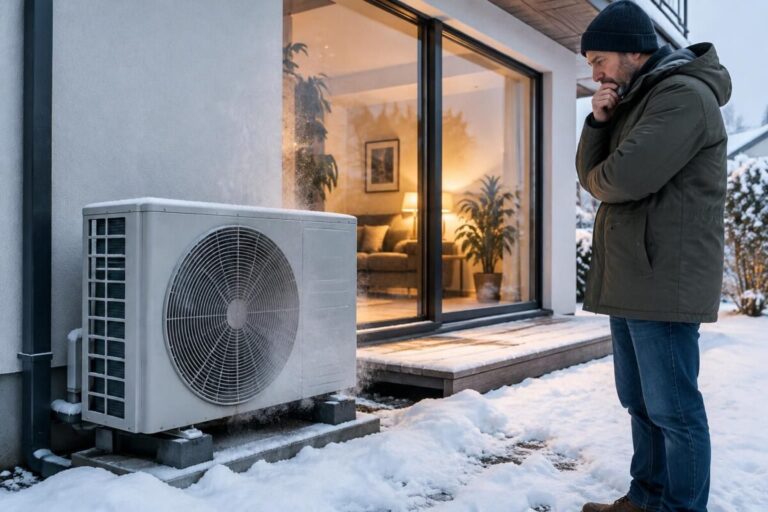
In very cold weather, an air-source heat pump may use more electricity because it is harder to extract heat from the outdoor air. Recent models are designed to operate in cold conditions, but their energy consumption depends on the home and the installation. To assess your savings, look at the whole season rather than a single freezing week.
A well-set thermostat helps avoid unnecessary temperature fluctuations. Keep the temperature steady, schedule heating periods around your routine and avoid changing the settings several times a day. Also make sure the outdoor unit is clear of leaves, snow or objects that could obstruct airflow.
Regular maintenance helps maintain energy efficiency. The filters in an air-to-air heat pump should be kept clean, and any unusual noise or drop in heating performance should be checked by a professional. Do not touch the refrigerant circuit: it must be inspected by a qualified specialist.
The refrigerant also affects the overall impact
Some refrigerants have a high global warming potential if they leak. Newer generations are moving towards lower-impact alternatives, but the refrigerant used depends on the model. When buying, ask for its name and find out about maintenance and the equipment’s end of life.
So, the energy transition is not just about installing an efficient unit. Careful installation, suitable settings and leak prevention are also essential to limit the environmental impact.
Combining a heat pump with renewable energy
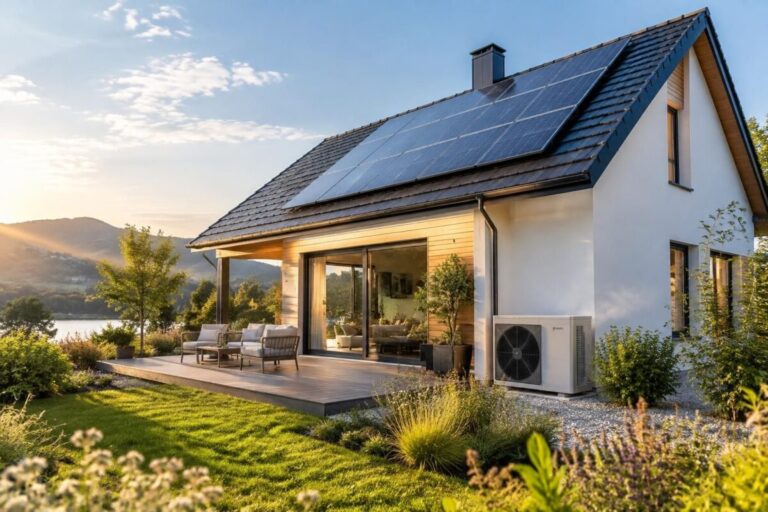
Solar panels can supply some of the heat pump’s electricity needs when solar power is available. A hot water tank or suitable scheduling can help you use some of this energy on site. The results vary depending on sunlight, system size and household habits.
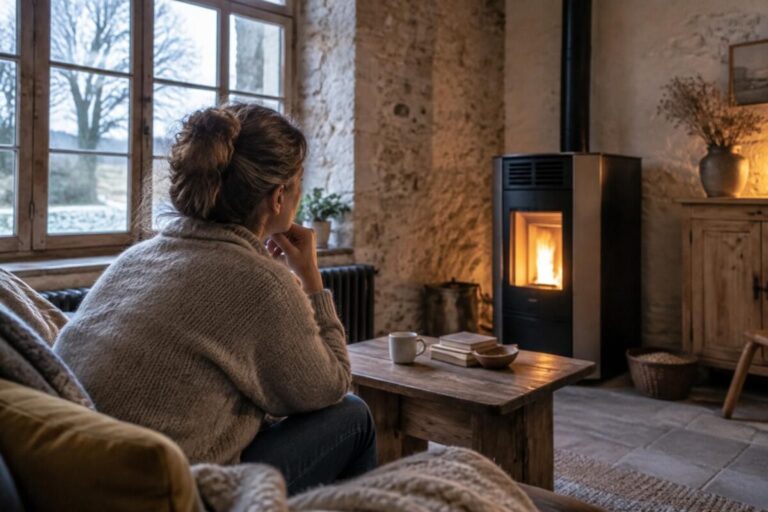
Another option is to keep a supplementary heating system, such as a wood stove, in a home where the needs or climate make it appropriate. However, avoid adding multiple systems without an assessment: system controls and overall compatibility determine everyday thermal comfort.
Public grants can reduce the upfront cost, but their amounts and criteria change. Check the current rules before signing, including whether the equipment is eligible and whether you need to use a recognized professional. These tips for planning eco-friendly heating are a useful complement to this process.
Practical questions to consider before choosing a heat pump
Does a heat pump use a lot of electricity in winter?
Its energy consumption can rise as temperatures fall, especially if the home is poorly insulated or the unit is incorrectly sized. Assess the results over the entire season and have the settings checked.
What COP should you look for in a heat pump?
A high COP indicates good efficiency under specific test conditions. To estimate real-world performance, also compare seasonal efficiency, the local climate and the temperature required by the radiators.
Should you insulate before installing a heat pump?
This is often preferable if the home loses a lot of heat. Improved insulation can reduce heating needs and allow you to choose a better-sized unit.
Is a heat pump always eco-friendly?
It can reduce emissions compared with a fossil-fuel boiler, but its overall impact depends on the electricity, refrigerant, manufacturing and installation quality.
When insulation, sizing and installation are all done right, a heat pump can become a lasting, cost-effective, energy-efficient heating solution, with more manageable bills and a more comfortable home.
Thanks for staying with me this far; Benjamin