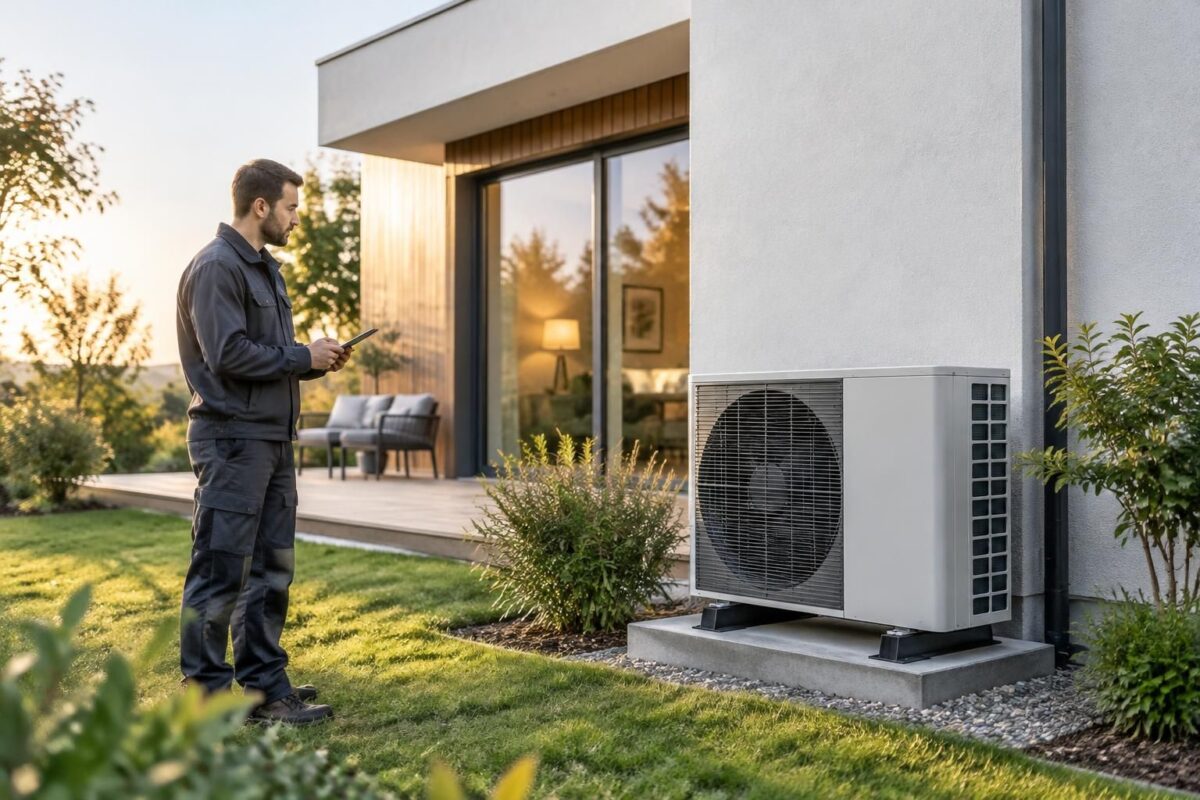
Heat pump: Which problems can the right model prevent
Hi everyone, it’s Benjamin. The right heat pump model mainly helps avoid excessively high bills, insufficient heat, frequent breakdowns and noise issues, provided it is correctly sized and installed.
The model you choose depends on your home, its insulation, your radiators and the local climate. A thermal assessment and a qualified installer can help maintain thermal comfort without driving up energy consumption.
WHAT TO DO FIRST
- Have your home’s heating needs assessed before choosing the system’s capacity.
- Check the insulation and identify the main sources of heat loss.
- Compare models with your radiators or underfloor heating in mind.
- Request several detailed quotes from experienced RGE-certified installers.
- Plan where the outdoor unit will go, as well as maintenance and the impact on your electricity tariff.
The right heat pump model helps avoid sizing mistakes
An oversized heat pump starts and stops frequently. These short cycles can accelerate wear and increase energy consumption. Conversely, an undersized unit may leave the house cool on the coldest days and require you to use supplementary heating.
Sizing must take into account the insulation, the volume to be heated, the region and the heat emitters. An air-to-water heat pump can supply radiators or underfloor heating; an air-to-air heat pump heats the air and can also cool some rooms.
If you have old cast-iron radiators, check that the model can provide a suitable water temperature. If your home is well insulated and has underfloor heating, a low-temperature model can often operate more efficiently.
Poor insulation can cancel out some of the savings
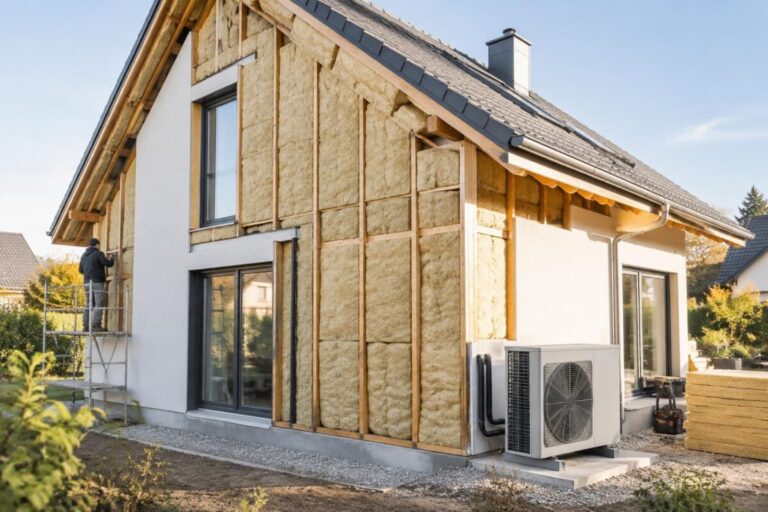
In a house that loses heat quickly, the heat pump has to run more to maintain the temperature. Even a good unit cannot, by itself, make up for a poorly insulated attic or very draughty windows.
Before signing, consider the order of the work and the potential savings by reading this overview of whether to insulate before or after installing a heat pump. To spot common oversights, you can also read about these mistakes to avoid before installation.
Air-to-air, air-to-water or geothermal: avoid choosing the wrong type
The type of heat pump should suit the existing heating system and the constraints of your property. An air-to-water heat pump is often suitable for a house with a radiator circuit or underfloor heating. An air-to-air heat pump can meet room-by-room heating needs, but it does not heat the water in radiators.
| Heat pump type | Suitable for | What to check |
|---|---|---|
| Air-to-water | Radiators and underfloor heating | Required temperature in the circuit |
| Air-to-air | Direct air heating, sometimes reversible | Heat distribution between rooms |
| Geothermal | Homes with suitable land and a suitable project | Ground-loop installation work and soil constraints |
Published performance figures, such as the SCOP, are used to compare units under specified conditions. They do not, on their own, predict actual energy consumption: the flow temperature, weather and settings also matter. In practice, a heat pump often provides several units of heat for each unit of electricity, but the result varies depending on the model and the circumstances.
Reduce noise, breakdowns and unpleasant bill surprises
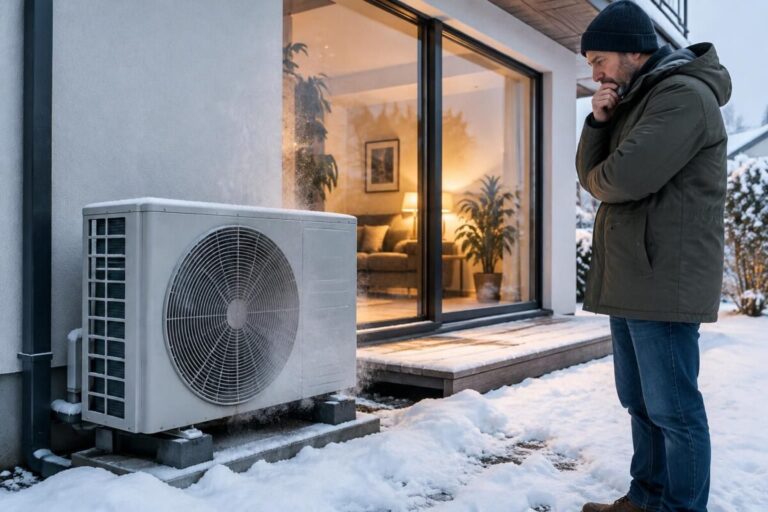
The location of the outdoor unit deserves careful thought. If it is placed under a window or facing a neighbour’s patio, it can cause noise issues, especially at night. The installer must also ensure adequate airflow and access for maintenance.
A clear quote specifies the model, capacity, electrical and plumbing work, commissioning and warranties. Compare the services included, not just the installation cost: a very low offer may leave out essential items.
Energy consumption also depends on the controls. Settings adapted to the outdoor temperature, often referred to as weather compensation for an air-to-water heat pump, help avoid overheating and temperature fluctuations. Ask the installer to explain the settings before they leave.
Reviews of this equipment can vary because homes and installations differ greatly. This overview of why opinions on heat pumps can be so divided helps put user experiences into context.
A simple three-step process
- Step 1: have the insulation, radiators, heated floor area and hot water needs assessed. Ask for a capacity estimate based on these factors.
- Step 2: compare at least two or three quotes from RGE-certified installers. Check the installation details, stated noise level, warranties and post-installation support.
- Step 3: before commissioning, have the settings, airflow and heating operation checked. Make a note of the maintenance instructions and the contacts to use in case of a breakdown.
Maintenance costs depend on the contract and the installation; an annual budget of around €150 to €300 is sometimes quoted, depending on the model and circumstances. Ask what is included: call-out fees, inspections, cleaning and any repairs are separate items.
Questions to check before choosing a heat pump
How can I tell if my heat pump is incorrectly sized?
Very frequent starts, a home that remains cold in cold weather or unusually high energy consumption may indicate a problem. A professional should check the home’s needs and the settings before drawing a conclusion.
Can a heat pump cause overheating?
Yes, if the capacity or settings are not suited to the home and its heat emitters. Appropriate controls and careful commissioning help limit temperature fluctuations.
Which model should I choose with old radiators?
You need to check the water temperature required by the radiators. Some high-temperature models may be more suitable, but an assessment of the home and heating circuit is still essential.
How can I reduce noise from the outdoor unit?
Choose its location with the installer, avoiding windows and areas where sound can reverberate. Keeping the required distances and mounting it on a suitable base can also reduce noise.
Thanks for staying with me until the end; Benjamin