Solar energy and heat pumps: which combination pays off more
Hello everyone, it’s Benjamin. The combination often delivers more than a heat pump or solar panels alone, especially if the heat pump uses electricity while the sun is shining. However, the savings depend on your insulation, energy use and correct system sizing. With suitable controls, you can reduce your electricity purchases without necessarily adding a battery.
Solar energy and a heat pump: which combination delivers the greatest savings?
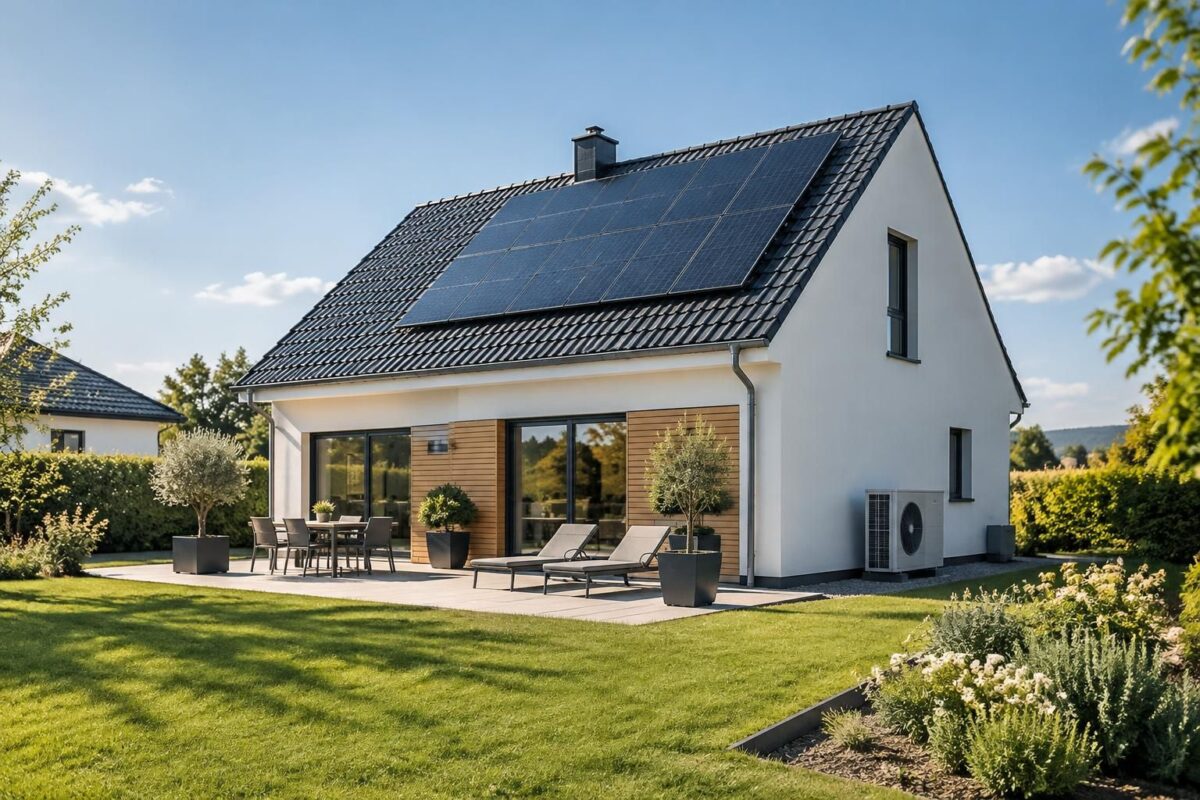
To reduce your energy bill over the long term, combining solar photovoltaic panels with a heat pump is often the most worthwhile option, provided you use some of the solar electricity on-site. Solar panels alone can still be cost-effective, but a heat pump with well-adjusted controls helps you use the electricity they produce rather than selling it back at a low price.
The seasonal mismatch is still worth bearing in mind: the heat pump does more heating in winter, when the days are short, while the panels produce more in spring and summer. So the goal isn’t to run the entire heat pump on solar power, but to shift some of its use to sunny hours.
WHAT TO DO FIRST
- Check your heat pump’s annual electricity use on your bills or its dedicated meter.
- Have your insulation assessed before choosing your heating system’s capacity.
- Ask for an estimate of solar production based on your roof’s orientation and shading.
- Check whether your heat pump supports control based on photovoltaic surplus, for example via SG Ready.
- Compare installation costs and available incentives using several detailed quotes.
Why combining the two can improve energy cost-effectiveness
A heat pump converts electricity into several times more heat, depending on the conditions and its performance. With a COP of around 3 during typical operation—varying by model and situation—one kilowatt-hour of electricity can provide about three kilowatt-hours of heat.
When that electricity comes from your panels, you buy less from the grid. But the result depends on when the heat pump runs: without adjustments, it may use electricity in the evening, when solar production has already fallen. To better understand what makes the system work, see this overview of the benefits of combining solar energy with a heat pump.
A well-sized system can cover a significant share of the heat pump’s electricity use, often around 30 to 65%, depending on the region, installed capacity, season and controls. This doesn’t mean complete energy independence: in winter, the grid is generally still needed.
Self-consumption: controls make all the difference
The simplest way to make use of surplus electricity is to slightly raise the temperature of your home or hot water tank during production hours. The floor slab, walls and water then store some of that heat for later. This is thermal storage, which is often less expensive than a battery, but it must remain compatible with your comfort and the manufacturer’s settings.
An energy management system can switch on certain appliances when the panels are producing more electricity. An SG Ready-compatible heat pump can also receive a signal to adjust its operation. Before buying a control unit, check that the inverter, heat pump and electrical panel are compatible: a mismatch between models can make the installation unnecessarily complicated.
If you’re unsure about how reliable the setup is, this guide covers the points to check when assessing whether a heat pump and solar power make a reliable combination.
Installation costs and return on investment
As a guide, an air-to-water heat pump can cost around €8,000 to €15,000, while a 3 kWp photovoltaic system often costs around €6,000 to €10,500. For 6 kWp, expect to pay around €9,500 to €17,000, depending on the equipment, roof and region. These figures are approximate and before incentives.
A 5 kWh home battery can add around €3,000 to €6,000. It may increase self-consumption, but it doesn’t guarantee a better return on investment: its price should be compared with the actual savings expected and the value of the electricity exported to the grid.
| Configuration | Indicative self-consumption | Budget guide |
|---|---|---|
| Heat pump without panels | No solar production used | Heat pump: around €8,000 to €15,000 |
| Heat pump with 3 kWp of panels | Around 30 to 40% | Combined project: around €14,000 to €20,000 |
| Heat pump with 6 kWp of panels | Around 40 to 55% | Combined project: around €18,000 to €26,000 |
| Heat pump, 6 kWp and 5 kWh battery | Around 60 to 70% | Combined project: around €22,000 to €32,000 |
These ranges vary depending on the home and equipment. In some well-designed projects, the payback period may be around 8 to 12 years, but it can be longer if the initial cost is high or if only a small share of production is used on-site. Incentives change over time: check the official terms when you sign, and don’t deduct them until they’ve been confirmed.
Three steps to plan a well-matched project
- Step 1: measure your needs. Gather your bills, check the heat pump’s electricity use and have your insulation assessed. A poorly insulated home may lead you to install an oversized heat pump, resulting in less consistent operation.
- Step 2: size the equipment. Have your heat loss and local solar production estimated. For a home’s overall energy needs, systems between 3 and 6 kWp are often considered, but the roof and household habits matter just as much as the available area.
- Step 3: ask for controls and detailed quotes. Compare SG Ready compatibility, proposed settings, warranties and production monitoring. A qualified RGE professional experienced with the equipment in question can also explain the applicable procedures and incentives.
Two scenarios to help you decide faster
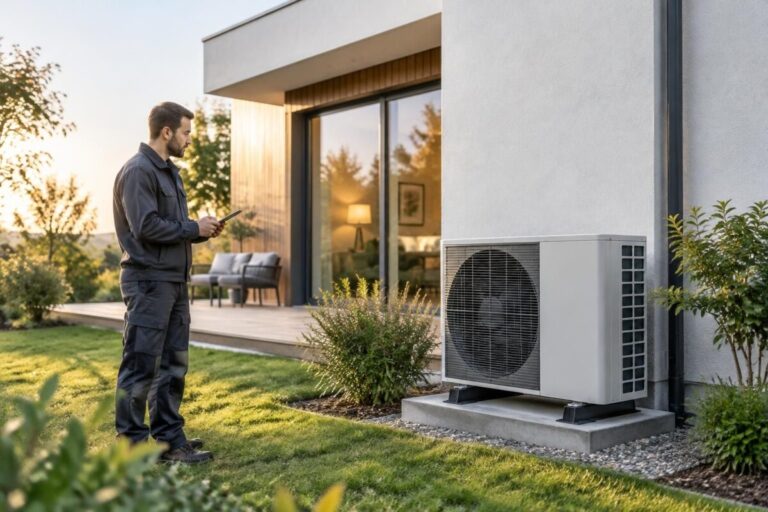
If your heat pump is already installed, first check whether it’s compatible with solar controls. You can add panels later and schedule the hot water tank or heat pump to use any available surplus.
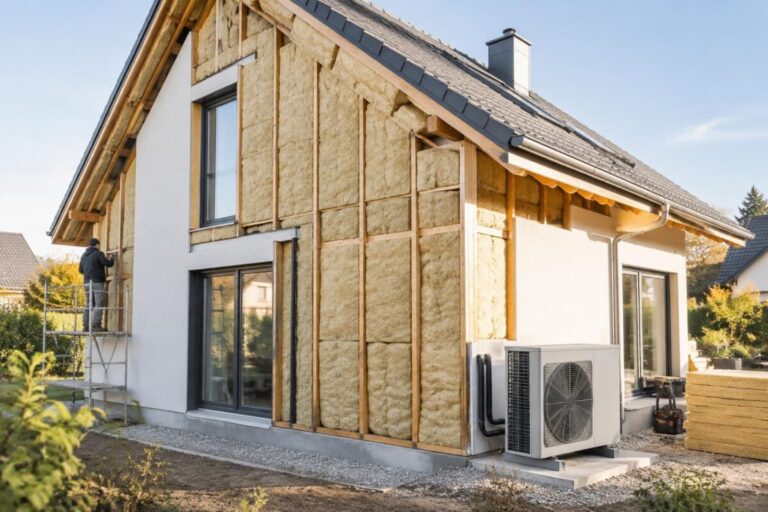
If you’re renovating your heating system at the same time, start by reducing your home’s energy needs, then size the heat pump and photovoltaic system together. This approach avoids paying for unnecessary capacity and helps save energy.
Eco-friendly heating, provided the system is properly adjusted
This combination contributes to the energy transition by reducing electricity purchases and the use of fossil fuels, but its overall performance also depends on the quality of the installation. A poorly adjusted heating curve or an oversized heat pump can eat into some of the expected savings. Comfort should remain the priority: there’s no need to overheat your home to use every kilowatt-hour of solar electricity.
To put the claims into perspective, you can also read this analysis of the real benefits of combining solar power with a heat pump. Energy savings mainly come from three simple factors: controlled energy needs, suitable equipment and consistent system controls.
Frequently asked questions about solar energy and heat pumps
Can solar panels power a heat pump entirely?
Generally, not throughout the entire year: the heat pump uses more electricity in winter, when solar production is lower. A well-sized system can cover a significant share of its electricity use, often around 30 to 65%, depending on the region, controls and whether a battery is included.
Do you need a battery to make the combination cost-effective?
No. The hot water tank and the home’s thermal mass can store some of the heat produced during the day. A battery can increase self-consumption, but its cost should be compared with the additional savings expected.
Can you add panels to a heat pump that’s already installed?
Yes. First check whether the heat pump can be controlled based on solar production. An energy manager or a suitable power diverter can help use the surplus, depending on equipment compatibility.
Which option delivers greater savings: a heat pump alone or a heat pump with solar?
A heat pump and photovoltaic panels can further reduce energy purchases, but the initial cost is also higher. The best choice depends on the incentives received, energy use, installation costs and the share of solar electricity used on-site.
Thanks for staying with me this far; Benjamin