Poor insulation: which low-cost heating option is still credible?
Hello everyone, it’s Benjamin. With poor insulation, the most sensible choice is often a well-regulated heating system, combined with reducing drafts and carrying out targeted insulation work.
A heat pump may be suitable if the home and heat emitters are compatible; a wood-burning stove can also provide effective heat when a flue and storage space are available. But no appliance can compensate on its own for the heat loss of a poorly protected home: thermal comfort and energy costs also depend on the settings and work undertaken.
WHAT TO DO FIRST
- Identify drafts around windows, doors, and shutter boxes.
- Fit suitable weatherstripping and a door sweep if cold air is coming in under the doors.
- Schedule the heating around your routine, without heating unoccupied rooms as much as living areas.
- Keep radiators clear: furniture or curtains in front of the unit hinder heat distribution.
- Get an assessment before replacing the entire system or choosing expensive equipment.
Why poor insulation drives up your bills
In a poorly insulated home, the heating runs for longer because heat escapes through the walls and air leaks. Depending on the home, energy use can be around 30 to 50% higher than in a better-protected home. This is not a guaranteed figure: the climate, floor area, habits, and condition of the building can all change the result significantly.
Lofts and roofs are often the top priorities, followed by walls and windows. The proportions vary from one home to another and cannot simply be added together. But an old window, a cold floor, or worn weatherstripping can be enough to make a room uncomfortable, even with a powerful radiator.
| Area to check | Approximate heat loss | First step |
|---|---|---|
| Roof and loft | About 25 to 30% | Check insulation and air infiltration |
| Walls | About 20 to 25% | Look for cold surfaces and thermal bridges |
| Windows | About 10 to 15% | Check the weatherstripping and condition of the frames |
| Floors | About 7 to 10% | Identify floors above an unheated space |
These figures are general guidelines, not an assessment of your home. The priority is to identify actual heat loss before buying a more powerful heating system.
Which energy-efficient heating option is a realistic choice?
Heat pump: worthwhile if the home is suitable
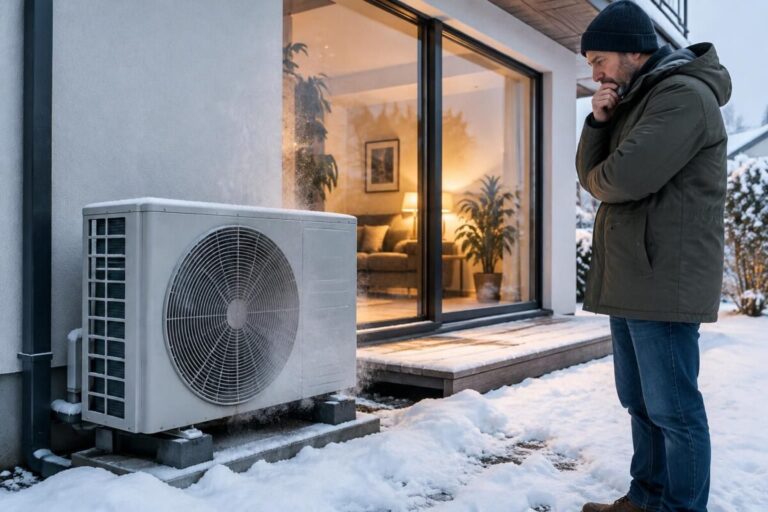
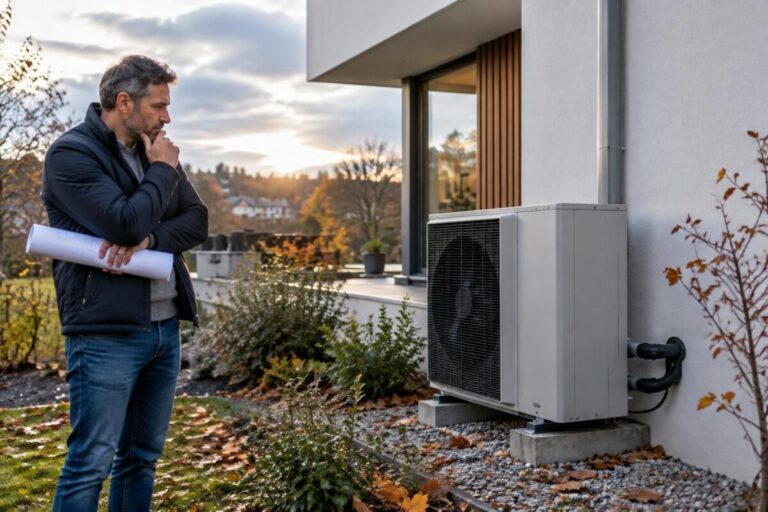
An air-to-air heat pump can quickly heat a living area and be a good option alongside another system. However, its efficiency depends on the outdoor temperature, sizing, and room layout. In an apartment, the outdoor unit, noise, and approval from the homeowners’ association can also complicate the project.
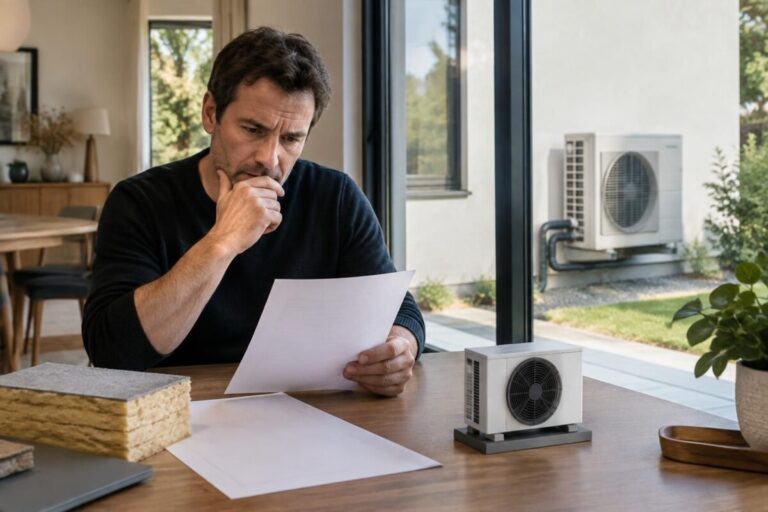
Before signing, check the insulation, heat emitters, and quote. These tips explain how to prepare your home before installing a heat pump. To better understand its limitations, you can also read about how it works in very cold weather.
Wood-burning stove: a supplementary option, subject to certain conditions
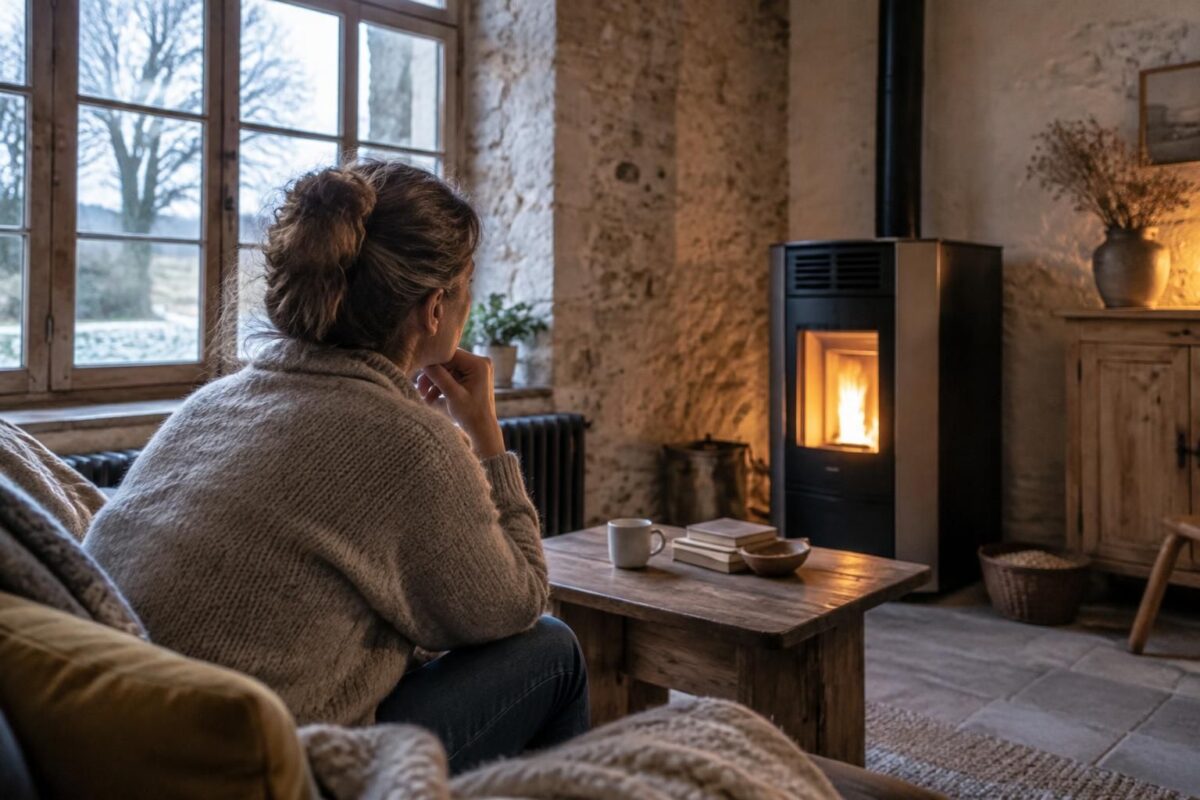
A wood-burning or pellet stove gives off a lot of heat and can reduce reliance on the main heating system in the room where it is installed. However, it requires a compliant flue, a suitable air supply, and dry storage space. In an apartment building, check the homeowners’ association rules and venting requirements before making a purchase.
If you already have a compliant flue, a stove can be an interesting supplementary heating option. If you live in an apartment without suitable venting, it’s better to consider electric options or an approved heat pump rather than rely on an impractical installation.
Low-energy radiators: easy to control, but no miracle solution
Thermal inertia radiators provide more even heat than conventional convector heaters and can often be installed without major work. They do not automatically use less electricity for the same level of comfort: their main benefit comes from precise controls, well-set schedules, and heating rooms individually.
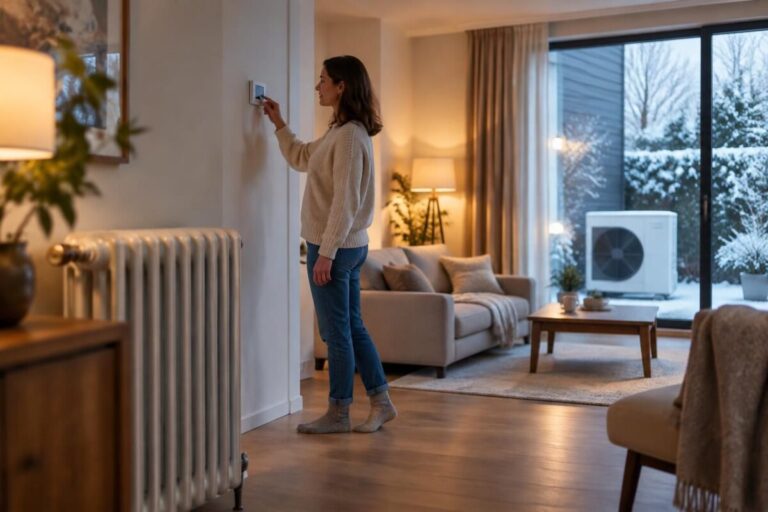
In a poorly insulated home, a programmable thermostat helps avoid unnecessary heating. Keep the temperature suited to how each room is used and lower it reasonably at night or when you’re away. So-called “smart” systems do not replace good scheduling or reducing heat loss.
Reduce heat loss before replacing your equipment
A few simple steps can quickly improve how comfortable your home feels: close heavy curtains in the evening, fit a draft excluder under a door, and install weatherstripping on windows that let air in. In the morning, open the curtains on the sunny side to make the most of natural warmth. Also remember to keep radiators clear: a long curtain covering them is a common mistake.
Air out the home briefly with the windows wide open rather than leaving a window ajar for a long time. This refreshes the air without letting the walls cool down for an extended period. Proper ventilation is still necessary to remove moisture; never block air inlets to stop a draft.
To compare options based on actual costs, see this guide to heating that can really lower your bill. The right choice depends on the home, not just the label on the appliance.
How to choose wisely: a three-step method
- Step 1 — Locate heat loss. Check the loft, windows, doors, and cold surfaces. If the main problem is a draft, start by improving airtightness rather than buying a new appliance.
- Step 2 — Compare suitable options. Consider the purchase price, energy source, maintenance, installation requirements, and controls. A quote should specify the equipment, its output, and the work included.
- Step 3 — Improve the building envelope gradually. A well-planned thermal renovation reduces heating demand and then makes it possible to choose a less powerful system. Check what financial assistance is available and its conditions before starting work.
Simple monitoring can also help: for a week, note how warm each room feels, when the heating is on, and any available energy use figures. If a room stays cold while the radiator runs constantly, the problem may be the building envelope or the settings, not a lack of heating output.
Frequently asked questions about heating a poorly insulated home
Which heating system should I choose with poor insulation?
A heat pump may be suitable if the home, heat emitters, and installation requirements are compatible. Well-regulated electric radiators can also be a stopgap, while a wood-burning stove requires a suitable flue. Reducing heat loss remains the priority.
Do thermal inertia radiators reduce energy use?
They can make heat more consistent and make it easier to regulate. At the same level of comfort, they do not guarantee lower energy use than other electric radiators: the settings and heat loss from the home matter a lot.
Which work should be prioritized for a thermal renovation?
Start by identifying heat loss, particularly through the roof, windows, and around doors. The order of work depends on the building; an assessment helps avoid isolated expenses that do not address the main cause.
Is supplementary heating enough in a poorly insulated home?
It can make an occupied room more comfortable, but it does not replace the main heating system or necessary renovations. Choose an appliance suitable for the room and follow safety instructions, especially when using wood.
Thanks for staying with me until here; Benjamin