Energy savings: poor heating costs years
Hi everyone, it’s Benjamin. To keep a poor heating system from costing you for years, adapt your equipment to your home, limit heat loss, and program a thermostat. Heating can account for a large share of your energy bill, especially when thermal insulation is poor or the system is running at the wrong pace. The right strategy starts with identifying heat loss, then choosing suitable improvements and settings. Energy savings depend on the home, the climate, and the system installed: the stated percentages do not automatically add up.
WHAT TO DO FIRST
- Identify rooms that are difficult to heat and drafts near windows, doors, and the attic.
- Check the heating settings and lower the temperature by one degree if you’re still comfortable.
- Program periods when you’re away instead of heating unnecessarily all day.
- Have the insulation and ventilation checked before replacing equipment that is still working.
- Compare running costs over several years, not just the purchase price of the new appliance.
Why a poor heating system costs more over time
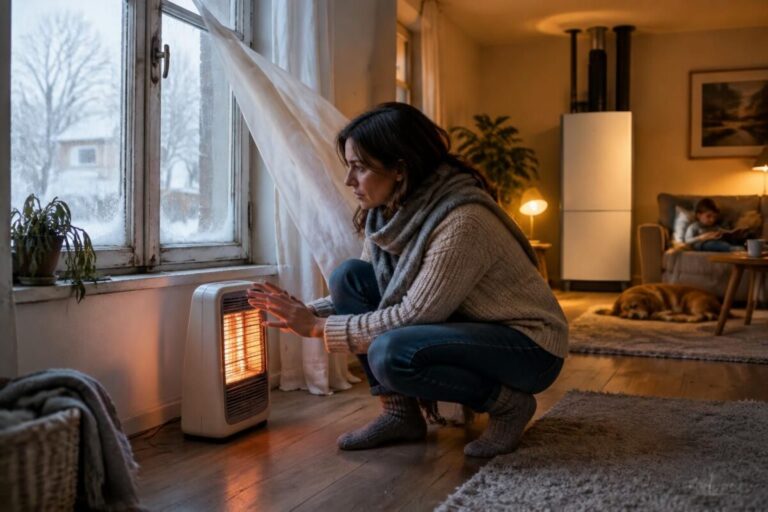
A poorly suited system can use too much energy, heat unevenly, or require frequent repairs. The real cost builds up over time: energy, maintenance, replacement, and discomfort in poorly heated rooms.
Heating often accounts for a large share of a household’s expenses, sometimes around 60 to 70%, depending on the home and how it is used. But replacing the system without addressing heat loss can be disappointing: a home that lets heat escape forces the system to work harder.
A poorly insulated roof can be responsible for a significant share of heat loss, sometimes close to 30% in some estimates. Walls matter too. Energy efficiency therefore depends on a coordinated approach: the building envelope, ventilation, heating, and settings.
An energy audit helps identify useful improvements
An energy audit identifies a home’s weak points and prioritizes potential improvements. Depending on the size and circumstances, potential savings after renovations can range from a few hundred euros to more than €1,000 per year; these are estimates, not a promise.
Since April 2023, an audit has been required before the sale of certain single-family homes or buildings under single ownership rated F or G. If you’re planning an energy renovation, this assessment can also help you avoid poorly prioritized work.
Improvements that reduce heat loss and energy bills
Thermal insulation is often a priority when heat escapes through the roof, walls, or openings. The choice of materials depends on the building, moisture levels, and budget: it’s better to address weak spots than to install insulation at random.
Ventilation needs to be considered at the same time. A better-insulated home needs suitable air circulation to remove moisture and maintain a healthy indoor environment. Poorly adjusted ventilation can lead to additional heat loss; some balanced ventilation systems recover some of the heat from outgoing air.
| Action | Possible approximate savings | What to check before deciding |
|---|---|---|
| Adjust and program the heating | About 7 to 20% in savings, depending on usage | Schedules, occupied rooms, and desired temperature |
| Insulate the attic or roof | In some homes, up to about 30% of heat loss may come from the roof | Condition of existing insulation and ventilation |
| Install a heat pump | Energy consumption may fall by about 25% in some situations | Climate, insulation, heat emitters, and installation cost |
| Replace an old appliance | Energy consumption may fall by up to about 30%, depending on the system | Sizing, fuel, and maintenance |
A heat pump or a boiler: the right choice depends on the home
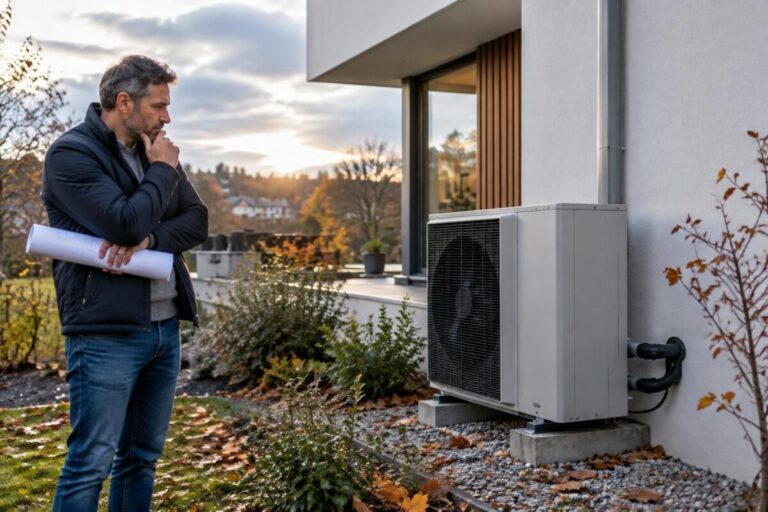
A heat pump draws heat from the air, ground, or water to heat a home. It can reduce energy consumption under the right conditions, but the upfront cost, climate, and level of insulation need to be factored into the calculation. To compare options, see the criteria for a heat pump as an energy-efficient heating system.
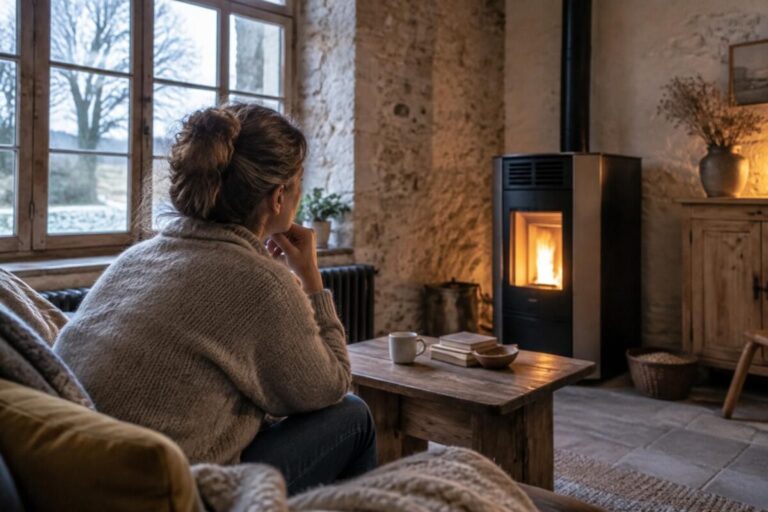
A modern boiler may also be suitable, particularly if the home already has a compatible heating network. But even a high-performance appliance won’t deliver the expected results if it is incorrectly sized. Fuel prices, household needs, and maintenance costs matter just as much as the stated efficiency.
If it’s a poorly insulated house, start by identifying and addressing the main sources of heat loss before choosing a new appliance. If it’s a well-insulated home, compare systems based on their total cost, maintenance, and compatibility with the existing radiators.
Before requesting quotes, a few simple checks can help you avoid a rushed decision. These tips before getting a heating quote can help you compare solutions on a practical basis.
The thermostat: a small adjustment that matters
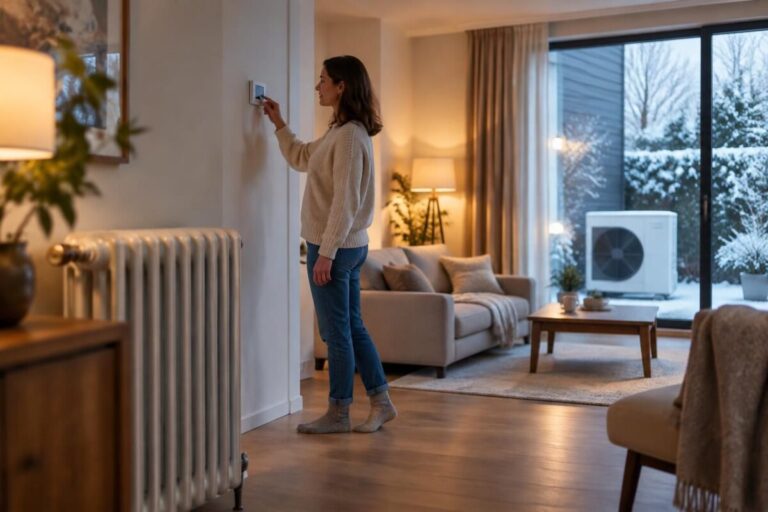
A thermostat helps you adjust the temperature according to your schedule and which rooms are occupied. Lowering the set temperature by one degree can reduce energy consumption by about 7% in many cases, but the result varies depending on the home and habits.
The often-forgotten step is simple: heating an unoccupied room as much as a living space. Program periods when you’re away and avoid repeated, sudden changes. Thermal comfort comes from a steady, suitable temperature, not from turning the radiator up to maximum.
To estimate a cost, multiply the price per kilowatt-hour by the energy actually consumed. The appliance’s power rating alone isn’t enough: how long it runs, its heating cycles, and heat loss from the home all affect the result.
Three steps to avoid a poor heating system
- Step 1: Observe your home during a cold spell. Make a note of rooms that stay cool, drafts, and times when the heating runs unnecessarily.
- Step 2: Have heat loss and the system assessed. Request an audit if the home has several weak points or you’re planning major renovations.
- Step 3: Compare solutions by their purchase, installation, energy, and maintenance costs. Have the system adjusted after installation, then track consumption over a season.
This approach helps you avoid confusing a cheaper appliance with genuinely economical heating. The right choice is the one that meets the building’s needs and remains efficient over time.
Frequently asked questions about heating savings
What temperature should I set to reduce energy consumption?
Lowering the temperature by one degree can reduce energy consumption by about 7% in many cases. However, adjust the temperature to how the rooms are used and to your comfort.
Should I replace the heating system before insulating?
Not necessarily. If the home loses a lot of heat, addressing the main sources of heat loss can help you size the future system more accurately and avoid unnecessary expense.
Is a heat pump always the most economical choice?
No. Its benefits depend in particular on insulation, climate, energy prices, heat emitters, and installation costs. Compare the total cost for your specific situation.
How can I estimate the cost of electric heating?
Multiply the price per kilowatt-hour by the consumption recorded on the meter or shown by reliable monitoring. A radiator’s rated power alone does not reveal its actual energy consumption.
Thanks for staying with me until now; Benjamin