Energy savings: this old heating system is still costing you a fortune
Hi there, it’s Benjamin.
To reduce your heating bill, start by checking the insulation and controls, then replace your old heating system if it uses too much energy for the comfort it provides.
An old appliance does not necessarily need to be replaced urgently, but some systems heat poorly and are expensive to run. A few simple checks can reveal where the energy is going and which renovation work will really pay off.
Things to do right away
- Track your energy use over several weeks and compare it with your comfort level.
- Set the thermostat to around 19 °C in occupied rooms, adjusting it to suit your needs.
- Maintain the appliance: dust the radiators and have the boiler checked according to the manufacturer’s recommendations.
- Limit heat loss by fitting seals around the windows and closing the shutters at night.
- Compare the options before replacing your heating system, taking insulation and installation costs into account.
To compare solutions, see this guide to choosing a more economical heating system and this comparison of wood, heat pumps, and electric heating.
The old-heating-system trap: paying more without gaining comfort
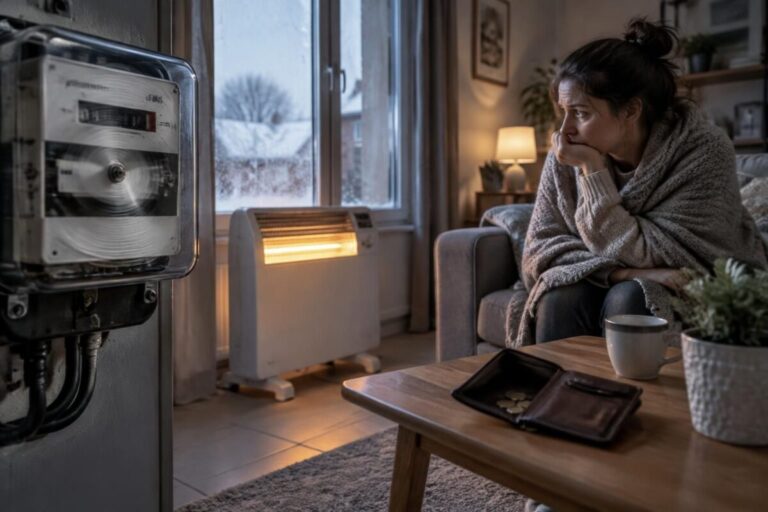
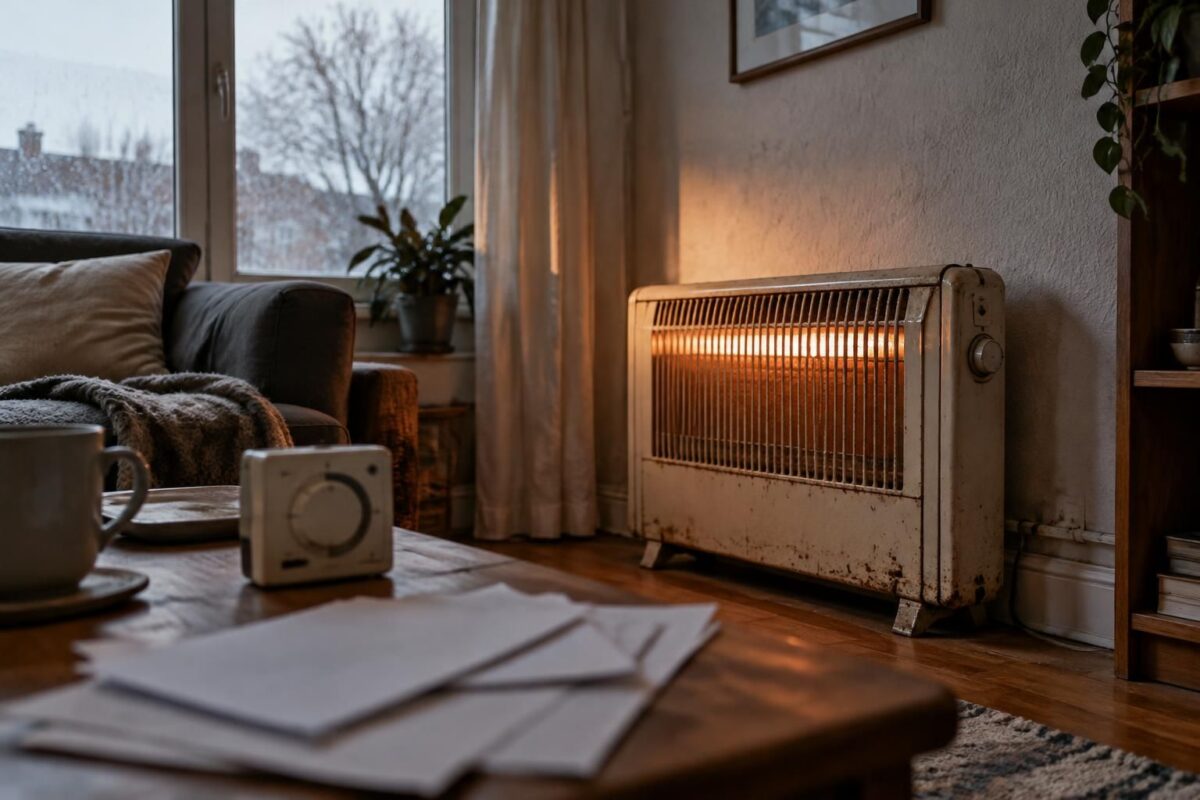
An energy-hungry heating system can turn poor insulation into recurring expenses. Old, poorly controlled radiators, a poorly maintained boiler, or an oversized system can drive up energy consumption, especially if heat escapes through the walls, roof, or windows.
A common trap is replacing the appliance before addressing heat loss. A high-performance heat pump cannot compensate on its own for a very poorly insulated home: the right order depends on the property, its climate, and the existing system.
If the appliance isn’t heating well, check its condition before deciding
If some rooms remain cold even when the heating is set high, have the controls, system balancing, and maintenance checked. For a boiler, a professional can assess its efficiency and identify a fault or incorrect setting.
If the appliance is working properly but uses a lot of energy, look first at the thermal insulation and heating habits. A diagnosis can help you avoid paying for new equipment when the main problem lies elsewhere.
Which economical heating system should you choose?
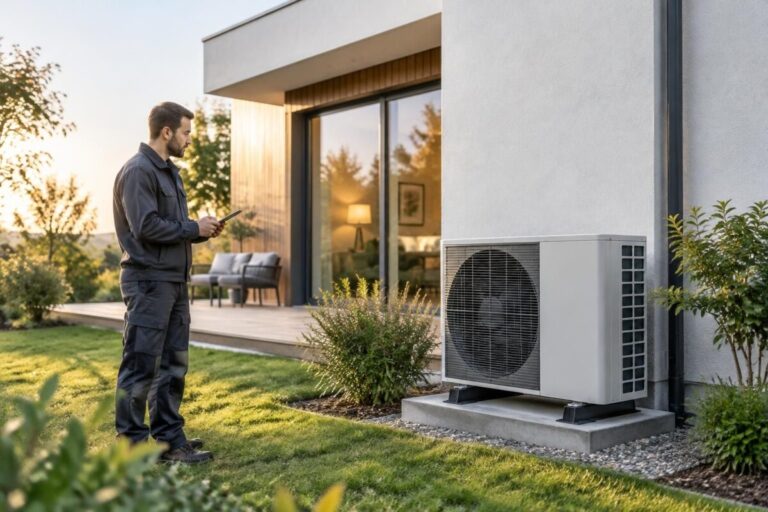
The best choice is not the same for a well-insulated house and a home that loses heat quickly. A heat pump can be a good option in a suitable home, while a modern, well-controlled electric heater may work well in a small, seldom-used room.
| Option | What to consider | Point to watch |
|---|---|---|
| Heat pump | Insulation, climate, and existing heat emitters | Installation cost and sizing |
| Modern boiler | Condition of the heating system and available fuel | Maintenance and fuel costs |
| Modern electric radiators | Small spaces and rooms used occasionally | Electricity costs and insulation quality |
| Wood-burning or pellet stove | Home layout and storage | Maintenance, fuel supply, and heat distribution |
Example: in a house where the bedrooms are cold and the living room is overheated, replacing all the appliances is not necessarily the priority. Better controls, window seals, and attic insulation may already improve comfort and reduce heating needs.
Plan an effective energy renovation in three steps
Before replacing your heating system, follow these steps in order. This approach helps limit unnecessary expenses and choose equipment suited to your home.
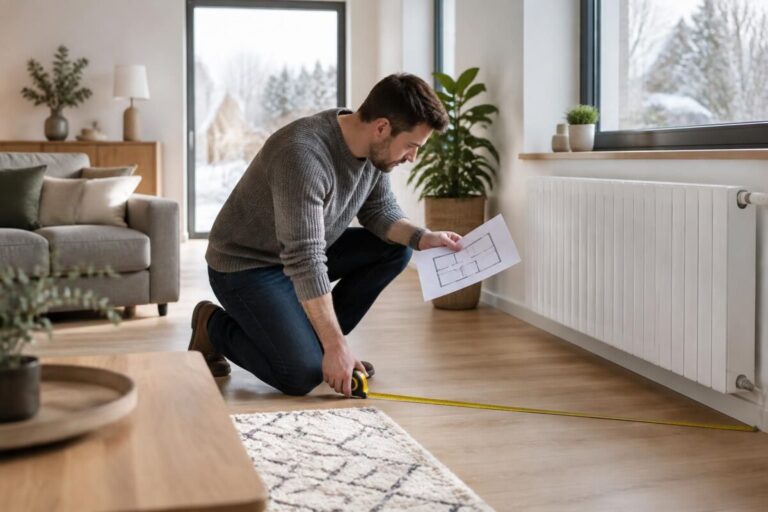
- Identify heat loss and usage. Note which rooms are cold, when you use the heating, and what your bills are. An energy audit or assessment can help identify priority improvements.
- Reduce your heating needs. Address air leaks and consider thermal insulation work before sizing the new appliance.
- Compare quotes and available incentives. Request several detailed proposals, check what renovation incentives are available, and make sure the contractor is qualified for the work involved.
The calculation goes beyond the purchase price: also compare installation, maintenance, energy use, and expected lifespan. The system that costs the least to install is not always the one that costs the least over several years.
Practical questions about replacing an old heating system
How can I tell if my old heating system uses too much energy?
Compare your bills and energy use at a similar comfort level, then have the appliance and its controls checked. An increase may also be due to poor insulation or a change in usage.
Should I insulate before replacing my heating system?
It is often useful to address the main sources of heat loss first. Insulation reduces heating needs and makes it possible to choose a better-sized appliance, but priorities depend on the condition of the home.
Which economical heating system should I choose?
The choice depends on the floor area, insulation, climate, available energy sources, and the cost of the work. Compare several options using detailed quotes rather than relying solely on the purchase price.
Are there renovation incentives for replacing a heating system?
Incentives may be available depending on the work, the home, and the household’s circumstances. Check the criteria and application process with official organizations before signing a quote.
Thanks for reading! If this topic resonates with you, share your experience in the comments. — Benjamin