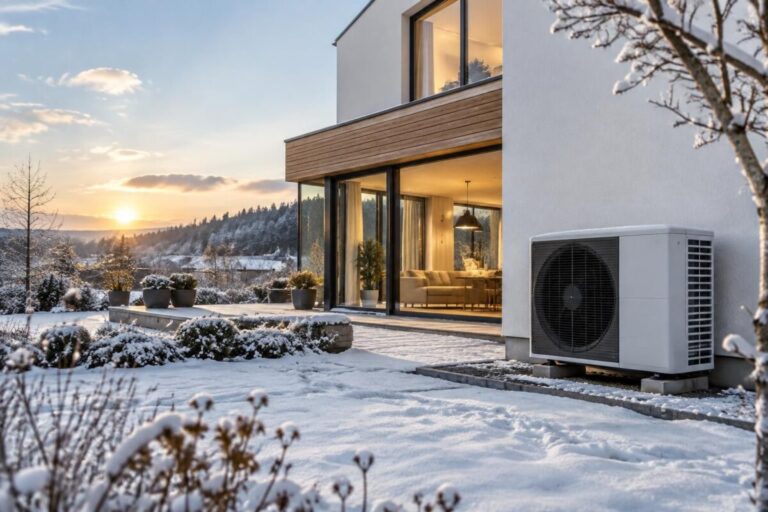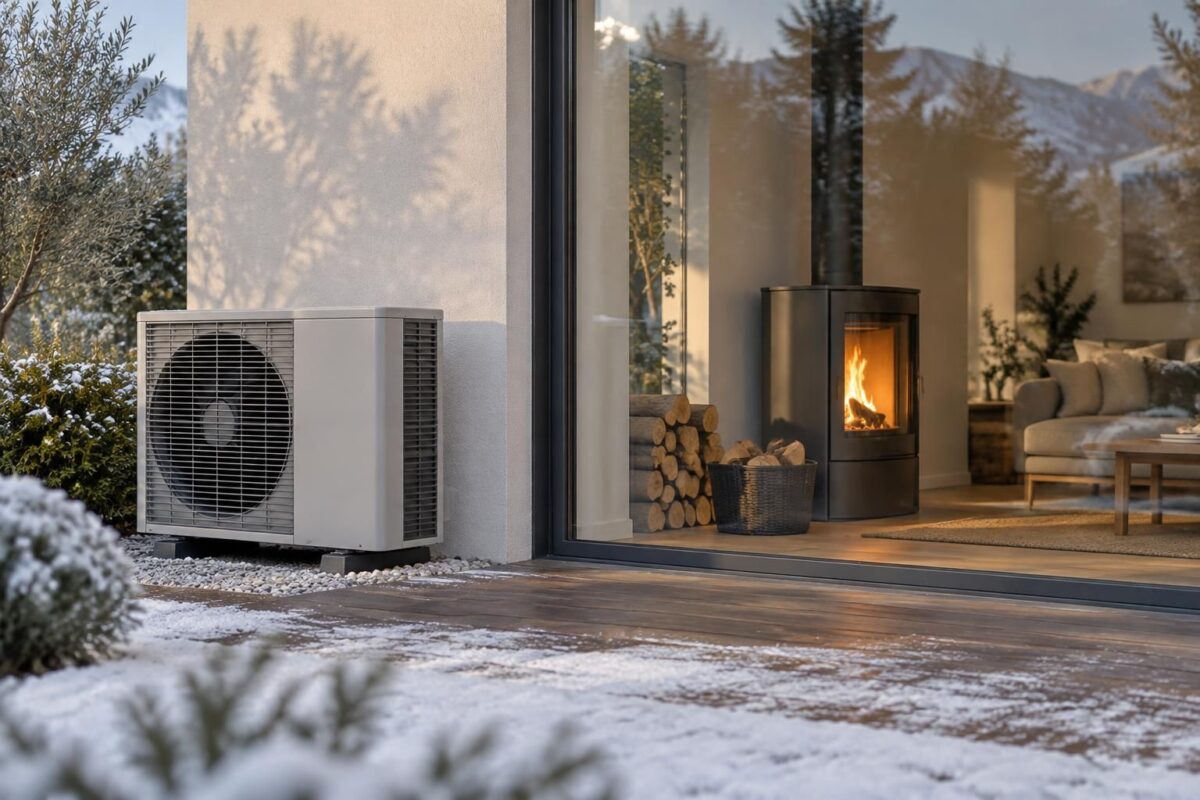
Heat pump: how does it compare with wood?
Hello, Benjamin here.
Compared with wood, a heat pump can offer competitive heating costs and be easier to use, especially in a well-insulated home.
But the best choice depends on your insulation, access to wood, and local energy prices.
Here are the practical criteria for comparing the two options without relying solely on promises of savings.
Good habits to adopt
- Assess your home’s needs: record your heating consumption over a full year.
- Check the insulation: the roof, walls, and windows directly affect energy performance.
- Compare annual costs: include energy, maintenance, and any necessary equipment.
- Specify the type of wood: logs and pellets have different prices and requirements.
- Get several quotes: have the system sizing and installation conditions checked.
For a more in-depth comparison, you can read our article on heat pumps or eco-friendly wood heating, as well as this overview of homes where a heat pump is cost-effective.
Heat pump or wood heating: a simple comparison
A heat pump draws heat from the air, ground, or water, then transfers it into the home. Depending on the equipment, climate, and required heating temperature, it can deliver several kilowatt-hours of heat for each kilowatt-hour of electricity consumed.
Wood heating converts the combustion of logs or pellets directly into heat. It can be economical if firewood is available at a good price and stored properly, but it requires handling and regular maintenance.
For a useful energy comparison, don’t look only at the advertised price per kilowatt-hour. The amount of heat actually produced, maintenance costs, and household habits all affect the result.
| Criterion | Heat pump | Wood heating |
|---|---|---|
| Daily use | Automatic, with temperature controls | More frequent loading and monitoring for logs |
| Heating costs | Depend on electricity prices, efficiency, and insulation | Depend on wood prices, appliance efficiency, and storage |
| Maintenance | Inspections and maintenance depending on the equipment | Regular cleaning and chimney sweeping |
| Considerations | Possible outdoor unit, noise, and performance in cold weather to consider | Storage space, handling, and particulate emissions |
| Environmental impact | Linked in particular to the electricity used and the refrigerant | Linked to the source of the wood, combustion, and the appliance |
In a well-insulated home with low-temperature radiators, a heat pump can maintain steady warmth with little intervention. In a rural home with storage space and a local supply, an efficient log-burning stove can reduce bills, especially when used as supplementary heating.
Nadia’s situation illustrates this difference well: her renovated home and busy schedule make an automated solution a good fit. Her neighbor, who heats with local wood and enjoys tending the stove, is happy to take on the storage and handling to keep costs under control.
Energy savings and eco-friendly heating: the criteria that tip the balance
A heat pump is particularly worthwhile when the home limits heat loss and operates at a moderate water temperature. A poorly sized unit or one installed in a very energy-intensive home may use more energy than expected and reduce the anticipated energy savings.
Wood can be a renewable energy source when it is sustainably managed. However, burning wood releases particulates: a well-maintained, modern appliance and dry fuel are essential to reduce local pollution.
Eco-friendly heating is therefore about more than choosing an energy source. It also depends on insulation, installation quality, the source of the fuel, and how the system is used.
The advertised-price trap
Comparing the price of a bag of pellets with the price per kilowatt-hour of electricity isn’t enough. You need to consider the heat actually delivered to the rooms, efficiency losses, maintenance, and, for wood, the time required for handling.
Another often-overlooked point: a heat pump may become less efficient when outdoor temperatures drop, while wood heating depends on the fuel quality and the appliance’s efficiency. The right calculation always starts with the home’s actual needs.
Choosing between a heat pump and wood in three steps
- Reduce your heating needs: assess the insulation and heat loss before replacing the heating system. A suitable renovation can improve the energy performance of both options.
- Compare annual scenarios: ask for estimates that include the investment, energy, maintenance, and duration of use. Check the assumptions behind each quote, particularly the expected heating temperature.
- Choose according to your daily routine: opt for automation if you want to minimize handling; consider wood if you have a reliable supply, storage space, and are willing to tend the fire.
This approach helps you avoid choosing a technology based on its reputation alone. The most suitable system is the one that fits the building, the budget, and the occupants’ habits.
Frequently asked questions about heat pumps versus wood heating
Does a heat pump always cost less than wood heating?
No. The cost depends on local electricity and wood prices, system efficiency, insulation, and maintenance. Compare annual expenses using realistic consumption estimates.
Is wood heating always more eco-friendly?
Not automatically. The environmental impact depends on the source of the wood, its moisture content, the appliance’s efficiency, and particulate emissions. Efficient equipment and dry wood help limit the negative effects.
Can you combine a heat pump and wood heating?
Yes, a stove can supplement a heat pump during very cold spells or in a living area. However, you need to check the system sizing and ensure the controls work well together.
Which option requires the least handling?
A heat pump generally operates automatically. Log heating requires more storage, loading, and cleaning; pellets automate some of these tasks.
I hope you found these tips helpful. See you soon! — Benjamin