Eco-friendly heating: which system is worth it in 2026?
Hello, Benjamin here. In 2026, for a well-insulated home, an air-to-water heat pump often offers the best balance between running costs, comfort and available incentives. But a cost-effective heating system also depends on your home, its insulation and the installation cost. Here are some guidelines to help you compare the options without relying solely on the purchase price.
Good habits to adopt
- Have the insulation checked before replacing your equipment.
- Compare the installation cost and annual expenses, not just the initial quote.
- Ask for the heat pump’s SCOP, which is more representative than the COP alone.
- Check which heating incentives apply to your project and income.
- Have a qualified professional confirm the sizing and any constraints.
An older house, an apartment and a small house do not have the same needs: the best option is the one that suits the home’s actual layout. To refine your choice, also see our guide to heating suited to a small house and this comparison of heating systems for different rooms.
Heating system comparison in 2026
For a home of around 100 m², a correctly sized air-to-water heat pump can cost €600 to €1,800 per year to run, depending on the climate, insulation and household habits. These figures are estimates; they do not replace an assessment based on the characteristics of the home.
The table compares installation budgets with indicative annual costs. Prices vary depending on capacity, additional work and region.
| System | Indicative installation cost | Indicative annual cost | Key points |
|---|---|---|---|
| Air-to-water heat pump | €10,000 to €20,000 | €600 to €1,800 | Suitable for a home with central heating |
| Air-to-air heat pump | €5,000 to €15,000 | €500 to €1,500 | Heating and cooling, but no domestic hot water |
| Wood-burning stove | €1,500 to €5,000 | €500 to €1,500 | Fuel is often affordable; storage space is needed |
| Pellet stove | €3,000 to €7,000 | €700 to €1,500 | Convenient controls, regular maintenance required |
| Pellet boiler | €12,000 to €25,000 | €1,000 to €2,500 | Wood-fired central heating; storage space must be allowed for |
| Electric radiators | €500 to €2,000 | €1,500 to €4,000 | Simple installation; bills are sensitive to insulation and electricity rates |
| Condensing gas boiler | €3,000 to €8,000 | €800 to €2,000 | Worth considering mainly if the home is already connected to the gas network |
Cost-effective wood heating can be a good option if fuel is sourced locally and you have a dry space to store it. A pellet boiler supplies a network of radiators, while a stove mainly heats the room it is in, so these are not interchangeable solutions.
Heat pumps in 2026: when the investment pays off
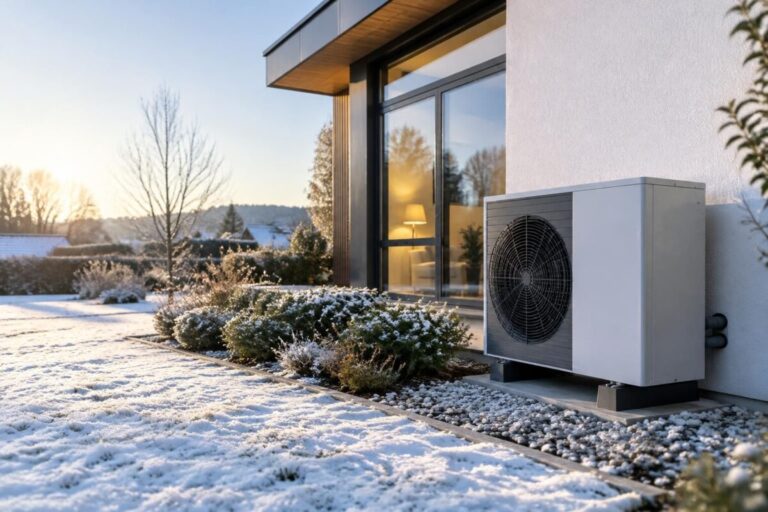
A heat pump captures heat from the outside air to warm the home. With a COP of 3 to 4 in suitable conditions, it delivers several kilowatt-hours of heat for each kilowatt-hour of electricity used; however, its actual performance drops in very cold weather or if the system is poorly adjusted.
An air-to-water heat pump is often suitable for a home with a hydronic heating circuit. An air-to-air heat pump may better meet the needs of an apartment or a home without central heating, provided you check the condominium rules and the location of the outdoor units.
For example, in a house built in the 1930s, damp walls or poorly insulated attic space can reduce the benefits of a highly efficient system. A thermal assessment before choosing can help you avoid an oversized heat pump or a bill that remains high.
Wood, gas and electricity: choices shaped by your home
A pellet stove can heat a medium-sized home efficiently if the rooms are well connected. It requires space to store the bags and regular maintenance; a pellet boiler is better suited to central heating, but its initial investment is significantly higher.
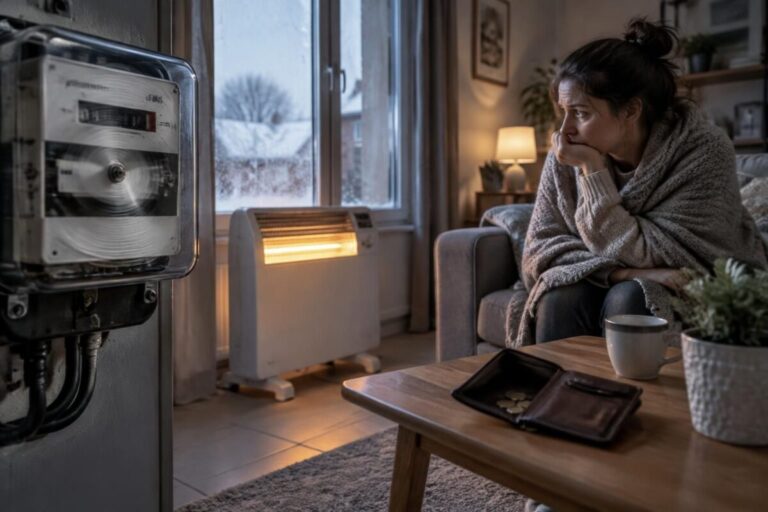
Low-consumption electric radiators are easy to install and can work well in a small, well-insulated home or as supplementary heating. A low purchase price does not guarantee economical heating in 2026: in a large, poorly insulated home, electricity costs can rise quickly.
A condensing gas boiler is still an option when a home is already connected to the gas network and another solution would be difficult to install. Public incentives for installation have changed, and gas remains subject to price fluctuations: compare costs over several years before deciding.
For new buildings, RE 2020 encourages energy-efficient choices and limits the appeal of fossil-fuel equipment. In renovation projects, the goal is to pair energy-efficient heating with a high-performance building envelope, rather than replacing only the boiler.
Heating incentives: check the rules before signing
Incentive schemes can reduce the investment cost, but their conditions and amounts change over time. In 2026, the rules for MaPrimeRénov’ grants for individual measures were tightened from September 1: air-to-water and geothermal heat pumps are among the upgrades that continue to receive support, while other equipment may fall under a comprehensive renovation pathway.
CEE energy-saving certificates and the zero-interest eco-loan may also help finance the project, depending on the project and the current eligibility criteria. Ask for up-to-date confirmation before signing, and check whether the contractor holds the RGE qualification required for the incentives you are seeking.
- The total project cost, including adapting the heating circuit and electrical work.
- Estimated energy consumption after installation, based on the home’s actual insulation.
- Maintenance costs, parts replacement and expected service life.
- Storage, noise, space or condominium constraints.
- The exact terms of the incentives and application deadlines.
Three steps to choosing a cost-effective heating system
- Assess your home. Identify heat loss, the condition of the attic and walls, the area to be heated and the existing system.
- Compare several options. Get at least two detailed quotes and compare installation costs, energy consumption and maintenance.
- Check financing and system settings. Confirm the incentives before work begins, then have the system adjusted and schedule its maintenance.
This approach helps you avoid the classic trap of choosing a unit solely because its quote looks low. The greatest savings come from combining correct sizing, insulation and appropriate settings.
Which heating system should you choose for your situation?
For a well-insulated home with radiators or underfloor heating, an air-to-water heat pump is often a solid choice. In a compact apartment, an air-to-air heat pump or high-performance radiators may be simpler, while a wood-burning or pellet stove depends greatly on the layout of the rooms.
If the insulation is poor, start by reducing heat loss or plan insulation work alongside the heating system replacement. This helps reduce demand, choose the right capacity and enjoy lasting comfort.
Which system is cheapest to run in 2026?
In a properly insulated home, an air-to-water heat pump is often economical to run. However, the results depend on the climate, electricity rates, sizing and settings.
Should you insulate before changing your heating system?
It is generally preferable, because better insulation reduces heating needs and makes it possible to size the equipment more precisely. For some projects, insulation and heating work can be planned together.
Is wood heating a good option?
It can be if fuel is accessible, storage is possible and maintenance is taken care of. A stove mainly heats the room it is in, while a pellet boiler can supply a central heating circuit.
What should you compare when choosing a heat pump?
Look at the SCOP, the capacity suited to the home, noise level, operating temperatures and maintenance costs. Also have the system’s compatibility with existing radiators checked.
Thanks for reading! Feel free to share your thoughts in the comments. — Benjamin