Heat pump: cost-effective if your house is old
Hello everyone, it’s Benjamin. A heat pump can be cost-effective in an older home if its performance, the radiators and the project cost match the home’s actual needs. The year it was built is not enough to make a decision. First, have the heat losses and required water temperature assessed, identify priority work, and then compare costs over time.
WHAT TO DO FIRST
- Have a full thermal assessment of your home to identify heat loss.
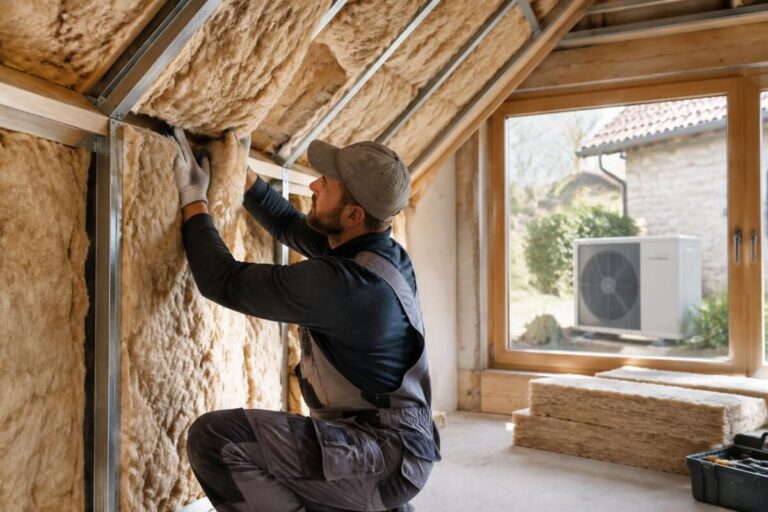
- Prioritize insulating the attic, walls and windows to limit heat loss.
- Choose a heat pump suited to your existing heating system (air-to-water or air-to-air).
- Compare several quotes from certified installers to ensure the heat pump is correctly sized.
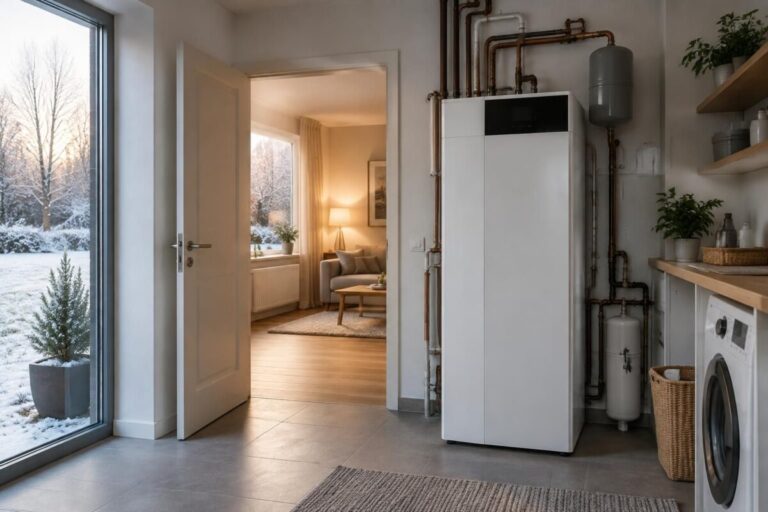
- Include domestic hot water in the project to maximize savings.
Older home: do you have to insulate everything before installing a heat pump?
A poorly insulated home needs more heat, but that does not automatically mean the heat pump will perform poorly. In its campaign on the actual performance of heat pumps, ADEME highlights in particular the importance of radiators and water temperature. Improving insulation reduces heating needs and the required system size; therefore, develop a plan that aligns with the work you intend to carry out.
How do you choose a heat pump to maximize cost-effectiveness?
If you have a water-based central heating system, an air-to-water heat pump is worth considering. Ask the professional whether each radiator can provide enough heat at the planned temperature in cold weather. Large, older radiators may be suitable; their age alone is not a reason to replace them. If there is no hydronic network, an air-to-air heat pump avoids having to install one, but it does not produce domestic hot water. Compare the SCOP under relevant conditions, not just a COP measured under favorable conditions.
- Step 1: Carry out a thorough thermal assessment to evaluate energy needs.
- Step 2: Choose a heat pump based on your installation and heating system.
- Step 3: Have it installed by a certified professional, then maintain the heat pump regularly.
How much does a heat pump cost in an older home?
Avoid estimates based solely on a price per square meter: two 120 m² homes can have very different heat losses and require very different work. Ask for a quote after an on-site visit, including an assessment of needs, electrical and plumbing adaptations, commissioning and maintenance. The ENGIE guide to heat pumps in older homes can help you prepare questions to ask; for financial assistance, check the official requirements before starting work.
| Existing setup | Option to consider | Checks required | Costs to include in the estimate |
|---|---|---|---|
| Water radiators or underfloor heating | Air-to-water heat pump | Heat output of the emitters at the planned water temperature | Connection, balancing, possible radiator adaptations |
| Electric convectors with no water circuit | Air-to-air heat pump | Air distribution and comfort in every room | Indoor units, connections, electrical work and separate hot water system |
| Boiler retained as a backup | Hybrid system | Changeover rules and whether both energy sources make sense | Controls, two maintenance plans and ongoing subscriptions |
Installing a heat pump in an old home: tips for success
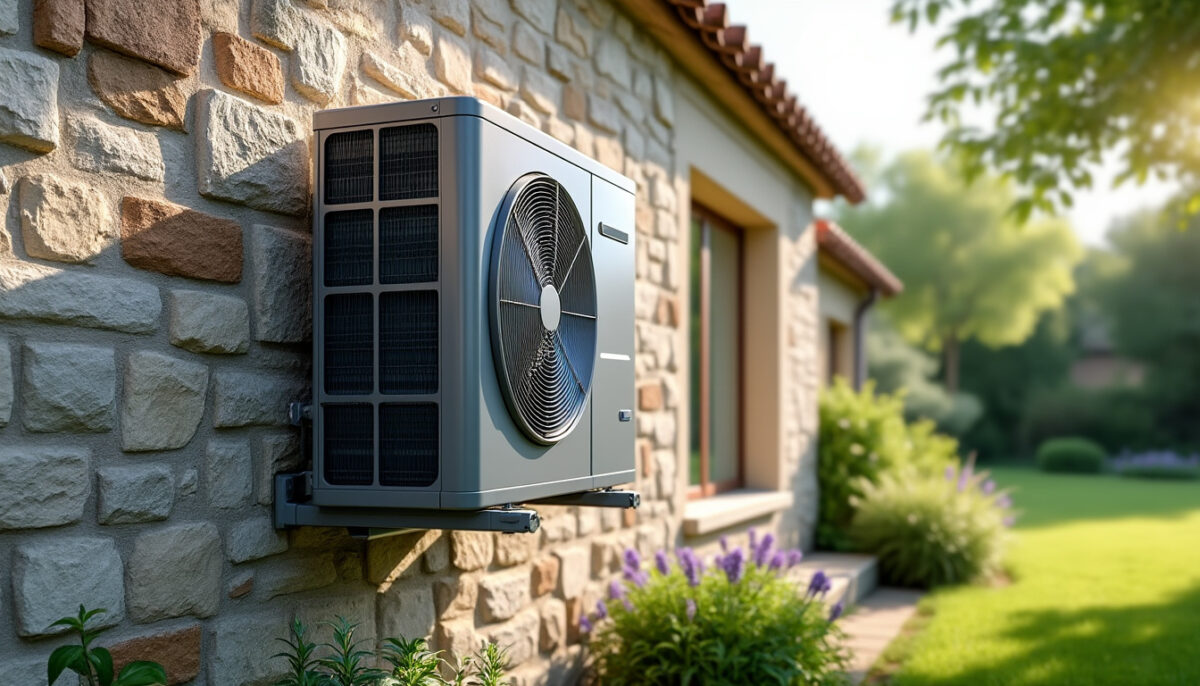
Ask where the outdoor unit will be placed and how noise, vibration and condensate will be handled. Have the available heating capacity at the design outdoor temperature and the role of the backup system clearly specified. Cooling is only possible with a compatible unit and heat emitters: do not circulate cold water through ordinary radiators without an assessment, as condensation can damage the building.
Practical examples
If insulation work is planned, have the system sized for the home’s post-renovation condition and plan the stages of work. If the home has already been renovated, lower heating needs do not make the investment instantly cost-effective: you still need to compare the out-of-pocket cost with the annual savings. If the boiler is relatively new, also compare keeping the existing system temporarily with replacing it straight away, without counting twice the cost of a boiler that did not need replacing.
Financial assistance to make your heat pump even more cost-effective
Financial assistance depends on the type of heat pump, the home, the household and the renovation pathway. It is neither automatic nor freely stackable in every case. Check your application with France Rénov’ before work begins, then distinguish between the gross quote, confirmed assistance and the remaining amount to finance. The IZI by EDF guide to older homes also provides examples of setups to consider.
Is a heat pump suitable for every older home?
Not automatically: check heat loss, radiators, water temperature, placement and budget. Partial insulation does not rule out good performance, but higher heating needs increase the amount of energy the system must provide.
Which type of heat pump should you choose for an older home?
An air-to-water heat pump can use the existing hydronic network if the radiators are suitable. If there is no water circuit, consider an air-to-air heat pump. The choice should be based on an assessment of the home and how it is used.
Can a heat pump be used for domestic hot water?
Yes, some heat pumps can be connected to a hot water tank to provide domestic hot water as well.
What are the main disadvantages of a heat pump in an old home?
It may not fully meet heating needs in very cold weather, in which case supplementary heating will be needed.
What financial assistance is available?
MaPrimeRénov’, CEE energy-saving certificates, the éco-PTZ zero-interest loan or a reduced VAT rate may apply, depending on the project. Have France Rénov’ check the requirements and whether the assistance can be combined before starting work.
Thanks for staying with me until the end; Benjamin