Eco-friendly heating: wood, heat pump or discreet electric heating
Hello, this is Benjamin.
For a well-insulated home, a heat pump often offers the best balance between energy savings and comfort; wood is a good option if you have space to store it, while unobtrusive electric heating is still a practical choice as a backup or in a small room.
The right choice depends mainly on insulation, installation costs, and the energy sources available near you. Comparing purchase prices alone is not enough: you also need to consider maintenance, energy consumption, and the day-to-day comfort of the heat.
Good habits to adopt
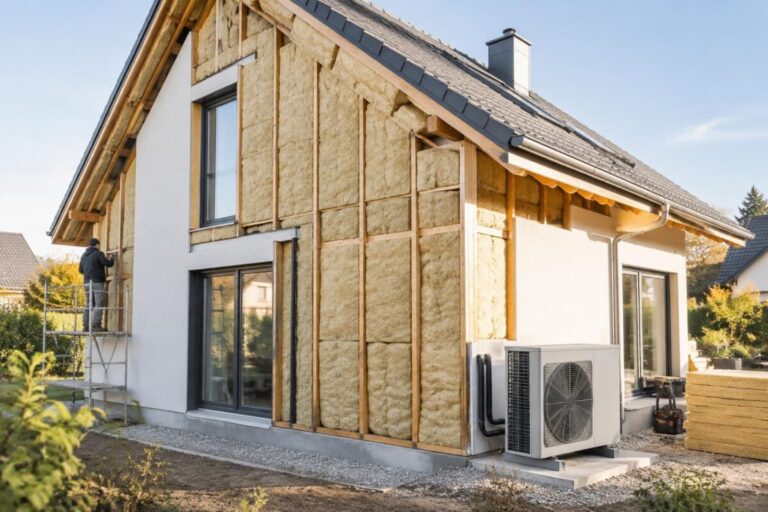
- Check the insulation before replacing your system: reducing heat loss limits the amount of heating capacity you need.
- Compare the overall cost: installation, maintenance, and energy consumed over several years.
- Assess the space available for the appliance and, if you choose wood, for dry storage.
- Choose equipment suited to the floor area and the existing heat emitters.
- Get several quotes and check what financial assistance is available before signing.
An efficient system cannot always make up for a home that lets heat escape. To avoid unnecessary expenses, also check out these tips on common mistakes with energy-efficient heating and this comparison of heating systems worth considering.
Wood, heat pump, or electric heating: a useful comparison
These options meet different needs. A heat pump draws heat from the air or ground, wood heating turns a renewable fuel into heat, and electric radiators heat the rooms where they are installed.
| System | Main advantage | What to plan for | Suitable use |
|---|---|---|---|
| Heat pump | Low electricity consumption when the system is properly sized | Initial cost, level of insulation, and compatibility with radiators | Main heating system for a suitable home |
| Wood heating | Renewable energy and attractive running costs if fuel is readily available | Storage, handling, chimney sweeping, and appliance quality | Home with storage space and a local fuel supply |
| Unobtrusive electric heating | Simple installation, room-by-room controls, and little maintenance | Potentially high bills if used as the main heating system | Small area, well-insulated home, or supplemental heating |
Heat pumps are efficient when the home is suitable
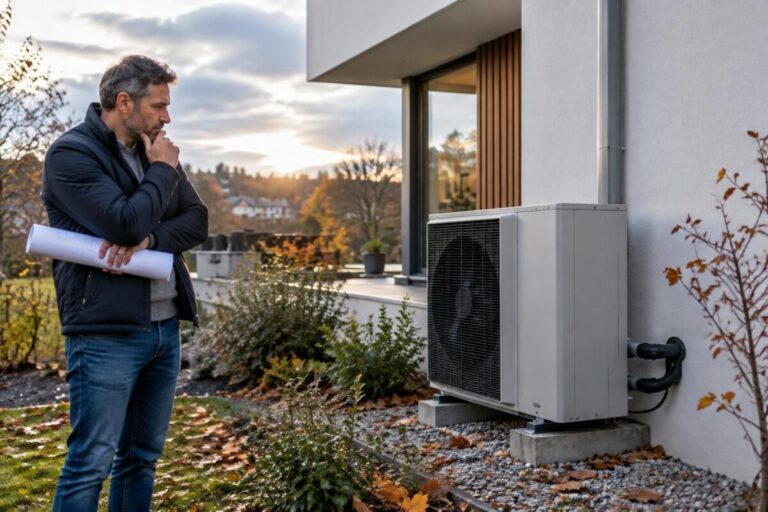
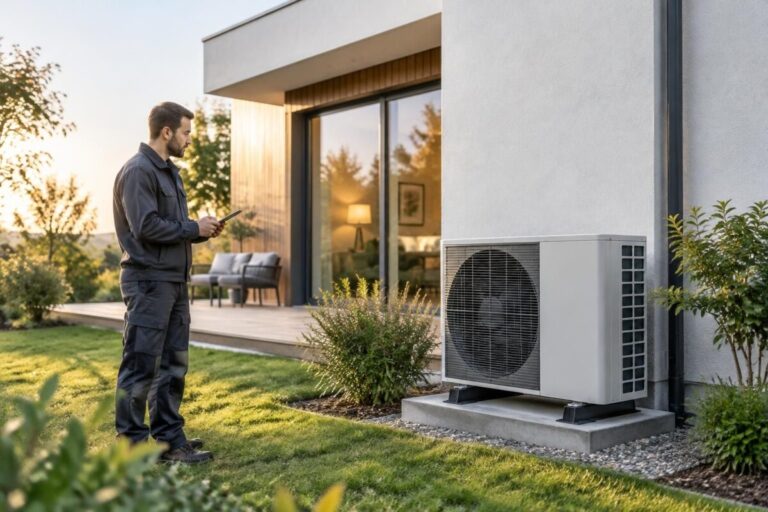
A heat pump can provide several units of heat for each unit of electricity it consumes. Its actual efficiency varies depending on the model, outdoor temperature, settings, and insulation; a well-designed installation can therefore reduce energy consumption, but an improperly sized heat pump may disappoint.
In a properly insulated home with compatible radiators, it can provide the main heating system while maintaining good thermal comfort. Before choosing one, ask for a heat-loss calculation: this helps you avoid an oversized unit, which costs more and can sometimes be less efficient.
Wood is an appealing option if you are well organized
A modern wood stove or boiler can provide economical heating, especially if dry wood is available at a reasonable price. High-performance appliances often have a high efficiency rating, but the results depend on the fuel, installation, and regular maintenance.
Wood heating also requires some practical planning: ventilated storage space, fuel deliveries, and chimney sweeping. To limit particulate emissions and help reduce emissions over the entire lifecycle, choose a recent model and fuel from sustainably managed forests.
Unobtrusive electric heating is practical in small spaces
A modern energy-efficient radiator is easy to program and heats the room without a flue or storage space. It can be a simple solution for a bedroom, office, or small, well-insulated home; however, using it as the main heating system in a poorly insulated home can lead to high bills.
The term “energy-efficient” does not, by itself, guarantee a significant reduction in costs: an electric radiator converts almost all the electricity it consumes into heat, but the cost of that energy and heat loss from the home also matter. Precise controls and an appropriate temperature therefore make a real difference.
Which eco-friendly heating system is right for your home?
Imagine a 100 m² home on the outskirts of town, with storage space and decent insulation. If wood is readily available, a stove can supplement the existing heating system; if the home has compatible heat emitters and the budget allows, a heat pump could become the main heating system.
In a well-insulated apartment where installing a flue or heat pump is difficult, unobtrusive electric heating may be suitable. Eco-friendly heating is therefore not about a single energy source: it depends on the right fit between the system, the home, and the household’s habits.
Solar thermal and geothermal energy may also be options for some projects. Solar thermal can meet part of your needs and generally requires a backup system, while geothermal energy can provide steady heat but requires suitable groundwork and land.
Three steps to choosing the right system
- Reduce your heating needs. Look for drafts, improve insulation if necessary, and adjust your existing equipment properly.
- Compare compatible options. Weigh up the investment, maintenance, fuel, energy consumption, and hot water production.
- Get the project checked. Ask a professional to size the system and check what financial assistance is available from a France Rénov’ advisor before signing the quote.
This approach helps you avoid choosing an appliance based solely on promises of savings. The best system is the one that keeps your home warm without excessive costs and fits into your home for the long term.
Frequently asked questions about economical heating
Which heating system is the most economical to run?
A heat pump can be very economical when it is properly sized and installed in a suitable home. Wood can also offer attractive running costs if the fuel is readily available and stored correctly.
Is wood heating always eco-friendly?
No. Its environmental impact depends on where the wood comes from, its moisture content, the appliance’s performance, and its maintenance. A recent appliance and dry wood from sustainably managed forests are preferable.
Is an energy-efficient radiator enough to heat a home?
It may be suitable in a well-insulated home or as targeted supplemental heating. In an energy-inefficient home, it may consume a lot if it has to provide all the main heating.
Should you insulate before installing a heat pump?
This is often preferable. Better insulation reduces heating needs and helps you choose a less powerful, better-suited heat pump that may cost less to run.
Thanks for reading! If this topic resonates with you, please feel free to leave me a comment at the bottom of the article. — Benjamin