Which Eco-Friendly Heating System for Your Home Without Regrets
Hello everyone, it’s Benjamin. The most commonly balanced choice is a properly sized heat pump in a well-insulated home; wood heating can be more economical if you have a flue and a reliable supply. The right system depends mainly on your home, your climate, and your available budget. Before replacing the equipment, check the insulation: it can reduce your heating needs and prevent you from paying for an oversized system.
DO THIS FIRST
- Identify cold rooms and drafts, then check the condition of the windows and attic.
- Ask for an estimate of heat loss before choosing a system.
- Compare the purchase price, installation, maintenance, and fuel costs.
- Check the local availability of firewood or pellets, as well as storage space.
- Check the current incentives and eligibility requirements before signing a quote.
Which eco-friendly heating system should you choose for your home without regrets?
Eco-friendly heating is not a miracle solution. It needs to meet your home’s actual needs while limiting energy use and emissions from its operation.
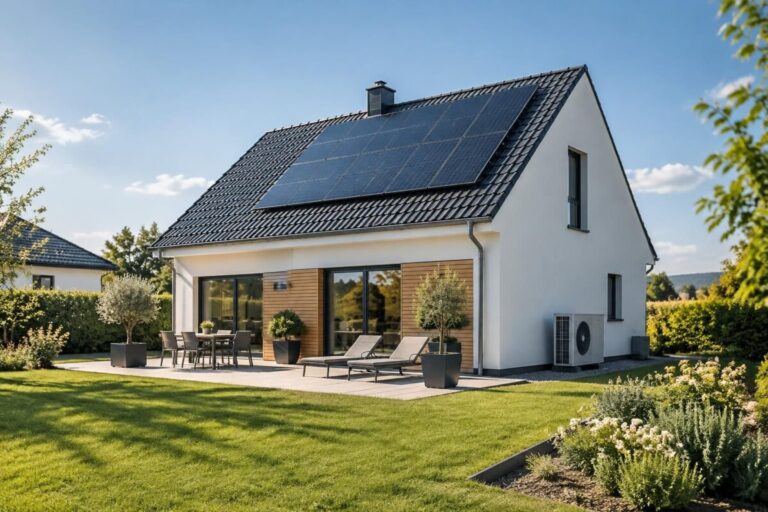
In a well-insulated home, an air-to-water heat pump is often suitable if the distribution system is compatible. An efficient wood stove or pellet boiler can be a good option if wood is available near you and you have room to store it. Solar thermal heating generally supplements another heating system rather than replacing it entirely.
To compare options, consider their efficiency, as well as thermal comfort, maintenance, and heating costs over several years. Actual performance varies depending on the model, installation, climate, and usage.
Compare economical heating systems based on your home
The figures below are general guidelines, not a promise of results. A poorly adjusted or oversized system can be costly, even if the equipment is new.
| Option | Main advantage | What to check before choosing |
|---|---|---|
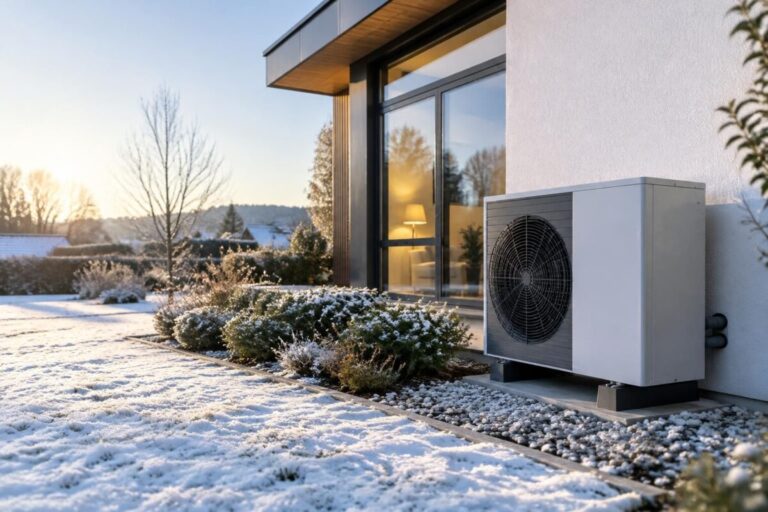
| Air-to-water heat pump | Harnesses heat from the air and often supplies a central heating system | Its efficiency drops in very cold weather; check compatibility with existing heat emitters |
| Geothermal heat pump | Often provides consistent performance, depending on the setup | Site assessment, drilling or ground-loop installation, and higher upfront investment |
| Log or pellet stove | Comfortable heat and sometimes locally affordable fuel | Storage, maintenance, fuel quality, and smoke exhaust |
| Pellet boiler | Can provide central heating for a home | Space for the unit and hopper, regular maintenance, and pellet deliveries |
| Solar thermal heating | Uses a renewable resource and can reduce the need for supplementary heating | Output varies by season; a supplementary system is generally needed |
| Low-consumption electric radiators | Easy to install in some renovation projects | They still use electricity: running costs depend on the rate and the home’s insulation |
Heat pump: a choice often suited to renovation
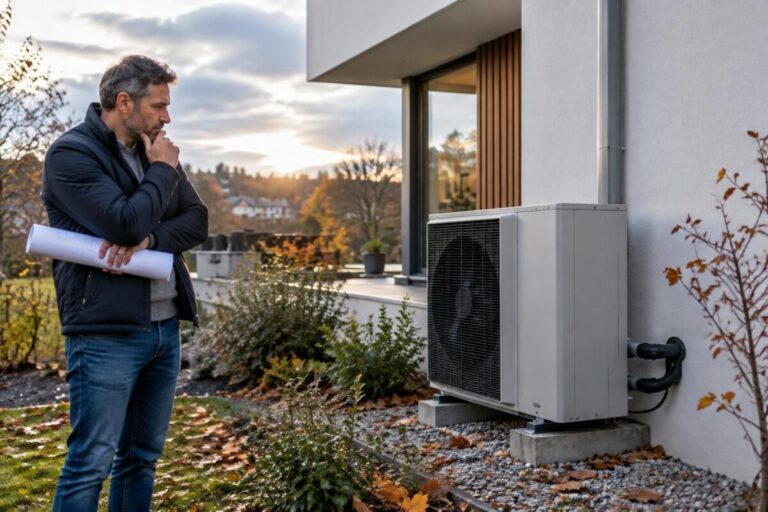
A heat pump draws heat from the air or ground to heat your home. It is often efficient in a properly insulated home with low-temperature radiators or underfloor heating. A preliminary assessment can determine whether your existing radiators can operate at a suitable water temperature.
If your home is poorly insulated, the unit may run more often and use more energy. You can start by looking at the things to check before installing a heat pump, then compare options based on your system.
Wood heating: economical if you plan your fuel supply well
Wood heating can offer competitive running costs, but they depend on local prices, the unit’s efficiency, and fuel quality. A pellet stove offers convenient temperature control; a log stove requires more handling. A pellet boiler can meet the needs of an entire home, provided you have enough space and arrange for regular maintenance.
Choose a recent, efficient appliance, dry wood, and a compliant installation. An open fireplace, on the other hand, does little to heat the home and can lead to significant heat loss: converting it to an insert may be an option if the flue is suitable.
Solar heating: an energy source to pair with supplementary heating
Solar thermal heating captures the sun’s heat to contribute to space heating and sometimes hot water. Its output varies with the weather and the season; a supplementary heating system is generally still needed in winter. Collector sizing and heat storage matter just as much as their orientation.
Solar is therefore often more useful as a supplement to a heat pump or a suitable boiler than as a standalone heating system. Solar thermal should not be confused with photovoltaic panels, which produce electricity.
Two scenarios to help you refine your choice
If your home is well insulated and has a water-based central heating system, an air-to-water heat pump may be a good option. Have a professional check the temperature your radiators need: a system that has to heat the water to a very high temperature often loses efficiency.
If you have a home with a flue, storage space, and locally sourced wood, an efficient stove can reduce your reliance on central heating. In a large home, it may not distribute heat everywhere: the layout of the rooms and air circulation make a difference.
If your home still uses a lot of energy, start by identifying improvements that will reduce heat loss. This page on heating options for a poorly insulated home can help you ask the right questions before changing your system.
Choose your eco-friendly heating system in three steps
- Step 1: assess your needs. Review your bills, note which rooms are difficult to heat, and have your insulation assessed. A heat-loss assessment can help estimate the required capacity.
- Step 2: compare compatible options. Request several detailed quotes. Ask for details about the equipment, additional work, maintenance, and the assumptions used to estimate savings.
- Step 3: check the installation and incentives. Make sure the company has the required qualifications and that the appliance is suitable for your home. Incentives and their amounts change: confirm the applicable rules before committing.
One detail that is often overlooked: moving a thermostat or leaving a door open between a room heated by a stove and the rest of the home can change how heat is distributed. Proper settings and everyday habits also affect the outcome.
Answers to frequently asked questions about economical heating
What is the most economical heating system for a home?
Wood can offer attractive running costs when fuel is available at a good price and the appliance is efficient. A heat pump can also reduce expenses in a suitable home. The outcome depends on insulation, climate, and energy prices.
Does a heat pump work in a poorly insulated home?
It can work, but high heat loss often increases its energy needs and can reduce its efficiency. It is best to assess the insulation and radiators before choosing the unit’s capacity.
Can solar heating heat the whole home?
In most projects, solar thermal contributes to heating needs without meeting them all year round. Supplementary heating is generally planned for periods with little sunshine or very cold weather.
Are low-consumption radiators always eco-friendly?
They can provide good comfort with suitable controls, but they use electricity. Their impact and running costs depend in particular on insulation, electricity rates, and how they are used.
Thanks for staying with me this far; Benjamin