Eco-friendly heating: why the purchase price is misleading
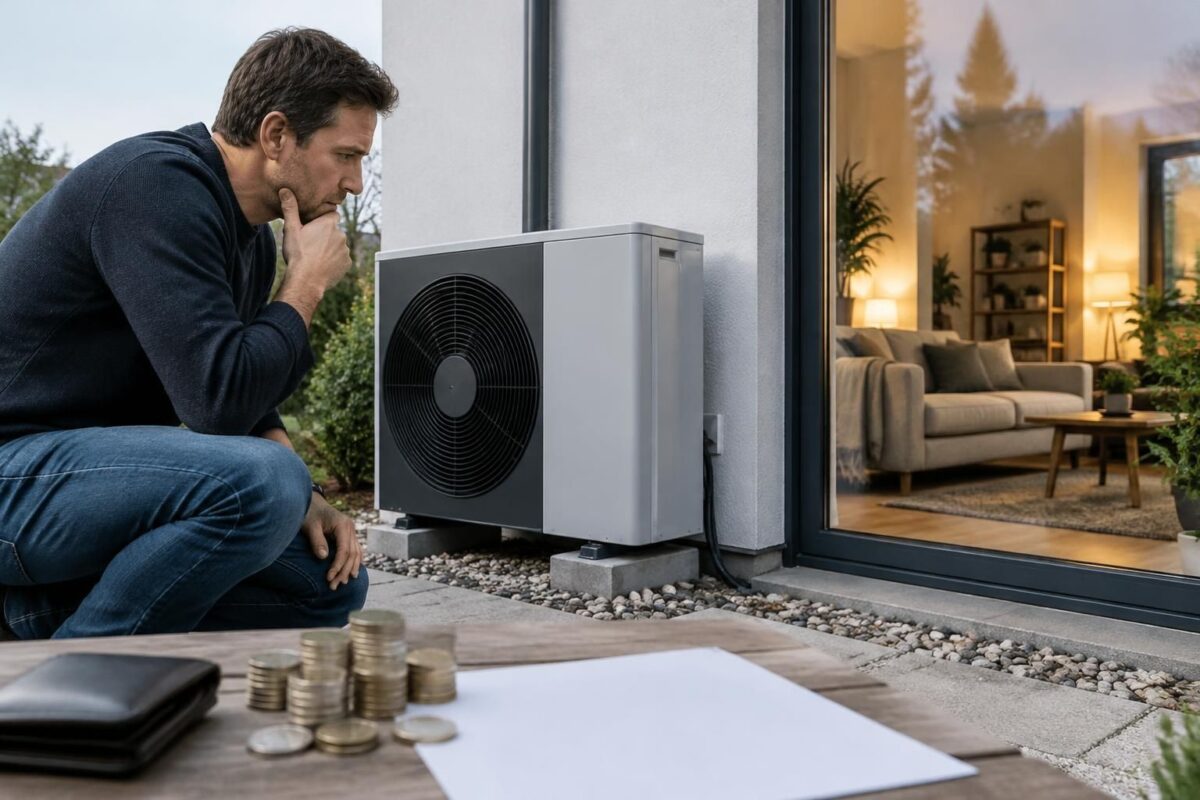
Hello, Benjamin here. The purchase price doesn’t reveal the true cost of heating: you also need to factor in installation, energy, maintenance, and lifespan.
A cheaper appliance can cost more to run, while a more efficient system may require a higher initial investment. To choose an economical heating system, compare its total cost over several years, not just the amount shown on the quote.
What to do now
- Ask for a quote that breaks down the appliance, installation, and any additional work.
- Compare the estimated energy consumption for your home, not a generic figure.
- Check the energy efficiency under the intended operating conditions.
- Include the cost of heating system maintenance and replacement parts in your calculations.
- Estimate the total cost over a shared period, such as 10 or 15 years.
To put the options into perspective, you can compare the criteria for an eco-friendly heating system that fits your budget and see whether economical heating is still worthwhile in a poorly insulated home. These guidelines help you avoid choosing an appliance without considering the home it will need to heat.
The purchase price tells only part of the total cost
The real cost builds up over time. It includes the purchase price, installation costs, energy expenses, maintenance, and sometimes the replacement of certain components.
A low-priced system may require complex installation or use more energy. Conversely, a more expensive appliance can reduce annual expenses if it is correctly sized and suited to the home.
Compare costs over the same period
Imagine two homeowners heating homes of a similar size. The first chooses an appliance that is inexpensive to buy but consumes a lot of energy; the second pays more for a more efficient model that is properly installed.
To compare their choices, you need to add up the expenses over the same period. Energy efficiency and energy prices affect the result, as do heating habits and insulation.
| Item to compare | Question to ask | Why it matters |
|---|---|---|
| Purchase price | What is the price of the appliance alone? | It does not necessarily include installation or the necessary modifications. |
| Installation cost | Does the quote include labor and connections? | The work can significantly change the initial bill. |
| Energy consumption | What is the estimated annual cost for this home? | It affects your budget throughout the appliance’s useful life. |
| Heating system maintenance | What maintenance is required, and how often? | Regular maintenance helps keep the system working properly. |
| Lifespan | What is a realistic lifespan under these usage conditions? | It determines the period over which to spread the investment. |
The right approach: compare complete quotes and estimates prepared for your home. A label or an isolated price is not enough to predict actual expenses.
Energy efficiency: why context changes the result
The stated efficiency provides an indication, but performance also depends on the outdoor temperature, settings, maintenance, and installation quality. An appliance that is efficient on paper does not automatically make up for a home that loses heat quickly.
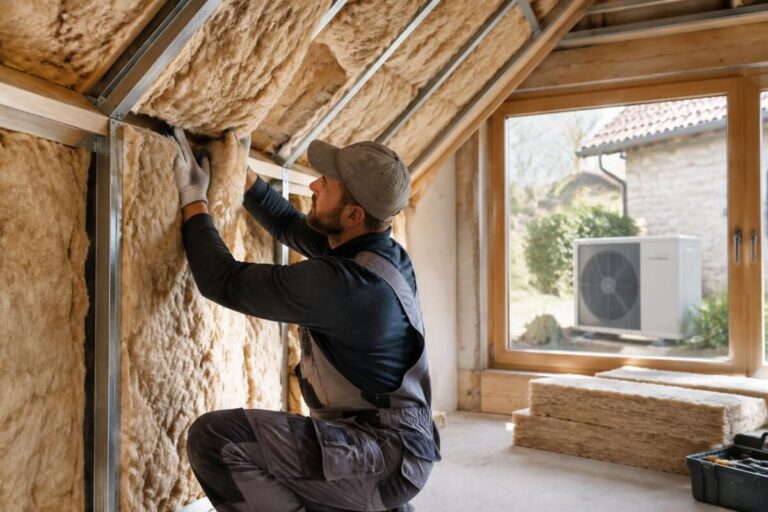
Poor insulation can therefore increase heating needs. Before choosing a system, check whether work on the building envelope could reduce energy consumption and allow for more appropriate sizing.
Energy savings should be assessed with caution
Advertised energy savings are estimates, not a universal promise. They vary depending on the condition of the home, the energy source previously used, the weather, and how the rooms are heated.
Ask what assumptions each estimate is based on: floor area, target temperature, energy price, and level of insulation. A useful comparison is based on identical assumptions; otherwise, the figures cannot help you choose between the options.
Return on investment: calculate it without being swayed by a promise
Return on investment is the time it takes for savings to offset an additional upfront cost. It therefore depends on installation costs, expenses avoided, and maintenance costs over the period.
For example, if one system costs more to install than another option but reduces annual expenses, the additional cost may be recovered gradually. However, make sure the estimated savings account for the actual lifespan and maintenance requirements.
Three steps to compare offers
- Gather the costs: note the purchase price, installation, home modifications, and expected maintenance.
- Estimate annual expenses: ask for a simulation based on your needs, insulation, and usage.
- Compare over the same period: add the investment and energy expenses, then review the expected savings without forgetting the lifespan.
This method makes quotes easier to understand and helps you avoid confusing a low initial bill with a truly cost-effective solution. The best choice is the one that meets your home’s needs while remaining affordable over time.
Frequently asked questions about the price of an eco-friendly heating system
What costs should you compare when choosing a heating system?
Compare the purchase price, installation cost, energy consumption, maintenance, and lifespan. Together, these factors give you a more accurate picture of the total cost.
Is a heating system that costs more upfront always more economical?
No. It may reduce energy expenses, but the result depends on the home, installation, settings, and maintenance. Compare costs over the same period.
How do you estimate the return on investment?
Assess the additional upfront cost compared with another option, then compare it with the estimated annual savings. Take maintenance costs and the system’s lifespan into account.
Why does insulation affect the choice of heating system?
A home that loses less heat generally requires less energy to maintain comfort. Insulation can therefore affect the required capacity and running costs.
I hope you found these tips helpful. See you soon! — Benjamin