
Solar energy: what are the real savings on heating?
Hello, Benjamin here. Solar heating can significantly reduce heating costs, but it rarely meets a home’s needs on its own all year round.
The actual savings depend mainly on insulation, climate, collector area, and how the heat is used. To assess it, you need to distinguish between solar thermal, which heats a fluid, and photovoltaic, which generates electricity.
Good practices to follow
- Check the insulation first: the less heat the house loses, the more useful the captured solar energy is.
- Identify your needs: heating only, hot water, or both require different systems.
- Assess orientation and shading: a well-exposed roof improves useful output.
- Ask for an estimate tailored to your home: be wary of promises of identical coverage for every house.
- Plan for backup heating: it takes over during cold or overcast periods.
To compare the options before you get started, also see our overview of solar’s ability to actually heat a home and our guide to eco-friendly heating solutions linked to solar energy.
Solar heating: what energy savings can you expect?
A solar thermal system converts solar radiation into heat. Collectors warm a fluid, which then transfers its energy to a hot water tank or the heating circuit.
The savings depend on the role assigned to the system. For domestic hot water, a significant share of annual needs can be met; for space heating, the contribution is more variable, because demand often rises in winter, when sunshine levels fall. Solar heating therefore generally supplements a primary system.
A useful ballpark figure, to be confirmed by a home assessment, is coverage of around 50 to 70% of annual hot water needs with a properly sized system. For space heating, the share covered can range from around 10 to 30%, with significant variations depending on the region, insulation, and heat emitters.
Solar thermal or photovoltaic panels?
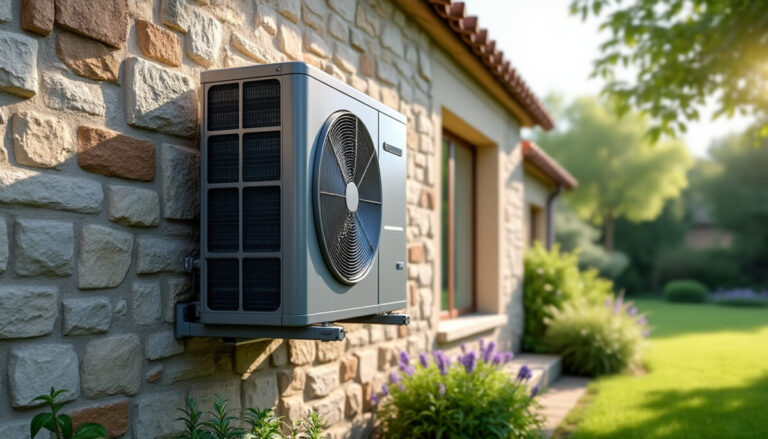
Solar thermal panels produce heat directly. Photovoltaic panels generate electricity, which can power a heat pump or other household appliances.
These solutions should not be compared solely on the basis of their stated efficiency: you need to look at how much of the energy is actually used on site. With photovoltaics, self-consumption matters a great deal; with solar thermal, correct sizing and storing the heat in a tank are key.
Savings vary depending on the home and the system
| Configuration | Potential savings | Point to watch |
|---|---|---|
| Solar thermal for hot water | Around 50 to 70% of annual needs, depending on the site and system | Plan for backup heating during periods with little sunshine |
| Combined solar system for heating and hot water | Often a partial contribution to heating, around 10 to 30% as a rough guide | A well-insulated home makes better use of the heat produced |
| Photovoltaics paired with a heat pump | Potential reduction in purchased electricity when generation coincides with usage | Solar generation is often lower during periods of high winter demand |
These ranges provide a guideline, not a guarantee. A reliable quote should spell out the assumptions: local climate, orientation, collector area, household energy consumption, and heating operating temperature.
A practical example to understand solar heating’s cost-effectiveness
In a poorly insulated house, demand can remain high even when the collectors are generating heat. Some of the energy savings are then offset by heat loss from the building: the bill goes down, but by less than expected.
In a renovated home, with a suitable hot water tank and low-temperature heating, solar heat is put to better use. Heating costs can fall further, especially if occupants use hot water while the tank is charged. The energy transition often starts with this alignment between generation, insulation, and usage.
What affects energy savings
- Insulation: an efficient building envelope reduces demand and allows solar gains to cover a larger share of it.
- Region and exposure: shading, orientation, and local sunshine levels directly affect output.
- System sizing: collectors that are too large can produce heat that is difficult to use in summer, without guaranteeing better heating in winter.
- Storage: a properly sized tank helps retain heat until it is needed.
- Backup system: a boiler or heat pump is often still useful to maintain comfort on cold days.
A common mistake is to focus only on the number of panels or the collector area. More powerful equipment is not automatically more cost-effective: it must match actual needs and storage capacity.
Assessing the actual savings in three steps
- Determine the home’s needs. Gather heating and hot water consumption figures, then identify when demand is highest.
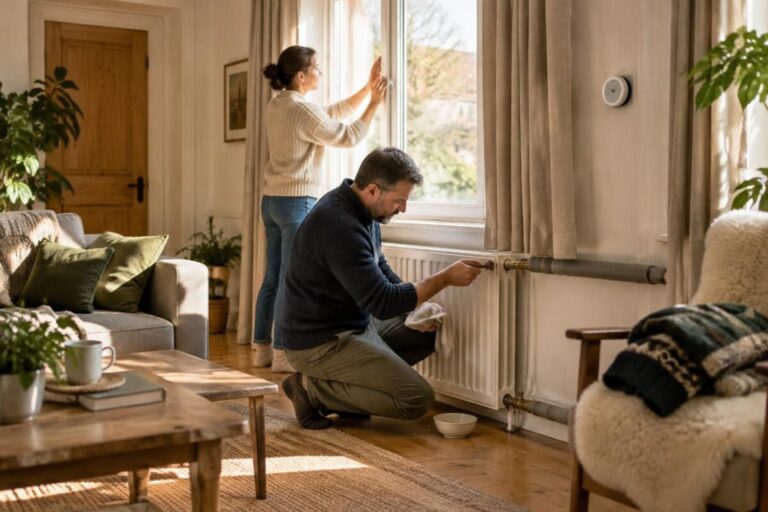
- Have the site assessed. Check exposure, shading, insulation, and compatibility with the radiators or underfloor heating.
- Compare quotes on the same basis. Ask for estimated output, the share of needs covered, backup equipment, and maintenance costs.
The right question is not just “how much heat do the collectors produce?” but “how much of that heat will actually be used in the home?” That answer makes it possible to estimate energy savings and solar cost-effectiveness without relying on general promises.
Frequently asked questions about solar heating
Can solar heating heat an entire home?
Rarely on its own all year round. It meets some of the demand and generally works alongside backup heating, especially during overcast winter periods.
What is the difference between solar thermal and photovoltaic?
Solar thermal produces heat directly for hot water or heating. Photovoltaics generate electricity, which can, among other things, power a heat pump.
Does insulation improve the savings from solar heating?
Yes. A home that loses less heat makes better use of the energy generated and can meet a larger share of its needs with the same system.
How can you avoid an oversized solar system?
Have your heating and hot water needs calculated, then ask for the quote to specify generation, storage, and the share that will actually be used throughout the seasons.
I hope you found these tips useful. See you soon! — Benjamin