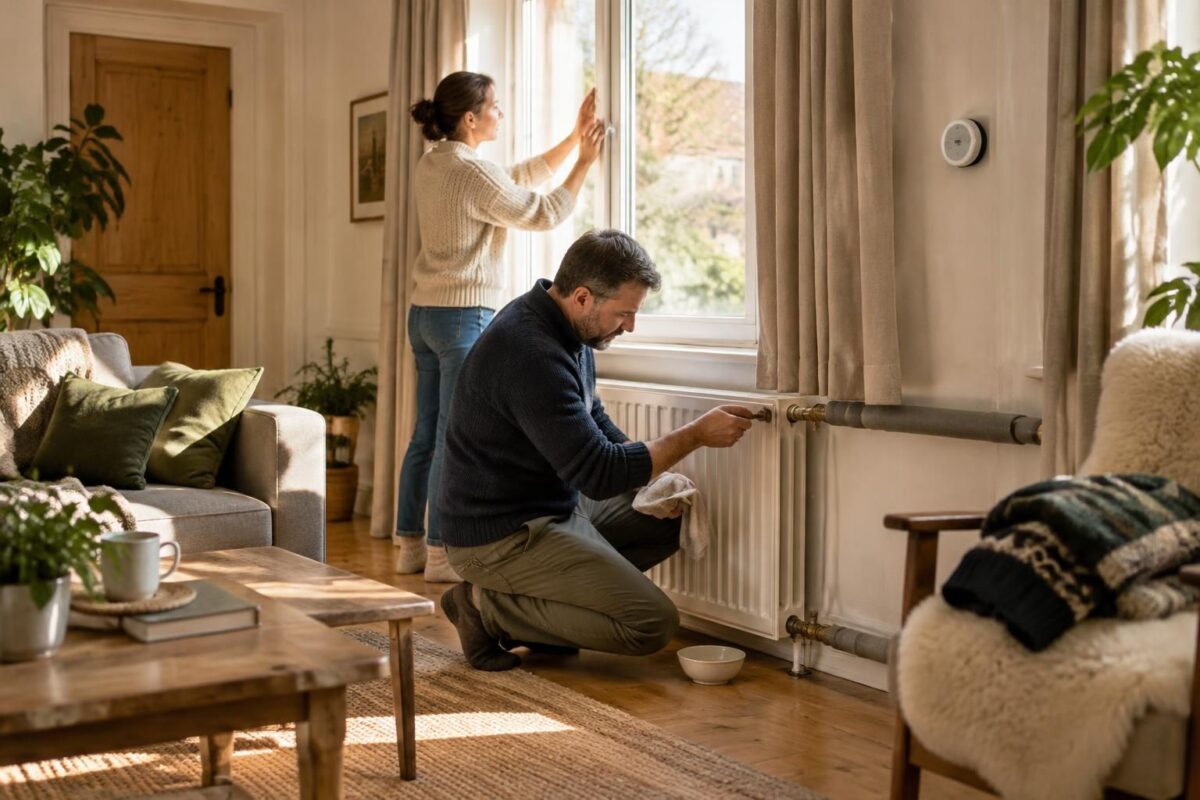
6 energy-saving actions before changing your heating system
Hi, this is Benjamin.
Before replacing your heating system, reduce heat loss and check your system’s settings: these steps can lower your bills without major work.
A new system on its own won’t fix poor insulation, drafts or unsuitable heating controls. Start with the simple steps, then decide whether replacing the equipment is really necessary.
Good habits to adopt before changing your heating system
- Lower the temperature by one degree and see how it affects your comfort.
- Schedule your heating around your routine and the rooms you use.
- Look for drafts around doors and windows, without blocking ventilation grilles.
- Clear the radiators and check whether they need bleeding.
- Record your actual energy use to better understand where the energy is going.
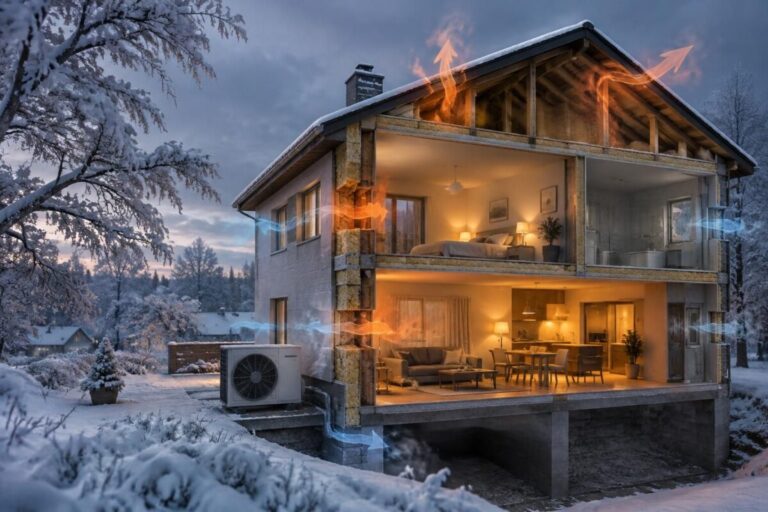
These first steps let you try reducing heat loss before investing. To compare priorities, also see our guide to insulation or a heat pump and our tips on how to avoid regrets after an installation.
Six ways to save energy before starting work
Heating accounts for a large share of household expenses. Before choosing a new boiler or a heat pump, a simple assessment can help distinguish between poorly adjusted equipment and a home that lets heat escape.
1. Adjust the temperature and schedule
Lowering the temperature by one degree can reduce heating consumption, with savings sometimes estimated at around 7%. The result varies depending on the home, the weather and your habits, but it costs nothing to try this adjustment.
A programmable thermostat adjusts heating periods to match the times you’re at home. However, avoid excessive changes: a moderate setback overnight or when you’re away is often enough to balance comfort and savings.
2. Improve airtightness without blocking ventilation
A worn seal or a poorly fitted door can let cold air in. Find the uncomfortable areas, then fit suitable seals to windows and door sweeps if needed: this airtightness helps limit drafts.
Never block ventilation grilles. To renew the air without leaving rooms cold for long, open the windows wide for a few minutes, then close them.
3. Clear and check your radiators
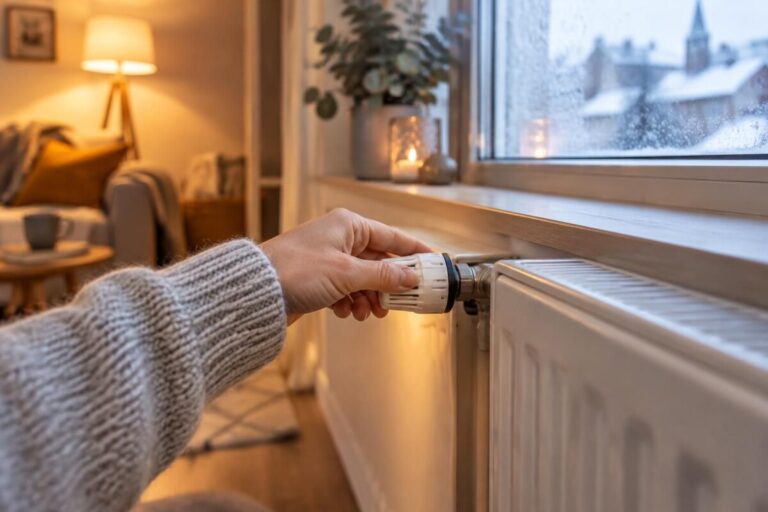
A heavy curtain or a piece of furniture in front of a radiator can hinder heat distribution. Leave space for air to circulate and check that each radiator heats evenly.
If a radiator gurgles or stays cold at the top, bleeding the radiators may help. If the problem persists, a professional can check the system’s balance rather than making the boiler work harder.
4. Monitor humidity and how comfortable the room feels
The temperature reading doesn’t tell the whole story: a damp room can feel colder. A small thermometer-hygrometer can help identify excessive humidity and adjust ventilation.
If a room remains uncomfortable despite the heating being set correctly, first look for the cause: a cold wall, drafts or insufficient ventilation. Comfort depends as much on the condition of the home as on the heating system’s capacity.
5. Reduce hot water heat loss
Hot water pipes running through a cold basement or garage lose heat along the way. Insulating the pipes with suitable insulation sleeves limits these losses and can make hot water more comfortable to use.
Also check the water heater settings against the manufacturer’s recommendations. If you’ll be away for several days, consult the manual before changing how it operates.
6. Maintain your system and review your readings
Boiler maintenance helps keep the system operating safely and efficiently. It can also identify unsuitable settings or a problem that is driving up energy use.
Compare actual energy readings rather than relying only on estimated monthly payments. An unexplained increase warrants an investigation before you conclude that the equipment needs replacing.
| Action | What to check | Desired effect |
|---|---|---|
| Thermostat settings | Temperature and heating schedule | Avoid heating unnecessarily |
| Seals and openings | Drafts around doors and windows | Improve airtightness |
| Radiators | Obstructions, noise, uneven heating | Improve heat distribution |
| Hot water pipes | Whether they run through cold spaces | Limit heat loss |
| Energy use | Actual readings and changes in expenses | Make decisions based on concrete data |
A three-step approach before replacing your equipment
- Monitor things for a few weeks. Note the temperatures, heating periods and energy readings. This gives you a basis for comparison.
- Address heat loss and adjust the settings. Deal with drafts, clear the radiators and schedule the heating according to how you use each room.
- Have the home and heating system assessed. If energy use remains high, ask a professional for advice so you can compare heating optimization, insulation work and replacing the system.
For example, in a home where furniture blocks the radiators and the thermostat keeps the heating on all day, a few adjustments can improve comfort before you even consider a new boiler. However, the right order of work depends on the condition of the home and the existing system.
When does replacing your heating system make sense?
If the appliance is old, breaks down often or uses a lot of energy despite being properly adjusted, it’s worth considering a replacement. The right choice depends in particular on insulation, the layout of the home, the heat emitters and installation constraints.
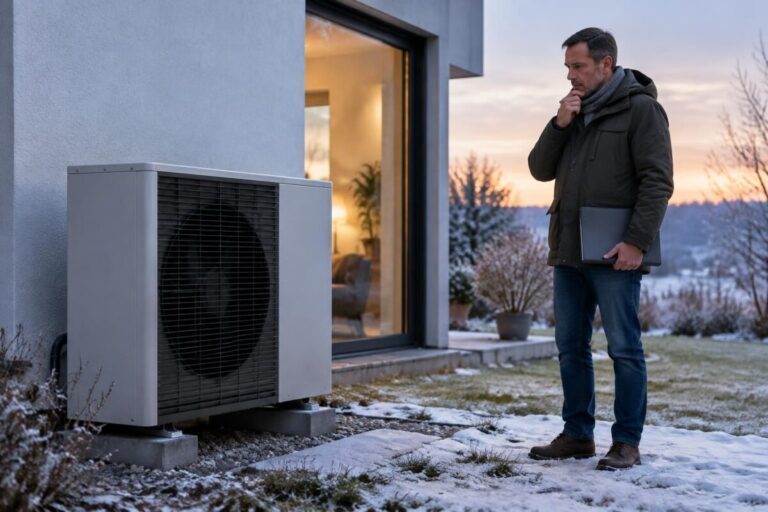
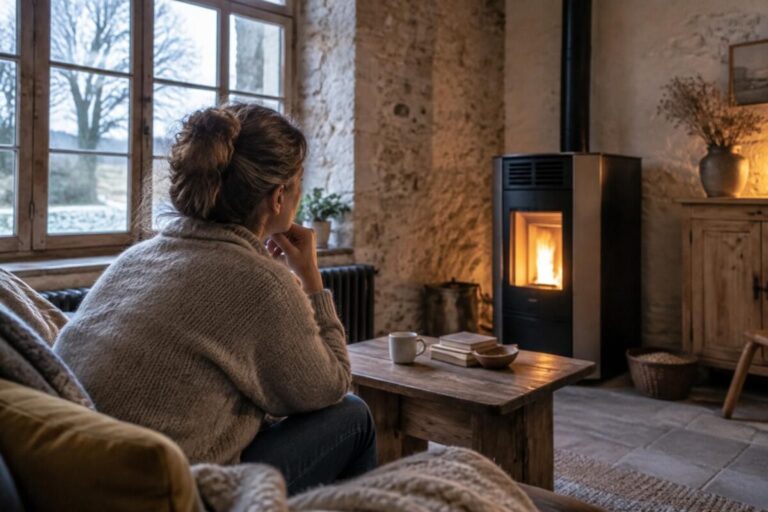
A heat pump, a wood-burning appliance or a connection to a district heating network isn’t automatically suitable for every home. Before signing a quote, compare the overall cost, the work required and the expected savings, rather than relying solely on promises about new equipment.
Is lowering the heating by one degree enough to reduce your bill?
It can help reduce energy use, sometimes by around 7%, but the result depends on the home, the weather and heating habits.
Should you replace your heating system before insulating?
Not necessarily. It’s helpful to assess heat loss and the home’s needs first, because insulation can change the heating capacity required.
Why bleed radiators?
Bleeding can help if a radiator gurgles or doesn’t heat properly across part of its surface. If the problem persists, have a professional check the system.
Can you block vents to keep the heat in?
No. Ventilation grilles must remain clear to renew the air and reduce the risks associated with poor ventilation.
I hope you found these tips helpful. Share your experience in the comments! — Benjamin