Eco-friendly heating: the best choice for each room
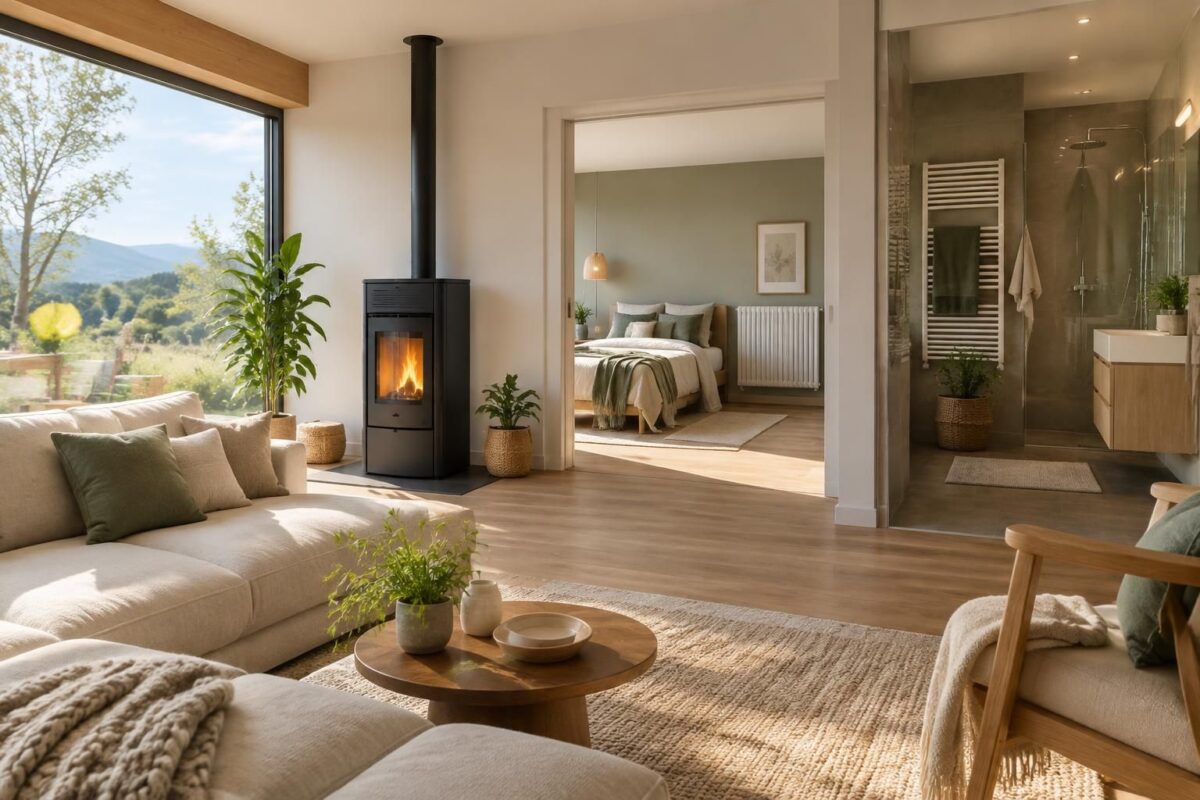
Hi, this is Benjamin. The best energy-efficient heating depends on the room: a wood stove or heat pump for living spaces, a programmable radiator for bedrooms, and a towel warmer for the bathroom. A suitable choice improves thermal comfort without unnecessarily heating unoccupied rooms.
Before replacing an appliance, check the thermal insulation: a home that loses heat can make even an efficient system expensive to run. The goal is to combine the right system with a temperature suited to each use and a smart thermostat.
What to do now
- Identify the rooms you use most and those that are hardest to heat.
- Check the insulation in the attic, walls, and windows before investing.
- Choose a different set temperature based on how each room is used.
- Compare installation costs, energy use, and maintenance requirements.
- Program the heating to match your schedule and times away from home.
To compare the comfort and efficiency of different systems, also see our guide to heating systems that maintain comfort and our tips for avoiding mistakes that drive up your bills.
Which energy-efficient heating should you choose for each room?
Room-by-room heating lets you meet the home’s actual needs: a living space occupied for long periods should not be heated like an entryway or a guest bedroom. For example, Lina can keep her living room at a comfortable temperature while turning down the heat in her office when it is empty.
| Room | Suitable option | Key point |
|---|---|---|
| Living room and open-plan kitchen | Wood stove, pellet stove, or heat pump | Choose based on insulation, room size, and existing equipment. |
| Adult bedroom | Programmable thermal-inertia radiator | A setting of around 17 °C is often suitable for sleeping. |
| Child’s bedroom | Thermal-inertia radiator with a low-temperature surface | Choose a model suited to the child’s age and securely fixed to the wall. |
| Bathroom | Electric towel warmer | It quickly heats the room and the towels. |
| Entryway or occasional-use office | Programmable radiant heater | Heats the room only when needed, without maintaining a high temperature continuously. |
Living room and kitchen: warmth suited to an occupied space
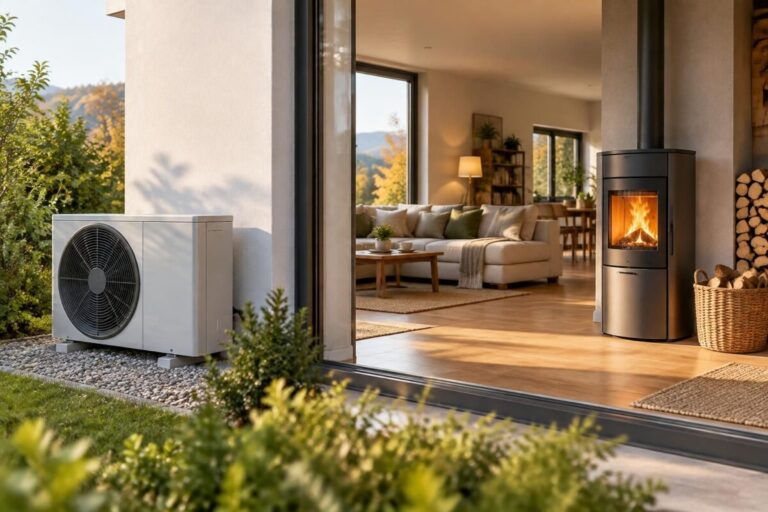
A wood or pellet stove may suit an open-plan living space, especially if heat can circulate easily. A pellet stove makes lighting and refueling easier, while a log-burning model requires more handling and storage space.
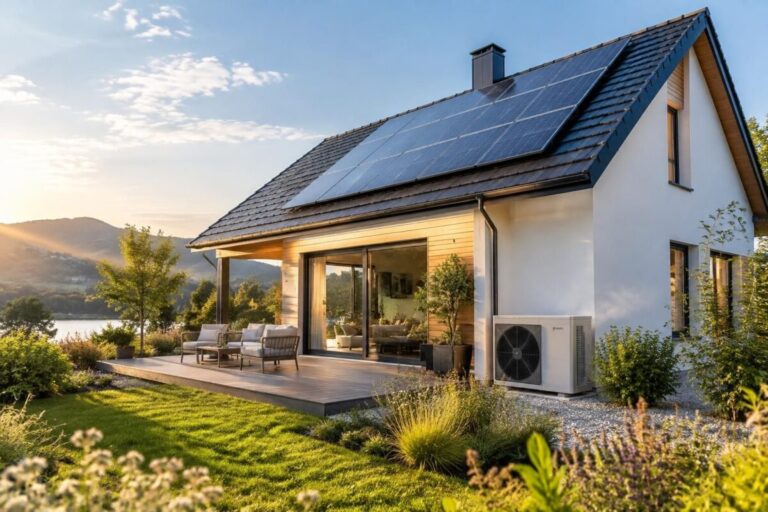
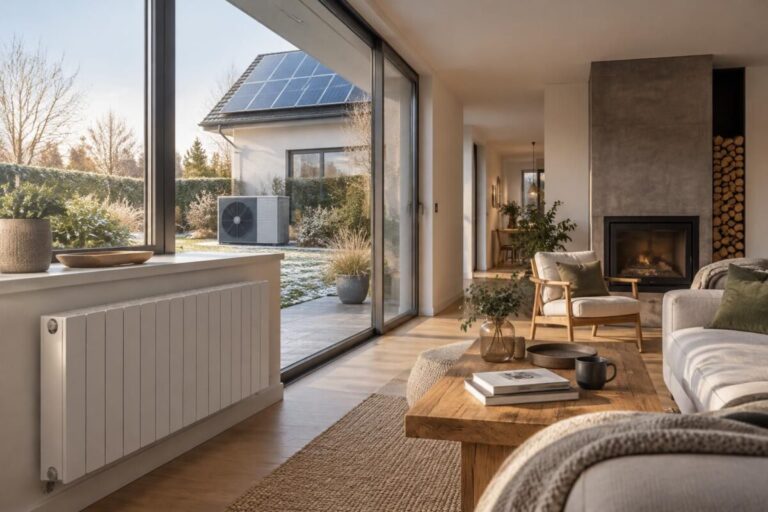
An air-to-air heat pump is another option: it distributes warm air, and some reversible models can also cool your home in summer. If you find the airflow uncomfortable, a thermal-inertia radiator can provide gentler heat, but avoid old, energy-hungry convectors. The environmental impact of heating also depends on the energy source and the home’s overall efficiency.
Bedrooms: opt for steady, programmed warmth
A setting close to 17 °C is often enough for an adult bedroom; the needs of a child or baby may differ. A fluid-filled thermal-inertia radiator provides steady warmth, while a programmable thermostat limits heating to the hours when it is needed.
A properly adjusted energy-efficient radiator helps manage energy use, but its name alone does not guarantee energy savings. Regularly dust the appliance and keep the air inlets clear: a clean, well-controlled radiator heats more effectively.
Bathrooms and transitional spaces: heat at the right time
In the bathroom, a towel warmer is practical because it heats up quickly and meets an occasional need. Some models have a fan to raise the temperature faster; use this feature only when the room is occupied.
In an entryway or an office used from time to time, a programmable radiant heater may be enough. A space heater may seem economical to buy, but if used for long periods, it can consume a lot of energy: it is better to use it occasionally and follow the safety instructions.
Compare your options before choosing
Your choice should not be based solely on the price of the appliance. A stove requires a suitable flue and space to store fuel; a heat pump needs to be correctly sized and have an appropriate location for the outdoor unit. Electric radiators are easier to install, but their running costs depend greatly on insulation and programming.
For an electric radiator, an approximate output of 100 W per m² is a useful starting point. It should be adjusted based on ceiling height, region, and the quality of the thermal insulation: a professional can confirm the sizing, especially in an older home.
Choose economical heating in three steps
- Assess your home’s envelope. Look for drafts, cold surfaces, and heat loss. Prioritize insulation if the home is poorly insulated; otherwise, the new system may run more often without providing the comfort you expect.
- Match each room to how it is used. Choose a suitable main system for living spaces, then controllable appliances for bedrooms and rooms used intermittently. Check any requirements relating to flues, storage, condominium rules, or power supply.
- Compare the total cost and have the system adjusted. Get several detailed quotes, check which grants you may be eligible for, and program temperatures to match your schedule. A correctly sized and adjusted system is often more useful than an appliance bought solely on the promise of savings.
Useful questions about room-by-room heating
What temperature should you aim for in each room?
As a guide, around 19 °C in occupied living spaces and 17 °C in an adult bedroom may be suitable. Adjust the settings to the occupants’ ages and comfort, as well as the home’s characteristics.
Can a stove heat the whole house?
It may be enough in a compact, well-insulated, open-plan home, but heat does not spread as well to distant rooms or upper floors. Supplementary heating may be needed.
Which appliance should you choose for a bathroom?
An electric towel warmer is a practical option because it heats up quickly. Choose a model suited to the bathroom and follow electrical installation regulations.
Does a newer radiator always use less energy?
Not automatically. A thermal-inertia model often improves comfort compared with an old convector, but savings also depend on insulation, the temperature setting, and programming.
Thanks for reading! Feel free to share your thoughts in the comments. — Benjamin