Eco-friendly heating: should you avoid going all-electric?
Hello, Benjamin here.
No, all-electric heating isn’t something you should automatically avoid: it becomes especially expensive when a home is poorly insulated or equipped with inefficient radiators.
Energy-efficient heating depends as much on the system you choose as on the heat loss from your home. Before replacing your appliances, look at the insulation, how you use them, and the actual cost of your electricity bill.
So the right decision isn’t necessarily to replace everything. It’s about adapting the heating to your home and your needs.
All-electric heating: 5 tips to remember
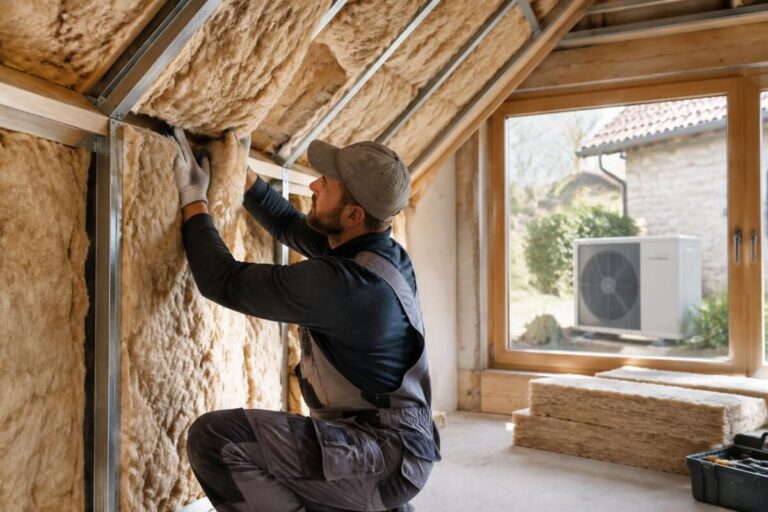
- Check the thermal insulation in the attic, walls, and windows before changing your heating system.
- Measure your energy consumption over several months, taking the weather and thermostat setting into account.
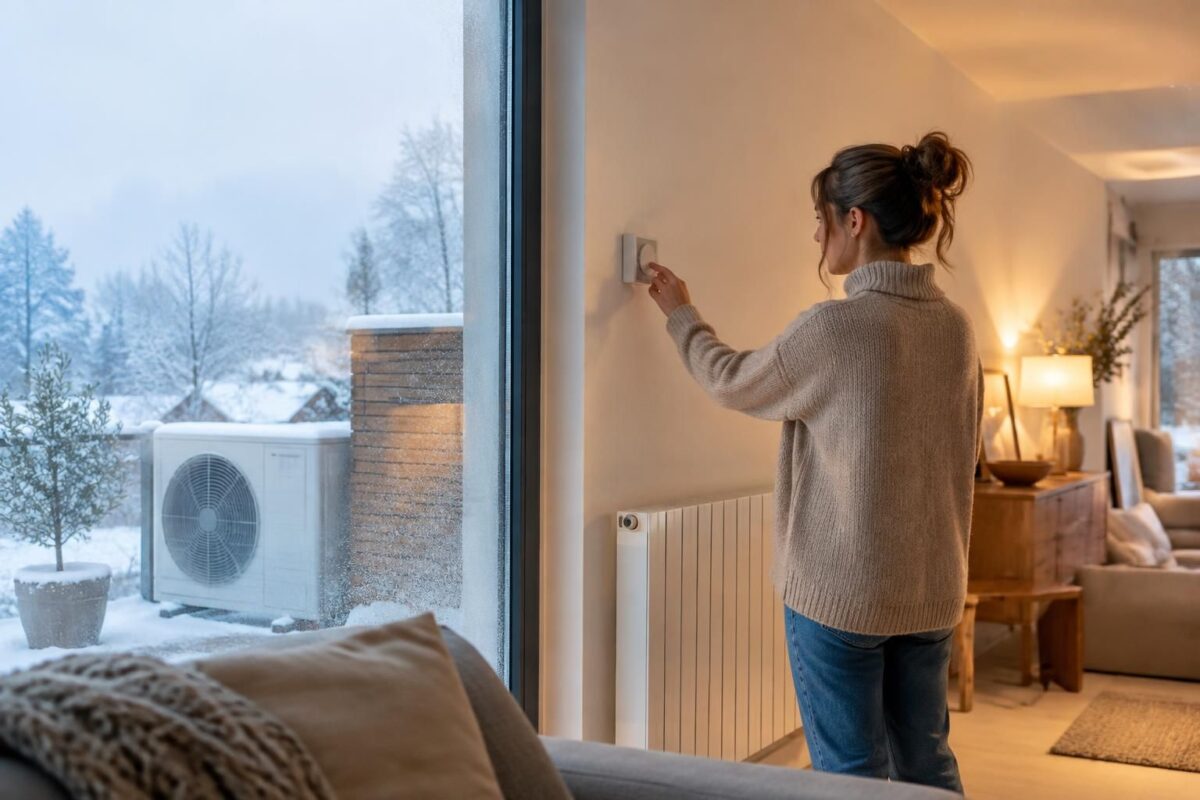
- Program your radiators to heat occupied rooms and lower the temperature at night or when you’re away.
- Compare solutions by looking at installation, maintenance, and energy costs—not just the purchase price.
- Get several detailed quotes before investing in a heat pump or another system.
To get an overview of the options, you can read this comparison of wood heating, heat pumps, and electric heating, then see why the order of renovations matters in this guide to insulating or changing your heating system.
Electric heating or another energy source: the right choice depends on your home
Resistance-based electric heating is simple to install and lets you control each room individually. But it converts electricity directly into heat: in a home that lets that heat escape, the bill can quickly climb.
A heat pump uses energy from the air or ground to provide heat. Its efficiency can be several times higher than that of a resistance heater, but its performance varies depending on the model, the outdoor temperature, and the quality of the installation.
| Solution | Main advantage | What to check |
|---|---|---|
| Electric radiators | Simple installation and room-by-room control | Running costs if the home is poorly insulated |
| Heat pump | Heat produced with generally lower electricity consumption | Whether it suits the home, sizing, and maintenance |
| Wood heating | Renewable energy and comfortable warmth | Storage, fuel supply, and regular maintenance |
Wood heating and renewable energy can supplement or replace an electric system, but no system is right for every home. The right choice is the one that meets your home’s actual needs without creating expenses or demands that are difficult to manage.
A practical example: insulate before replacing
In a poorly insulated home, replacing convectors with newer radiators can improve comfort and temperature control, without addressing heat loss through the roof or walls. A family that starts by insulating the attic can then choose less powerful equipment and reduce its heating needs.
Conversely, in a well-insulated home that is only used occasionally, well-programmed electric radiators can still be a sensible solution. All-electric heating isn’t a problem in itself: it’s the combination of the building, the appliances, and your habits that makes the difference.
The all-electric heating pitfall: replacing appliances without reducing heat loss
A common mistake is to buy new radiators in the hope of significantly lowering energy consumption, while heat loss from the home remains unchanged. A better-controlled appliance can improve comfort, but it doesn’t replace effective thermal insulation.
Another pitfall is choosing a heat pump simply because it’s presented as economical. Incorrect sizing or unsuitable installation can reduce its performance. You need to compare quotes, check the technical specifications, and ask for an explanation of how it’s expected to work in your home.
Switch to energy-efficient heating in 3 steps
- Assess the situation. Identify cold rooms, drafts, the condition of the windows, and the times when energy consumption rises. An energy audit can help prioritize renovations.
- Reduce your needs. Start by addressing major heat loss and adjusting your existing equipment. A thermostat setting of around 19 °C in occupied rooms is a common guideline, which you can adapt to your comfort and circumstances.
- Compare systems and quotes. Evaluate the total cost, necessary work, maintenance, and any grants you may be eligible for. Also check that the proposed capacity is right for your home.
This approach helps you avoid paying for oversized or unsuitable equipment. It also helps distinguish real savings from a promise based solely on the advertised price.
Frequently asked questions about all-electric heating
Is electric heating always more expensive?
No. The cost depends on insulation, the type of equipment, temperature control, and the price of electricity. Well-controlled radiators in an energy-efficient home can be a good fit, while convectors in a poorly insulated home may drive up the bill.
Do you need to install a heat pump to move away from all-electric heating?
Not necessarily. A heat pump can reduce the electricity used for heating, but it must be suited to the home and correctly sized. Insulation and heating needs should be assessed before making a decision.
Is wood heating an easy alternative?
It can be a good option if fuel supply, storage, and maintenance fit your daily routine. You also need to choose a suitable appliance and take local regulations and air quality into account.
What should you do first to reduce your electricity bill?
Start by identifying heat loss and checking your radiator settings. Then compare insulation work and heating options based on your home’s actual needs.
I hope you found these tips helpful. See you soon! — Benjamin