3 Insulation Methods to Help a Heat Pump
Hello everyone, it’s Benjamin. The three most useful methods are attic insulation, wall insulation and floor insulation. By reducing heat loss, they help the heat pump operate under better conditions. The right order: address the main sources of heat loss, then have the heat pump sized according to the home’s actual needs.
WHAT TO DO FIRST
- Identify cold spots and drafts, especially near the attic and windows.
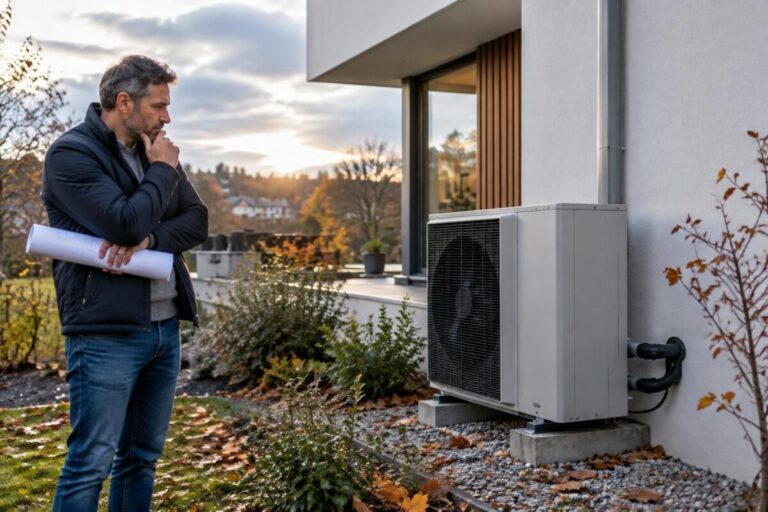
- Request a heat-loss assessment before choosing the heat pump’s capacity.
- Compare insulation options based on their effectiveness, cost and suitability for the home.
- Plan for appropriate ventilation to renew the air after improving airtightness.
- Have the heat pump’s size recalculated once the work has been defined.
Attic insulation: the first step in reducing heat loss
Heat rises, so a poorly insulated attic can let a significant amount of the energy produced escape. Improving insulation in this area helps achieve a greater reduction in heat loss, often without altering the living spaces.
Depending on access and the condition of the space, insulation can be installed on the attic floor or beneath the roof. One practical point is often overlooked: be careful not to block the air inlets designed to ventilate the roof.
Wall and floor insulation: addressing cold surfaces
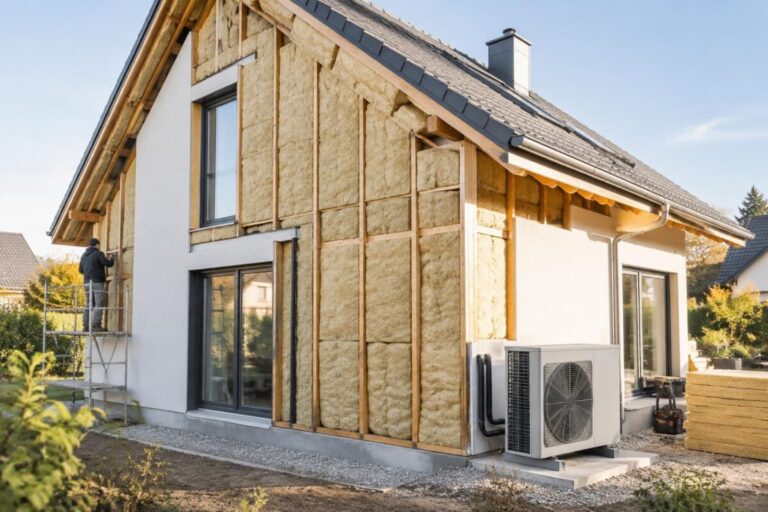
Wall insulation limits heat transfer between the home and the outdoors. It can be installed on the inside or outside, depending on the budget, the façade and the constraints of the home. In many cases, external insulation also reduces thermal bridges.
Floor insulation can make rooms feel less cold, particularly those above a garage or crawl space. If the floor remains icy despite regular heating, this option is worth looking into before asking the heat pump to do more.
Three insulation methods to improve heat pump performance
| Method | Best suited when… | Intended effect |
|---|---|---|
| Attic insulation | Rooms beneath the roof are difficult to heat, or the attic is poorly insulated. | Limit heat loss through the top of the home. |
| Wall insulation | The walls are cold and façade or renovation work makes it possible. | Improve comfort and reduce heat transfer. |
| Floor insulation | The floor is cold and is above an unheated space. | Reduce heat loss to the garage, cellar or crawl space. |
This work contributes to the insulation of the building envelope. The best choice depends on the condition of the building surfaces: insulating an area that is already performing well before addressing a roof with high heat loss is not always the most cost-effective option.
Why insulation helps improve heat pump efficiency
In a home that retains heat better, the heat pump has less demand to meet. It can then be sized more accurately and operate at a lower heating temperature, when the home’s heat emitters allow it.
This optimization of heat pump efficiency can help reduce electricity consumption. Results vary depending on the climate, the system, heating habits and existing insulation, so it is best not to rely on a single figure.
Conversely, installing a heat pump before major work is done may mean choosing a system based on needs that will later change. To understand this common pitfall, see this article on the insulation mistake to avoid before installing a heat pump.
If the home is still poorly insulated, the heat pump may run for long periods to make up for heat loss: this analysis explains why a heat pump works harder in a poorly insulated home.
Two situations to help you choose the right order
If the attic is barely insulated, start by having its insulation assessed, along with other areas that may be weak. The heat pump can then be sized with the planned work in mind.
If the insulation is already adequate, but heating is still uncomfortable, have the settings, radiators and system sizing checked before undertaking further work. Poor controls can also reduce thermal comfort.
Three-step process for coordinating insulation and a heat pump
- Step 1 — Identify heat loss. Have the attic, walls, floors, windows and ventilation inspected. An audit or appropriate assessment can help prioritize the work.
- Step 2 — Plan the insulation work. Compare the options and have the materials, areas and treatment of thermal bridges specified. If several projects are planned, ask for a coordinated schedule.
- Step 3 — Size the heat pump after the work has been decided. Give the installer details of the insulation you have chosen. They can assess the heating requirements and set up the equipment for the renovated home.
For many projects, insulation is installed before the heat pump, sometimes a few weeks or months apart. If the projects are coordinated, make sure the capacity calculation takes the home’s final condition into account.
To learn more about timing, you can also read the right order for insulation and a heat pump. The key is not to choose equipment based on heat loss that will soon be addressed.
Frequently asked questions about insulation and heat pumps
Should you insulate before installing a heat pump?
This is often preferable, as insulation reduces heating needs. The heat pump can then be sized based on the expected situation after the work is completed.
Which insulation work should be done first?
It depends on the home’s heat loss. The attic is often a priority, but an assessment may reveal that the walls or floor need attention first.
Is a heat pump enough for a poorly insulated home?
It can heat the home if it is appropriately sized, but significant heat loss may increase its operating time and energy consumption. Checking the insulation helps you choose a suitable solution.
Can insulation and heat pump installation be part of the same project?
Yes. The work can be coordinated, provided the heat pump is sized to account for the planned insulation and ventilation is also assessed.
Thanks for staying with me this far; Benjamin