5 Eco-Heating Tips Before a Heat Pump
Hello everyone, it’s Benjamin.
Before installing a heat pump, first get an energy audit, reduce heat loss, and check your radiators: this will help the system operate under good conditions. For economical heating, it’s best to prepare your home before choosing the unit. Here are five practical tips to help you move forward without skipping steps.
WHAT TO DO FIRST
- Identify heat loss with an energy audit or a suitable assessment.
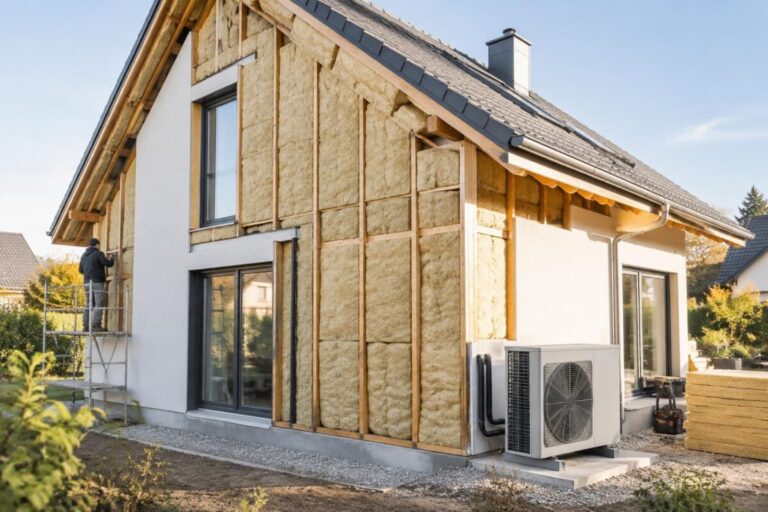
- Improve your insulation, prioritizing the attic and cold areas.
- Check your radiators and whether they’re compatible with low-temperature heating.
- Have the heating circuit checked and plan for sludge removal if the system is clogged.
- Compare several detailed quotes, including heating system sizing, placement, and maintenance.
1. Reduce heat loss before choosing a heat pump
A poorly insulated home quickly loses the heat it produces. The heat pump then has to work harder, which can reduce its efficiency and make it harder to maintain a comfortable temperature.
Start by looking for drafts, poorly insulated attic spaces, and cold walls. An energy audit helps prioritize work based on its value. It also prevents you from choosing the system’s capacity before you know your home’s actual heating needs.
If the attic is cold in winter, start by checking its insulation. If the windows are recent but the walls still feel cold, have the walls and thermal bridges assessed before deciding what to do.
2. Check whether your radiators are suitable for a heat pump
An air-to-water heat pump can often be connected to your existing heating circuit. But the results depend on the radiators, underfloor heating, and the water temperature needed to heat the rooms.
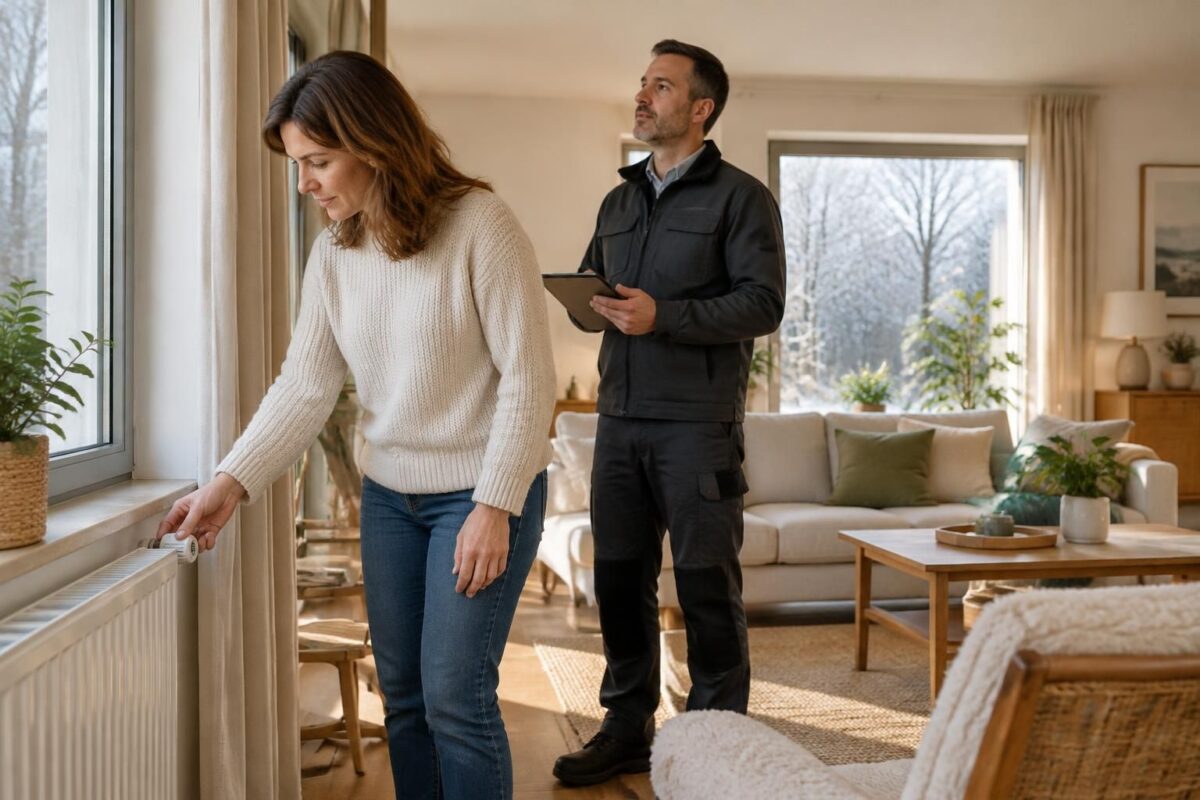
Low-temperature radiators work well with cooler water. Older radiators don’t necessarily make the project impossible, but the installer needs to check their output and the comfort they provide in cold weather. Trying out different settings before the work begins can already give you some clues.
Also ask whether the system needs cleaning. Having it flushed before installation can remove deposits that have built up in the pipes and help the water circulate properly.
3. Plan your heating controls and settings
Before installation, think about your routine: which rooms are occupied during the day, what temperature do you want at night, and when is the house empty? A programmable thermostat lets you adapt the heating to your routine without making frequent, sudden changes.
Steady settings are often preferable to major fluctuations. Air out rooms briefly, keep radiators clear, and use eco or away modes when they suit your situation. These habits don’t replace insulation, but they can help you avoid unnecessary costs.
To compare different heating options, you can also read this article about what a heat pump can actually replace.
4. Check the location, noise, and electrical requirements
The outdoor unit needs a clear space to draw in air. Its location also matters for noise: if possible, avoid placing it near a bedroom window or facing your neighbor’s windows. Discussing the project with your neighbors in advance can help prevent disagreements.
Have the electrical installation and the length of the connection between the units checked. Ask the installer to explain any installation constraints, the noise levels specified for the model, and possible solutions if space is limited.
5. Compare quotes, grants, and planned maintenance
A useful quote details the equipment, its capacity, any modifications to the heating circuit, commissioning, and any additional work. Price alone isn’t enough: ask why the proposed model is right for your home and how the radiators will be adjusted.
Find out about the financial incentives available when you’re planning your project. Programs and their terms can change; check your eligibility with the relevant organizations before signing. Some incentive programs may require a professional with RGE certification.
Also check the heating system’s maintenance arrangements, after-sales service, and spare-parts availability. If a quote is vague about the work or settings, ask for an explanation before committing. To avoid this pitfall, here are some pointers on the risks of an unclear heating quote.
Three steps to prepare your project
- Step 1: Review your insulation, bills, rooms that are difficult to heat, and current system. An energy audit can help identify priorities.
- Step 2: Ask several professionals to assess the heating circuit, heat emitters, required capacity, and location of the outdoor unit.
- Step 3: Compare the quotes item by item, check which incentives you may be eligible for, and clarify the settings and maintenance before signing.
What to compare before installation
These points will help you ask installers the right questions. The final choice depends on your home, the local climate, and how you use your heating.
| What to check | Why it matters | Question to ask |
|---|---|---|
| Insulation | It limits heating needs and heat loss. | Which improvements should be prioritized before installing the heat pump? |
| Radiators or underfloor heating | They determine the water temperature and the level of comfort you can achieve. | Is the existing system suitable for the proposed model? |
| Sizing | An incorrectly estimated capacity can affect comfort and operation. | What data is the calculation based on? |
| Outdoor unit location | It affects noise, airflow, and relations with neighbors. | What installation options are available? |
| Maintenance and warranties | They help you plan for servicing and repairs. | What do the service contract and warranties cover? |
This video can help you understand the order of work to do before installing a heat pump and complement these checks.
Frequently asked questions about heat pumps
Do you need to insulate the whole house before installing a heat pump?
Not necessarily. An energy audit helps identify priority improvements and adjust the heat pump’s capacity to your home’s actual needs.
Can you keep your old radiators?
Often, yes, but a professional needs to check whether they can heat your home with a suitable water temperature. The result depends on the home and its heat emitters.
When should you request quotes for a heat pump?
Plan ahead rather than waiting for a breakdown in the middle of winter. You’ll have more time to compare proposals, check available incentives, and choose a location.
What maintenance should you plan for after installation?
Follow the manufacturer’s instructions and the requirements that apply to your system. A professional can check that it’s working properly, while you can keep the outdoor unit clear and watch for anything unusual.
Thanks for being here until the end; Benjamin