5 Heat Pump Tips for a Demanding Home
Hello there, it’s Benjamin.
For a home with high standards, choose a properly sized heat pump, suited to its insulation and configured to meet your needs.
The right equipment is about more than its stated output: assessing the home, the quality of the installation and ongoing monitoring matter just as much. Here are five pointers to help you improve comfort without letting costs spiral.
Things to do right away
- Have your home’s heat loss assessed before choosing a model.
- Check the sizing based on the climate, rooms and heat emitters.
- Improve the insulation if heat is escaping through the attic, walls or windows.
- Request several detailed quotes, including stated performance and the work covered.
- Plan for adjustments and maintenance from the time of installation to keep the system running efficiently.
To compare criteria that are often overlooked, see this heat pump comparison, then assess whether the equipment suits your home with this guide to cost-effectiveness by house type.
Choose a high-performance heat pump suited to your home
A high-performance heat pump does not, on its own, guarantee a good result. Its efficiency depends in particular on the outdoor temperature, the required water temperature and the quality of the installation.
Ask for heat pump sizing based on actual heat loss, not just the living area. An oversized unit may switch on and off too frequently; an undersized one may rely on its electric backup heater more often.
Correct sizing makes all the difference
In a 150 m² home, floor area alone is not enough to determine the required output. Two buildings of the same size can have very different needs depending on their insulation, orientation and radiators.
A reputable installer will explain their assumptions and specify the expected operating temperatures. A tailored calculation is better than choosing an output by guesswork.
Pair your heat pump with effective thermal insulation
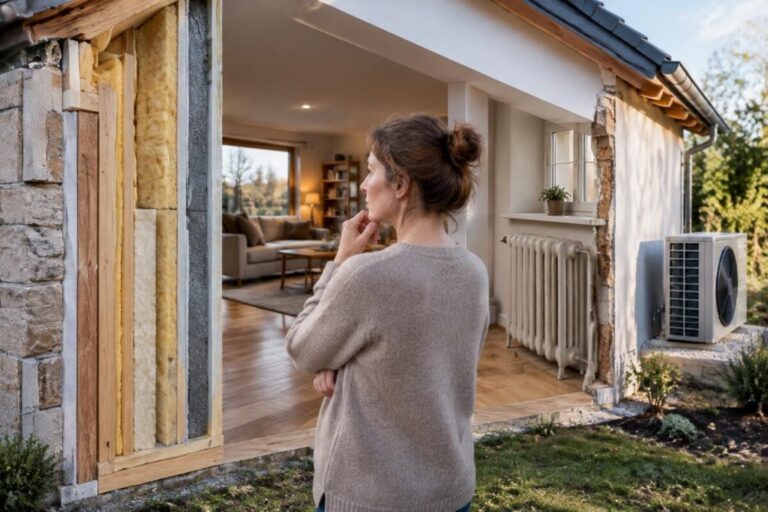
Effective thermal insulation reduces heat loss and often makes it possible to heat your home with cooler water. The heat pump can then operate under better conditions, helping keep energy consumption under control.
If the attic is poorly insulated or the windows are old, addressing these issues can improve comfort throughout the home. The order of the work matters: it is best to assess the building envelope before choosing the unit’s output.
A real-life example before you sign
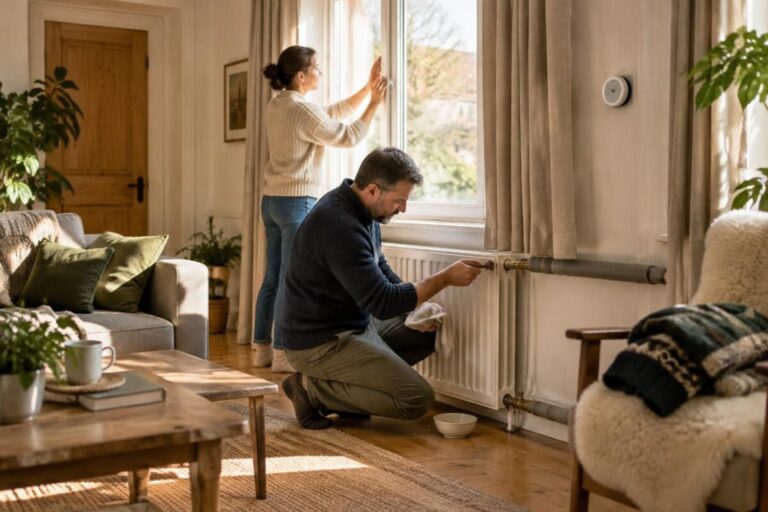
Imagine a home with cold rooms upstairs and an overheated living room. Rather than immediately increasing the output, look for the causes: heat loss through the roof, air circulation, poorly balanced radiators or unsuitable settings.
Correcting these imbalances can prevent you from oversizing the equipment. The best energy is the energy your home doesn’t lose.
Plan the heat pump installation and consider acoustic comfort
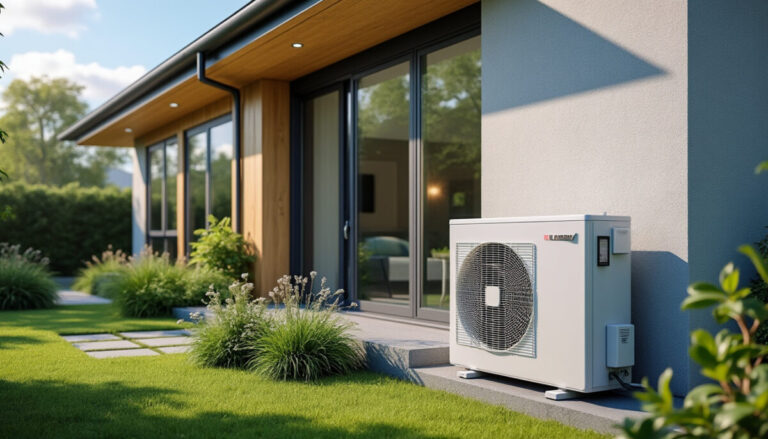
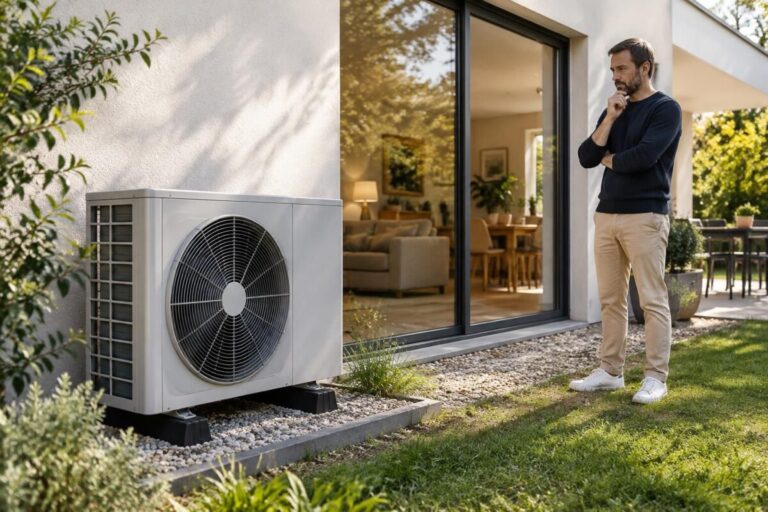
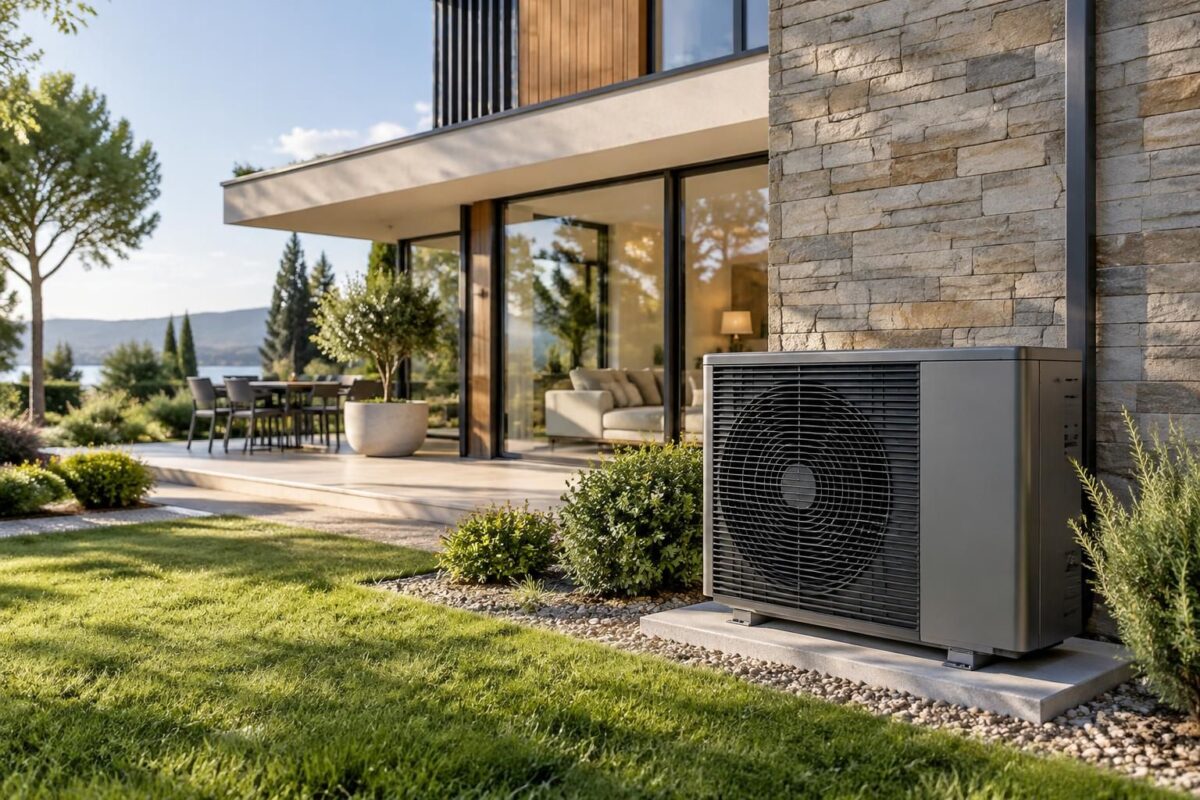
The heat pump installation should take into account where the outdoor unit will be placed, its distance from neighbors and any access constraints. A well-planned installation limits noise and makes maintenance easier.
For heating a home with high standards, also check compatibility with your existing radiators or underfloor heating. If they operate at a high temperature, adjustments may be needed to achieve optimal thermal comfort.
Compare options methodically
Quotes should itemize the equipment, installation, hydraulic accessories, commissioning and warranties. Be wary of an offer that promises specific savings without explaining the assumptions behind the calculations.
| What to check | Useful question | Why it matters |
|---|---|---|
| Output | Does the calculation account for heat loss? | To avoid a unit that is oversized or undersized. |
| Heat emitters | Can the radiators operate at the intended temperature? | To maintain good efficiency and consistent warmth. |
| Location | Have noise and maintenance access been considered? | To preserve comfort for your household and your neighbors. |
| Budget | Have renovation grants been estimated based on your circumstances? | Compare the out-of-pocket cost, not just the listed price. |
A clear quote makes it possible to compare like-for-like solutions, rather than prices that cover different services.
Adjust the temperature and maintain your heat pump
The temperature setting affects both comfort and energy consumption. A steady setting suited to your household’s habits is generally better than frequent, significant changes.
Heat pump maintenance helps identify dirt buildup, circulation problems or settings that have drifted. Follow the tasks specified by the manufacturer and the applicable regulations; a professional can also check the circuit and the system’s performance.
Three steps to move forward with confidence
- Assess your home: have the insulation, heat loss and radiators checked before choosing an output.
- Compare the proposals: request detailed quotes and check which renovation grants you may be eligible for.
- Keep the equipment maintained: schedule the settings during commissioning, then follow the maintenance recommendations.
A well-prepared home and a correctly configured unit make a more reliable pair than a choice driven solely by promises of savings.
Practical questions about heat pumps for homes with high standards
Is a heat pump suitable for an older home?
Yes, if its heating needs and heat emitters are assessed before making a choice. Insulation improvements or adjustments to the radiators may be necessary.
How can I tell if a heat pump is correctly sized?
Ask for an assessment based on the home’s heat loss, the local climate and the heat emitters. Floor area alone is not enough to determine the correct output.
Should I insulate before installing a heat pump?
It is useful to assess the insulation beforehand. Reducing heat loss can improve comfort and help avoid choosing an oversized unit.
What temperature setting should I choose?
A steady setting suited to the occupants and the heating system is a good starting point. The installer can adjust the controls during commissioning.
Thanks for stopping by! See you soon for a new article. — Benjamin