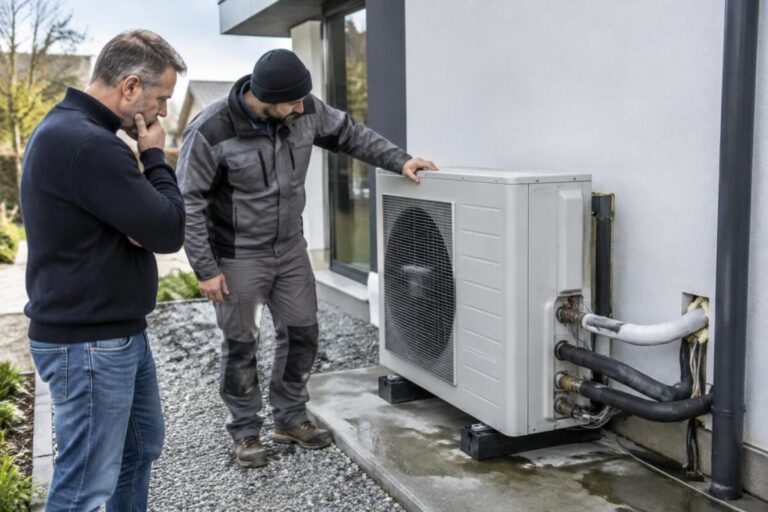

Enhanced Insulation: Which Energy-Efficient Heating System Becomes Unbeatable?
Hello, this is Benjamin.
With improved insulation, a heat pump often becomes the most cost-effective eco-friendly heating option to run, especially with low-temperature radiators or underfloor heating.
A home that loses less heat needs a less powerful system and uses less energy. However, the right choice depends on the climate, electricity prices, and the cost of the work.
Here are some guidelines for comparing options without confusing energy savings with upfront investment.
What to do right away
- Check the insulation in the attic, walls, and windows before choosing a system.
- Have your home’s heat loss calculated to avoid an oversized heating system.
- Compare the total cost: purchase, installation, maintenance, and energy use.
- Choose a low flow temperature if you’re considering a heat pump.
- Get several quotes and check which grants are available before signing.
To refine your choice, also check out this guide to eco-friendly heating compatible with good insulation and these simple ways to reduce your energy bill.
Which cost-effective heating system benefits most from improved insulation?
When the need for heat decreases, a heat pump can provide several units of heat for each unit of electricity consumed. Its actual efficiency varies depending on the model, the outdoor temperature, and the installation, so compare seasonal performance data rather than relying on a marketing promise.
In a well-insulated home, a properly sized air-to-water model can provide good thermal comfort while keeping energy use in check. Insulation improves its thermal performance because the system can run more consistently and at a lower temperature.
Heat pumps, wood heating, or electric radiators: a simple comparison
The table shows general trends, not a guaranteed bill. Energy prices, location, and occupancy habits can affect the results.
| Option | Advantage with improved insulation | What to check |
|---|---|---|
| Air-to-water heat pump | Low electricity use in operation if the system is well adjusted | Installation cost, climate, and emitter temperature |
| Pellet stove or boiler | Renewable heat and a good fit for concentrated heating needs | Storage, maintenance, and fuel supply |
| Electric radiators | Simple installation, suitable for a small area that is not heated much | Potentially high running costs if the heating is on for long periods |
For Léa, who is renovating a 100 m² home and first improving the attic and wall insulation, correct sizing makes all the difference. If the existing radiators heat the home effectively with cooler water, a heat pump could be considered; if only two rooms are used, separate heaters may sometimes cost less to install.
So the most suitable low-energy heating system is not automatically the most sophisticated one. It’s the one that meets the home’s actual needs after the work is done.
Common mistake: choosing the heating system before doing the work
Installing a powerful system before addressing heat loss can lead to higher upfront costs and inefficient operating cycles. Improved insulation reduces the required output: the heating system should be sized based on the home’s condition after the work, not its current condition.
Another pitfall is assuming that a heat pump will always work with old radiators. Some systems can work with existing emitters, but their efficiency depends on the required water temperature and how well the circuit is balanced.
Eco-friendly heating is part of a coherent energy renovation: reduce heat loss, improve controls, and then choose the equipment. This sequence makes the energy transition more tangible and helps protect everyday comfort.
An explainer video about how a heat pump works can help you visualize the role of the outdoor temperature and the heat emitters. However, keep in mind that the advertised savings should be checked against your home’s characteristics.
Three steps to choosing eco-friendly heating without oversizing
- Complete the thermal assessment. Identify the main sources of heat loss and set priorities for the work, especially in the attic and walls.
- Have the post-renovation heating needs estimated. A qualified professional should calculate heat loss and check that the radiators or underfloor heating are compatible.
- Compare several scenarios. Compare the installed cost, estimated energy use, maintenance, and grants, then choose the option that fits your actual needs.
This approach helps you avoid paying for unnecessary capacity. It also helps maintain a steady temperature without heating more than necessary.
Useful questions to ask before replacing your heating system
Is a heat pump always the best choice after improving insulation?
No. It is often a good option in a well-insulated home with suitable heat emitters, but the installation cost, climate, and actual needs should be compared with other options.
Should you insulate before replacing the boiler?
For most projects, it is preferable to assess and carry out the insulation work before sizing the new system. The required output may then be lower.
Can electric heating be cost-effective in a well-insulated home?
Yes, especially in a small area or rooms used occasionally. For a main heating system used for long periods, carefully compare its running costs with those of a heat pump or wood heating.
What should you look at when considering a heat pump?
Look at its seasonal efficiency and its ability to operate at the water temperature required by your heat emitters. Performance also depends on the climate and the quality of the installation.
Thanks for reading! I’d love to hear your thoughts in the comments. — Benjamin