7 energy-saving mistakes in home heating
Hi, it’s Benjamin.
To reduce heating costs, avoid adjustment mistakes, keep radiators clear, and limit heat loss.
A few simple steps can improve comfort without turning up the heat. Here are the most common heating mistakes and how to fix them.
Things to do right away
- Set the thermostat to around 19 °C in living areas when they’re occupied.
- Lower the temperature in rooms that are rarely used and at night, according to your comfort level.
- Keep radiators clear: don’t hide them behind thick curtains or furniture.
- Ventilate briefly with the windows wide open, rather than leaving them ajar for a long time.
- Check boiler maintenance and look for drafts around windows and doors.
To learn more, check out these energy-saving heating tips and find out whether it’s better to replace your heating system or insulate first.
7 heating mistakes that get in the way of saving energy
A home can feel well heated while still using too much energy. The problem often comes down to small adjustments or habits that make the system work unnecessarily hard.
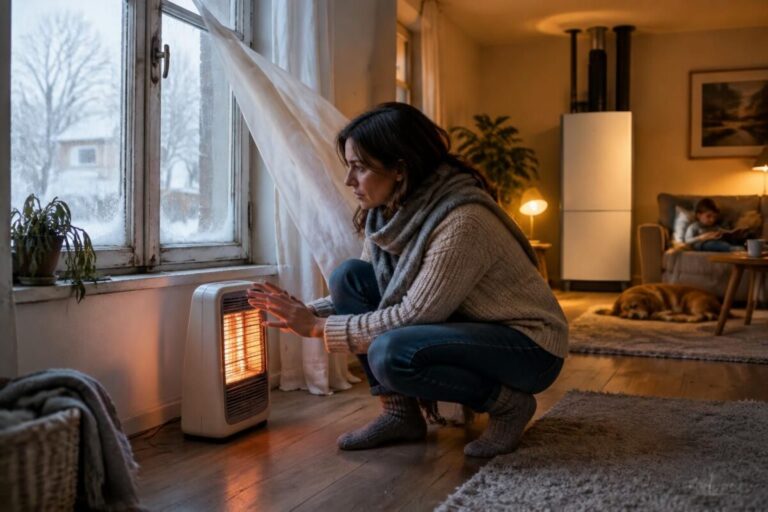
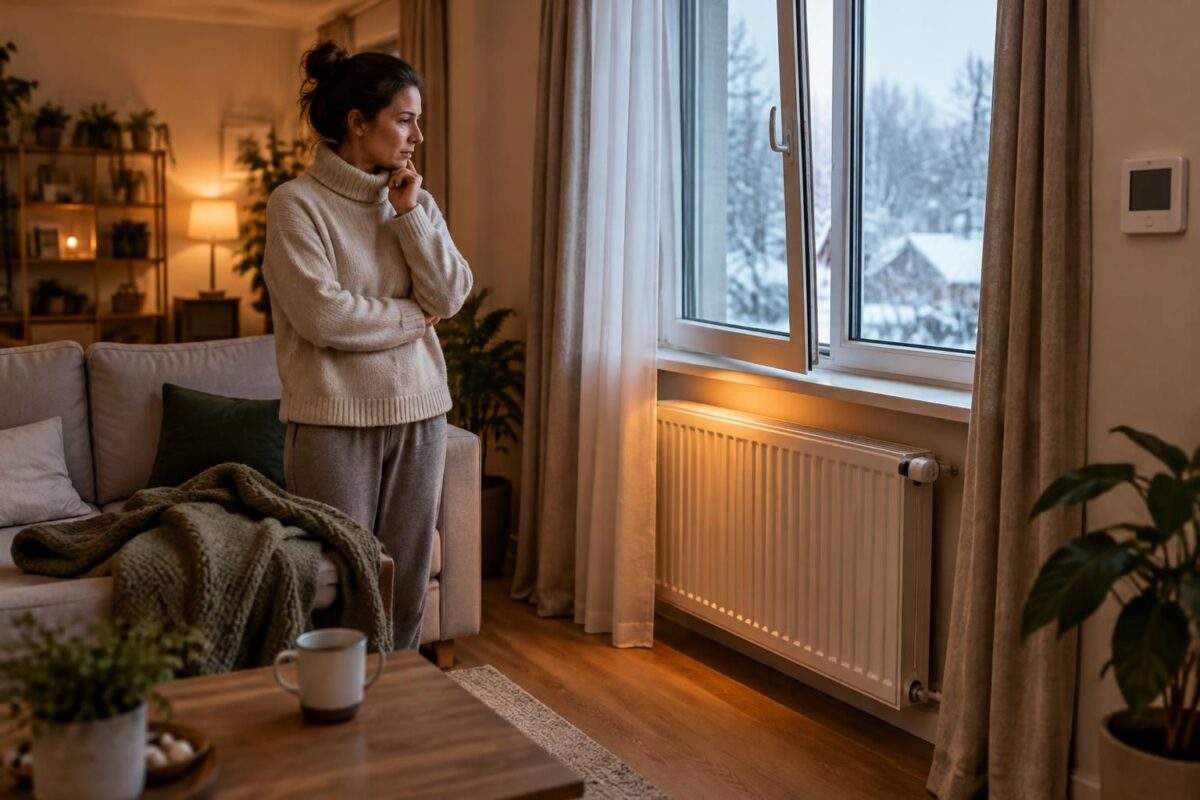
To illustrate these mistakes, let’s follow Nadia, who notices that her bills are going up even though her home is heated unevenly. She discovers that better settings and a few targeted fixes can already make a difference.
1. Heating every room to the same temperature
An occupied living room doesn’t have the same needs as a bedroom or a hallway. Heating every space in the same way increases energy consumption without adding comfort.
Adjust the setting to suit how each room is used. Around 19 °C is often suitable for occupied living areas, while a bedroom can be kept cooler.
2. Turning the thermostat up too high to heat the room faster
Setting the thermostat to 25 °C won’t warm a room any faster than choosing a reasonable temperature. It simply tells the system to keep heating for longer.
Choose the ideal temperature, then let the system reach it gradually. If the room stays cold, check the radiators, windows, and insulation instead.
3. Blocking radiators or forgetting to bleed them
A sofa pushed against a radiator or a curtain covering it can interfere with heat circulation. A radiator that doesn’t heat properly or makes unusual noises may also need bleeding.
Keep the area in front of the appliance clear. If you bleed a water-filled radiator, follow your system’s instructions and then check the boiler pressure if required.
4. Leaving windows open for too long
Ventilation is essential, but leaving a window ajar for hours cools the walls and furniture. The heating then has to make up for this heat loss, even when nobody is benefiting from the fresh air.
Open the windows wide for a few minutes, then close them. This method refreshes the air quickly while limiting heat loss.
5. Ignoring drafts and insulation
Worn seals, a poorly insulated attic, or a drafty front door can undo some of the benefits of adjusting the heating. Nadia had lowered the heat, but her living room still felt uncomfortable near the window.
Identify cold spots and drafts before replacing your equipment. Insulation may be the priority if your home loses heat quickly.
6. Neglecting boiler maintenance
A poorly maintained appliance may operate less efficiently and pose risks. In France, annual maintenance is mandatory for boilers covered by the regulations, including gas or oil boilers within the specified power ranges.
Hire a qualified professional and keep their certificate. Regular inspections help identify unsuitable settings and faults before they get worse.
7. Heating without taking absences into account
Keeping the temperature the same during an extended absence wastes energy. On the other hand, turning the heating off completely in the middle of winter can make your home cold and make it harder to get back to a comfortable temperature.
Program an appropriate temperature reduction based on how long you’ll be away and the characteristics of your home. A programmable thermostat makes this easier and prevents you from heating an empty home as if it were occupied.
Heating mistakes and quick fixes
| Common mistake | Possible effect | Useful fix |
|---|---|---|
| Setting the temperature too high | Longer heating and discomfort | Set a temperature that suits the room |
| A blocked radiator | Poor heat circulation | Clear the area in front of the appliance |
| A window left ajar for a long time | Walls and air cool down | Ventilate briefly with the windows wide open |
| Drafts left unaddressed | Heat loss | Check seals, doors, and insulation |
| Maintenance neglected | Settings or performance may deteriorate | Schedule boiler maintenance |
Lowering the temperature by one degree can reduce heating consumption by a few percent, depending on the home and how it is used. The actual effect also depends on insulation, the weather, and the type of system: the aim is to strike a balance between energy savings and comfort.
Adjust your heating settings in 3 steps
- Assess the rooms. Note where it’s too hot, too cold, or drafty. Also check that the radiators are distributing heat properly.
- Adjust the temperature. Program the thermostat according to the schedule and occupancy of each space. Avoid sudden changes and unnecessarily high settings.
- Address the underlying cause. Maintain the system and fix any heat loss you’ve identified. If your home is still difficult to heat, have its insulation assessed before considering new equipment.
These three steps help you distinguish a simple settings issue from the need for renovation work. That distinction is often what helps you spend your budget in the right place.
Practical questions about saving energy and heating
What temperature should you set in a living area?
Around 19 °C is a common guideline for an occupied living area. Adjust it to suit your comfort, your home’s insulation, and the recommendations for your system.
Should you turn off the heating at night?
You can generally lower the temperature setting at night rather than keeping it at the daytime level. The right setting depends on your home’s thermal mass and your heating system.
Why isn’t a radiator heating properly?
A radiator may be blocked by furniture or a curtain, incorrectly adjusted, or in need of bleeding. If the problem persists, have a professional check the system.
Should insulation or replacing the boiler be the priority?
It depends on heat loss and the condition of the equipment. A home assessment can help determine whether insulation or replacing the system will deliver the greatest benefit.
I hope you found these tips useful. See you soon! — Benjamin