Budget-friendly heating: the system that keeps you warm without breaking the bank
Hello, Benjamin here.
To heat your home without sending your bill soaring, choose a properly sized appliance with precise controls: an inertia radiator can be a good option for electric heating, while a heat pump generally uses less energy when it’s suited to your home.
The right choice depends on your insulation, your habits and your existing system. The goal isn’t just to produce heat, but to deliver it at the right time, where you need it.
What to do now to choose an energy-efficient heating system
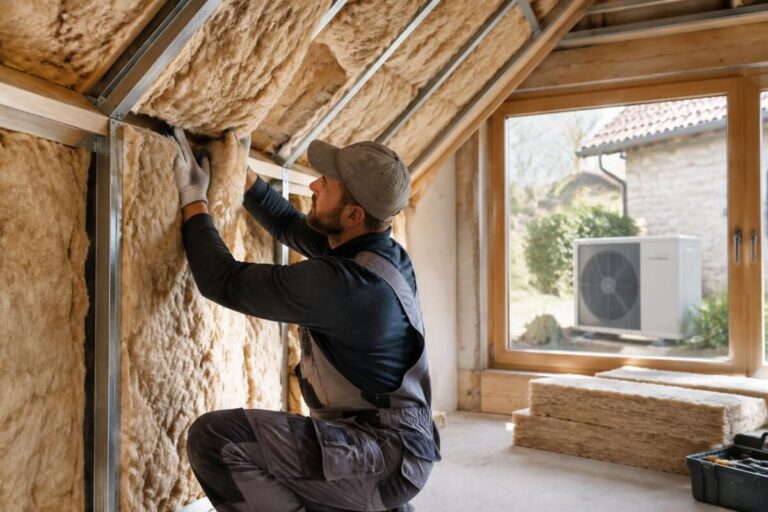
- Check your insulation before replacing your appliances: heat loss can offset some of the benefits of new equipment.
- Choose the output based on the room: a common guideline is 70 to 100 W per square metre, adjusted for ceiling height and insulation.
- Program the temperatures around your schedule: keep rooms comfortable when occupied, and lower the temperature at night or when you’re away.
- Compare systems suited to your home: inertia radiators, heat pumps and wood heating don’t all meet the same needs.
- Prioritize heating safety: keep the area around the appliance clear and choose a model with overheat protection.
To compare options without relying on a single savings claim, check out this comparison of energy-efficient heating systems and these methods suited to different homes.
Inertia radiator or heat pump: which should you choose?
An inertia radiator converts electricity into heat and releases it gradually through a ceramic or cast-iron core. It provides consistent thermal comfort, especially in rooms occupied for long periods, but it doesn’t magically use less electricity: savings mainly come from good programming, controlled temperatures and a well-insulated home.
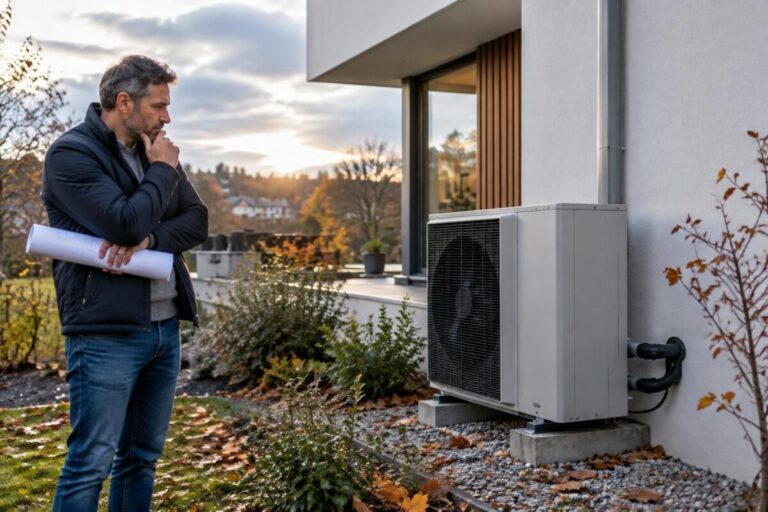
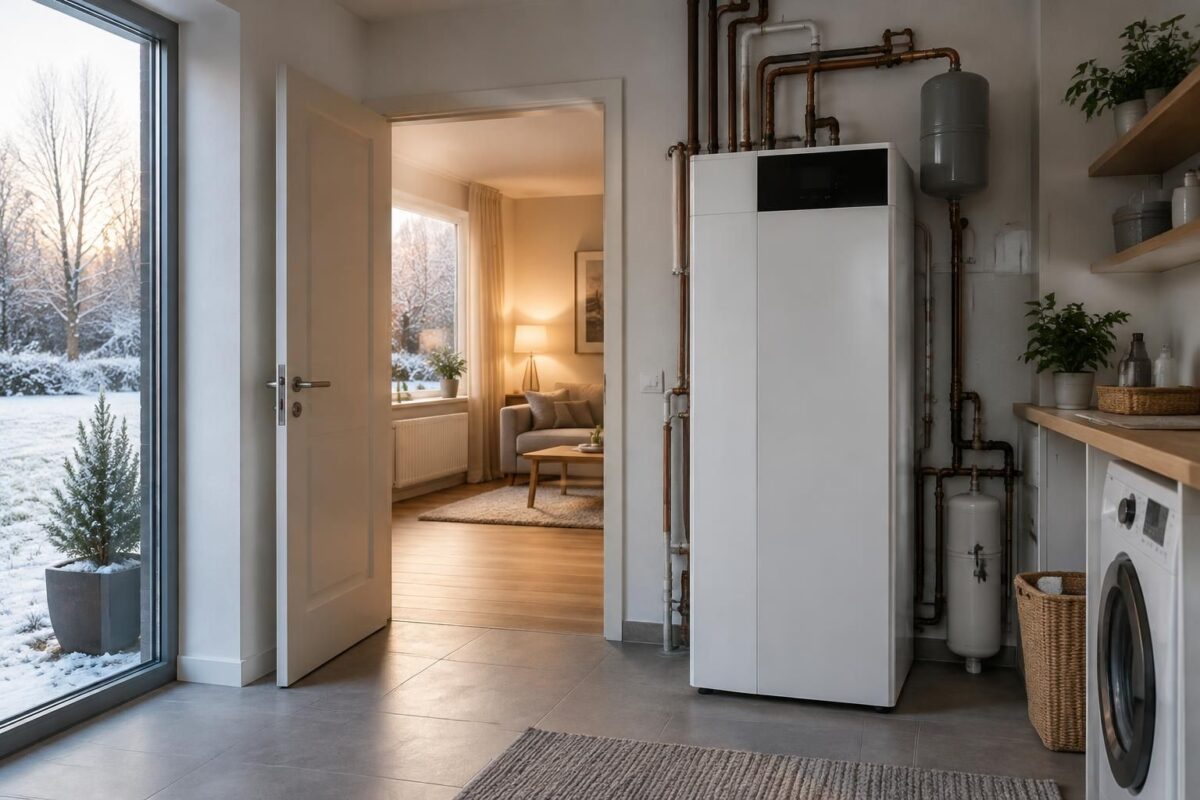
A heat pump uses renewable energy from the air, ground or water to produce heat. In a suitable home, it can provide several units of heat for each unit of electricity consumed. However, installation costs, the work required and the local climate all factor into the calculation.
| System | Main advantage | What to consider |
|---|---|---|
| Convector heater | Often inexpensive to buy and heats up quickly | Heat dissipates quickly and controls can be basic |
| Radiant panel heater | Heats people and nearby surfaces | Temperature is less stable after it’s switched off |
| Inertia radiator | Gradual heat and room-by-room controls | Its electrical efficiency is still that of direct electric heating |
| Heat pump | High energy efficiency in a suitable installation | Investment, sizing and maintenance to plan for |
In an apartment that already has electric heating, replacing an old convector heater with a programmable radiator can improve comfort and reduce unnecessary heating. When renovating a house, comparing this option with a heat pump and the cost of insulation helps you avoid deciding based only on the appliance price.
The dual core: quick warmth, followed by gradual heat
Some radiators combine an aluminium heating film with a ceramic core. The film provides a sensation of warmth quickly; the core stores some of the heat and releases it later. This combination can feel comfortable in a living room used every evening, but its actual efficiency depends on the controls and how it’s used.
Advertised savings, sometimes around 10 to 20% compared with older appliances, aren’t guaranteed in every home. A reliable comparison means keeping temperatures, schedules and weather conditions the same. Energy-efficient heating therefore starts with sensible settings, not just a technology highlighted on the packaging.
How to reduce energy use without sacrificing comfort
Temperature control often makes a more noticeable difference than replacing a radiator with an identical one. Programming the living room to 19 °C while it’s occupied, then lowering the setting at night or when everyone is away, avoids unnecessary heating. Needs vary depending on the people and the home: adjust gradually rather than following a rigid setting.
A smart thermostat can make these adjustments easier and let you control the heating remotely. Open-window detection can also temporarily switch off the heating while you air the room. These features can help save energy, as long as you don’t make up for it afterward by setting the temperature too high.
- Install the radiator in an unobstructed spot, with no furniture or curtains in front of it.
- Avoid heating an unoccupied room for long periods.
- Air the room briefly, then close the window before turning the heating back on.
- Monitor the settings for a few weeks and adjust them to suit your comfort.
The cost of an hour of heating depends on the power actually used and your tariff. At full power, a 1,000 W appliance uses 1 kWh in an hour; calculate the cost by multiplying this consumption by the price per kilowatt-hour. In practice, the thermostat may stop the heating once the target temperature is reached, reducing consumption compared with continuous operation.
Choosing the radiator’s output and location
For a 20 m² room, a common estimate puts the heating requirement at around 1.4 to 2 kW, depending on insulation, region and ceiling height. An appliance that’s too small may run for a long time without reaching the desired temperature; an oversized model isn’t automatically more energy-efficient. An accurate assessment takes the home’s heat loss into account.
When the layout allows, place the appliance on an exterior wall or under a window, without blocking heat circulation. Follow the manufacturer’s installation clearances and safety instructions, especially in a bathroom. Preventing overheating also involves simple maintenance: dust the grilles and keep the air outlets clear.
Three steps to make a well-informed choice
- Assess your home. Identify cold rooms, drafts and insulation problems. If walls or windows let in a lot of cold, deal with the major sources of heat loss first.
- Compare compatible options. For a quick replacement in a home with electric heating, look at inertia radiators and their programming features. For a larger renovation, also ask for a heat pump assessment.
- Measure the results. Track temperatures, schedules and energy use over several weeks. You’ll be able to check whether comfort has genuinely improved without an excessive increase in your bill.
Eco-friendly heating isn’t just about buying a new appliance: it’s the combination of insulation, suitable equipment and mindful use that makes the results last. A well-chosen system should suit your budget, your home and your lifestyle.
Frequently asked questions about energy-efficient heating
Which electric radiator uses the least energy?
At equal power, electric radiators convert electricity into heat. An inertia model can improve comfort and reduce unnecessary heating with good controls, but it does not, on its own, guarantee lower energy use.
Is an inertia radiator suitable as a primary heating system?
Yes, particularly in a properly insulated home with suitable controls. However, its output needs to be sized for the room, and its running costs should be compared with other options, such as a heat pump.
How much does an hour of electric heating cost?
A 1,000 W radiator running at full power for one hour uses 1 kWh. Multiply this amount by the price per kilowatt-hour on your tariff; a thermostat can reduce the actual heating time.
What temperature should I set to save energy?
A moderate setting in occupied rooms, and a lower one at night or when you’re away, can reduce heating needs. Adjust the settings to suit the occupants’ comfort and the characteristics of the home.
Thanks for reading! Feel free to share your thoughts in the comments. — Benjamin