Isolation: which heating system still makes sense without major work
Hello, it’s Benjamin.
Without major work, the most logical choice is often to keep your existing heating system and limit heat loss before buying a new appliance.
Heating without renovation work can improve comfort, but it won’t make up for very poor insulation. The right choice depends mainly on the energy source already available, the size of the home, and whether each room can be heated effectively.
What to do now
- Check for drafts around windows and doors, then install suitable weatherstripping.
- Close the shutters in the evening and move items away from radiators so heat can circulate.
- Set the thermostat to around 19 °C in living areas and lower the temperature at night if your home allows it.
- Air out the home by opening the windows wide for about 10 minutes, rather than leaving a window ajar for a long time.
- Keep track of your energy use and note which rooms are cold before buying a supplementary heater.
To compare options suited to a poorly performing building envelope, also see this guide to heating in a poorly insulated home and these steps to try before changing your heating system.
Which heating option makes sense when insulation is limited?
When walls, windows, or the roof let heat escape, changing the appliance won’t solve the problem on its own. More powerful equipment may simply consume more energy, while an undersized appliance may leave some rooms cold.
In a poorly insulated home, start by keeping the central heating system if it is working properly. Simple measures, such as weatherstripping, thick curtains, and draft excluders, can make the temperature more consistent without major work.
Compare options based on your home
| Option | When it may be suitable | Points to consider |
|---|---|---|
| Existing, well-maintained heating system | If the boiler or radiators are working and the system is suitable. | Proper maintenance and settings are still necessary. |
| Energy-efficient electric radiator | For a small room, a compact home, or occasional use. | Direct electric heating can be expensive if it heats a poorly insulated home for long periods. |
| Efficient supplementary heater | To quickly provide extra heat in an occupied room. | It should not replace the main heating system throughout the home. |
| Wood-burning stove | If the home has a compliant flue and space for fuel storage. | A wood-burning stove without complex installation is not always an option: the flue, air supply, and installation must be checked. |
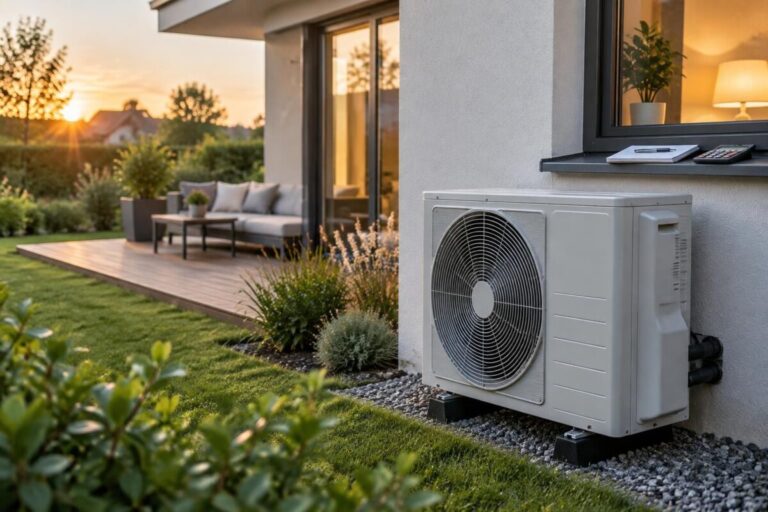
| Air-to-air heat pump | If an outdoor unit can be installed and the layout allows heat to be distributed. | A heat pump without major renovation is still an installation that needs to be assessed by a professional. |
The best heating option for a poorly insulated home is not necessarily a new appliance: first and foremost, it is a system that can meet the home’s needs without disproportionate expense. If the walls are very cold or several rooms are difficult to heat, assessing the building envelope should come before choosing new equipment.
Small adjustments or new equipment: what should you prioritize?
To reduce your heating bill, start with low-cost measures that won’t get in the way of a future project. Reflective panels behind some radiators, rugs on cold floors, and thick curtains can improve how warm a room feels, even though they do not replace wall insulation.
A supplementary heater meets a local need, not the needs of an entire house. For example, if someone works in a room that is otherwise unused during the day, heating only that room may make more sense than turning up the temperature everywhere.
Example: an older home heated with electricity
In an 80 m² home with old windows, replacing all the radiators with newer models does not guarantee a significant reduction in energy use. If heat escapes quickly, the new appliances will still need to run for a long time.
By contrast, sealing gaps around openings, closing the shutters at night, and using a radiator in the occupied room can improve comfort in the short term. Electric heating only becomes truly worthwhile if the home is reasonably energy-efficient and the temperature is controlled room by room.
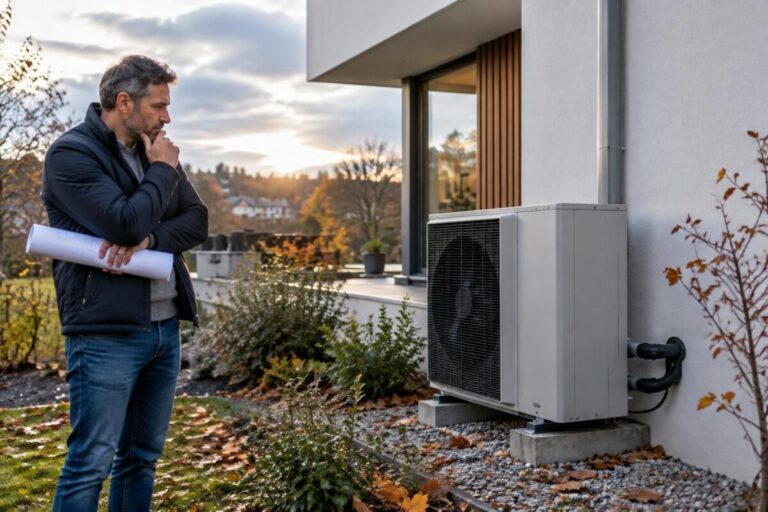
A heat pump can reduce running costs in some situations, but it is not a do-it-yourself decision. The location of the outdoor unit, noise levels, electrical capacity, and compatibility with the heat emitters must all be checked before signing a contract.
Thermal insulation and heating: decide in three steps
- Check for heat loss. Look at the windows, doors, cold walls, and rooms that cool down quickly. If possible, rely on an energy assessment or professional advice.
- Review your existing system. Note the energy source, the age of the appliance, its maintenance history, and any constraints in your home. This step helps you avoid choosing an option that is incompatible with the property.
- Compare the total cost before replacing anything. Request several detailed quotes and distinguish between the cost of the appliance, installation, maintenance, and expected energy use. Available grants change over time: check the rules with France Rénov’ before signing.
This approach also helps rule out heating options that are easy to install and seem appealing but become expensive to run when used all day. A well-chosen appliance should match a particular room, duration of use, and specific need.
Mistakes to avoid when heating without major renovation work
The first mistake is buying a powerful supplementary heater to compensate for an entire house losing heat. The appliance may make one room comfortable, but prolonged use could increase your bill without addressing the cause of the cold.
Also avoid blocking air inlets or giving up on ventilation. Indoor humidity encourages condensation and mold; short, regular airing helps maintain healthy air without leaving the home cold for long.
Finally, don’t choose a stove or heat pump based solely on promises of savings. The flue, any required permits, available space, and the home’s characteristics can all affect the project’s actual cost.
Frequently asked questions about heating without major renovation work
Which heating system should you choose for a poorly insulated home?
Start by keeping an existing system that is in good condition and reducing drafts. A supplementary heater can complement the main heating system in one room, but it cannot replace improving the insulation.
Can an electric radiator be economical?
It may be suitable for a small, well-insulated home or a room used occasionally. In a large, poorly insulated house, direct electric heating can be expensive if it runs for long periods.
Can you install a heat pump without major renovation work?
Sometimes, particularly with an air-to-air heat pump, but installation depends on the outdoor location, electrical capacity, and layout of the home. A professional should check whether it is feasible.
What simple steps can improve comfort in winter?
Install weatherstripping around windows and doors, close the shutters in the evening, move items away from radiators, and air out the home briefly every day. These steps reduce heat loss and improve comfort without major work.
Thanks for reading! Feel free to share your observations in the comments. — Benjamin