Insulation before heating: the right order
Hello, Benjamin here. The best approach is to assess insulation before sizing the heating system, without assuming that all the work must always be completed before installing a new unit. An effective energy renovation starts with the home’s actual needs and the intended end scenario. Thermal insulation reduces heat loss; the heating system should then be chosen with those needs in mind. It therefore makes sense to plan both decisions together.
What to do now: plan the order of the work
- Identify the rooms that feel uncomfortable and the areas that seem to let heat escape.
- List the work you’re considering: attic insulation, wall insulation, windows, or ventilation.
- Gather information about your current heating system, heat emitters, and any available bills.
- Share the complete scenario with professionals before comparing equipment and capacity.
- Plan for heating to remain available during the work, especially if the home will still be occupied.
This preparation helps you avoid choosing a unit based solely on current needs, even though the planned work may change them. To explore options for different homes, you can also read this guide to eco-friendly heating for a small house and these tips for avoiding mistakes that drive up heating costs.
Insulation and eco-friendly heating: think in terms of the overall plan
If insulation is planned before the heating system
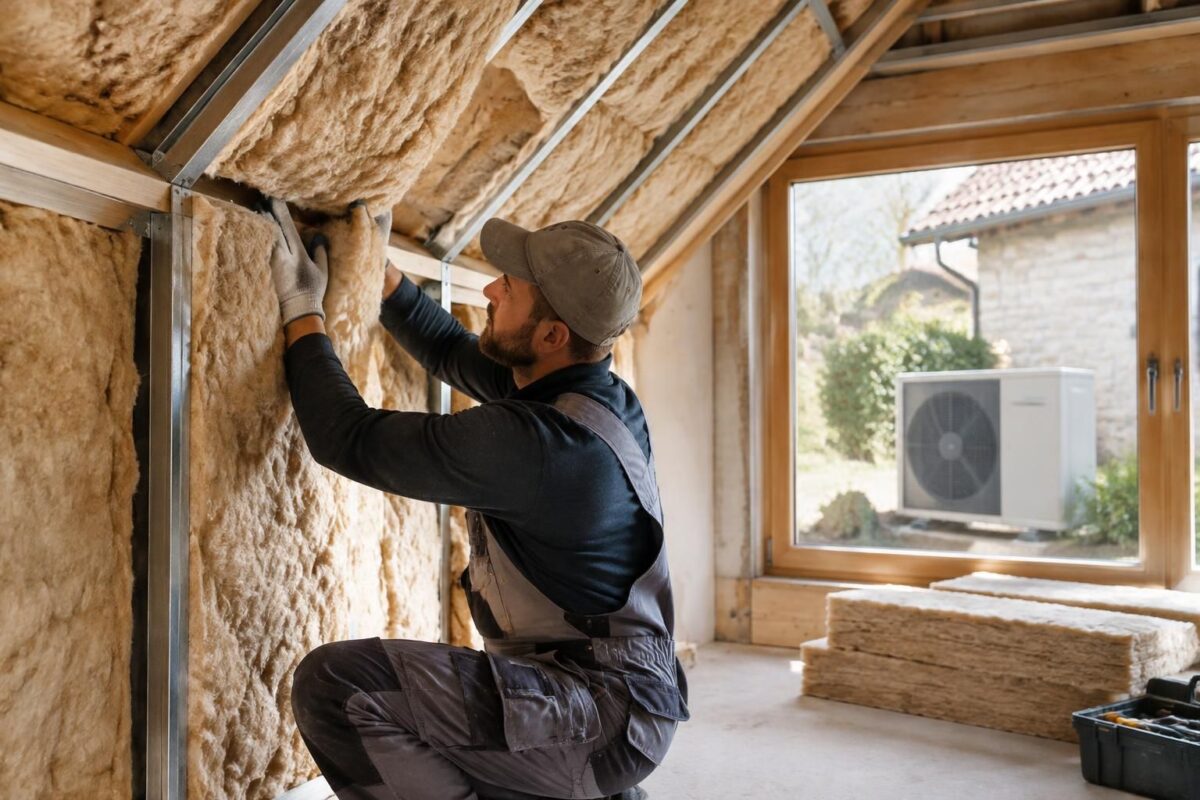
A better-insulated building envelope can reduce the amount of heat needed to maintain comfort. Attics, walls, floors, and air leaks do not all contribute equally to heat loss: an assessment can help prioritize the work.
The professional should then assess the heating system based on the home’s expected condition after the work, rather than simply matching the capacity of the old equipment. This is the right way to pursue consistent energy performance without oversizing the system.
If the heating system needs to be replaced first
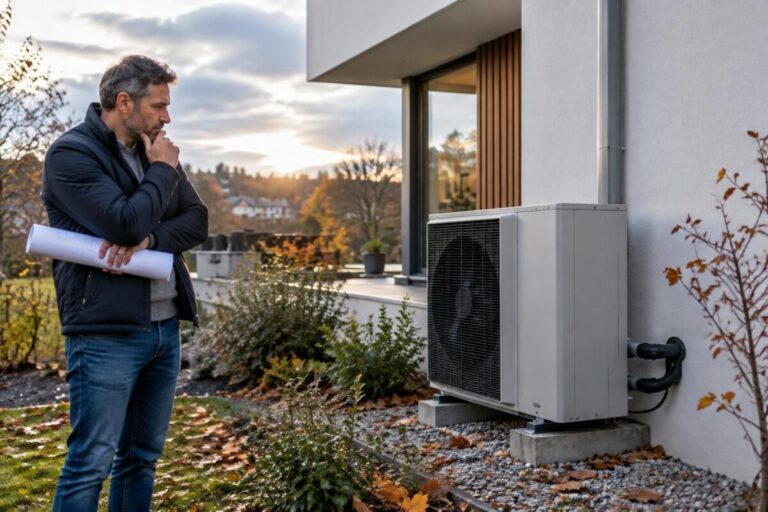
A breakdown or an end-of-life system may mean you need to act quickly. A heat pump is not automatically ruled out in a poorly insulated home, but its performance depends in particular on heating needs, heat emitters, water temperatures, and controls.
In this case, clearly tell the contractor about the work planned for the future. They can explain how their proposal takes the home’s current condition, planned changes, and any adjustments to check after insulation into account.
Compare the steps before choosing a heating system
Efficient equipment alone cannot make up for a building’s heat loss. Conversely, insulation alone cannot guarantee comfort if the heating system, ventilation, or controls are unsuitable. The right decision is to consider these elements together.
| Decision | What to assess | What you’re aiming for |
|---|---|---|
| Understand your needs | Cold rooms, usage, bills, and the condition of the building envelope | Clear renovation priorities |
| Plan the building envelope | Attic insulation, wall insulation, windows and doors, and ventilation | Better-controlled heat loss |
| Assess the heating system | Heat generator, radiators or underfloor heating, controls | A solution suited to the planned scenario |
| Organize the work | Access, timelines, finishing work, and periods without heating | Coordinated work |
| Check the result | Commissioning, adjustments, and observed comfort | A system you understand and can monitor |
The table provides a planning method, not a universal order of work. Access, utility connections, and work on the walls can affect the schedule: ask contractors to clarify how the work interfaces and who is responsible for what.
A practical example to avoid incorrect sizing
A household plans to insulate its attic this year, then replace its boiler. By sharing a description of the planned work with the heating contractor, the household allows them to explain what condition of the home their calculations are based on and how the radiators will be assessed.
If the boiler needs to be replaced before the insulation, the proposal should also account for this interim stage. The goal is not to guess a capacity, but to get a technical justification and an adjustment plan for after the work.
Plan the work in three steps
- Establish the assessment and the end scenario. Note any discomfort, the work being considered, ventilation, and equipment to be kept. A line-by-line budget and a scope of work make it easier to coordinate with contractors.
- Have the options assessed on that basis. Ask contractors to specify the needs they have used, whether the heat emitters are compatible, any related work, and the planned adjustments. Compare proposals based on the same scenario.
- Organize the work and follow-up. Plan ahead for periods without heating or domestic hot water, then arrange a check after the insulation work. Adjustments may be needed as the home’s needs change.
Questions to ask before insulation and heating work
Do you have to insulate before installing a heat pump?
No. It is useful to assess insulation before determining the system size, but a poorly insulated home is not automatically unsuitable for a heat pump. A professional should assess heating needs, heat emitters, and planned work.
Why tell the heating contractor about future work?
Insulation can reduce heat loss and change heating needs. The contractor needs to know the home’s current condition and the planned scenario to explain the choice of equipment and its settings.
Can the renovation be carried out in several stages?
Yes, provided the work, connections, and continuity of heating are coordinated. The phased plan should also specify the checks to carry out after each stage.
Does insulation guarantee specific energy savings?
It can reduce heating needs, but the result depends on the home, the quality of installation, the system installed, and how it is used. A reliable estimate is based on data specific to the building, not on a universal percentage.
Thanks for reading! Feel free to share your thoughts in the comments. — Benjamin