Eco-friendly heating: the choice that prevents financial ruin
Hello everyone, it’s Benjamin. To keep your bills from soaring, start by insulating your home, then choose a system suited to its heating circuit and your budget. A heat pump is often a great option for a well-insulated home with central heating. Wood can cost less to use, while gas generally requires less work to install but remains exposed to price fluctuations.
WHAT TO DO FIRST
- Look for drafts and rooms that are difficult to heat.
- Check whether your home already has a hot-water heating circuit.
- Compare installation costs and heating bills, not just the price of the appliance.
- Ask several qualified professionals for detailed quotes.
- Find out what financial assistance is available before signing.
Which cost-effective heating system should you choose for your home?
The least expensive system depends on the house, not just the appliance. A heat pump can be a good choice if the home is well insulated and the heating network is compatible; a stove may be suitable if there is no hot-water circuit, provided you have space to store the fuel.
To compare options, look at the total cost: purchase, installation, maintenance, and energy consumption. The estimates below provide a rough guide, but the floor area, weather, insulation, and household habits can significantly affect the outcome.
| System | Indicative annual cost | Indicative installation cost | What to check |
|---|---|---|---|
| Air-to-water heat pump | Around €1,450 | About €10,000 to €15,000 | Insulation, hot-water network, and sizing |
| Biomass boiler | Around €1,740 | About €12,000 to €18,000 | Storage space and fuel delivery |
| Wood or pellet stove | Around €1,660 | About €3,000 to €6,000 | Heat distribution and maintenance |
| Condensing gas boiler | Around €2,010 | About €5,000 to €8,000 | Gas prices and CO₂ emissions |
| Standard electric radiators | Around €2,630 | About €200 to €1,000 | Running costs and insulation quality |
These figures are rough estimates based on indicative comparisons: they vary depending on the model, region, home, and energy prices. They are not a substitute for a personalized estimate of your heating budget.
Heat pumps: energy savings if your home is ready
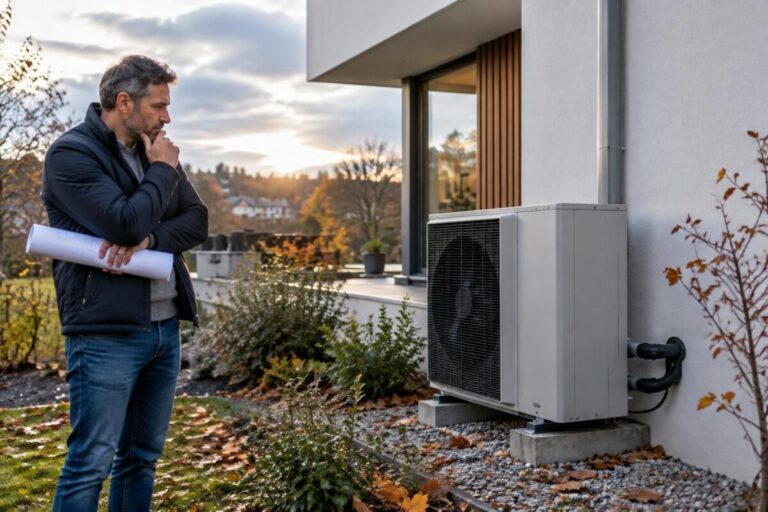
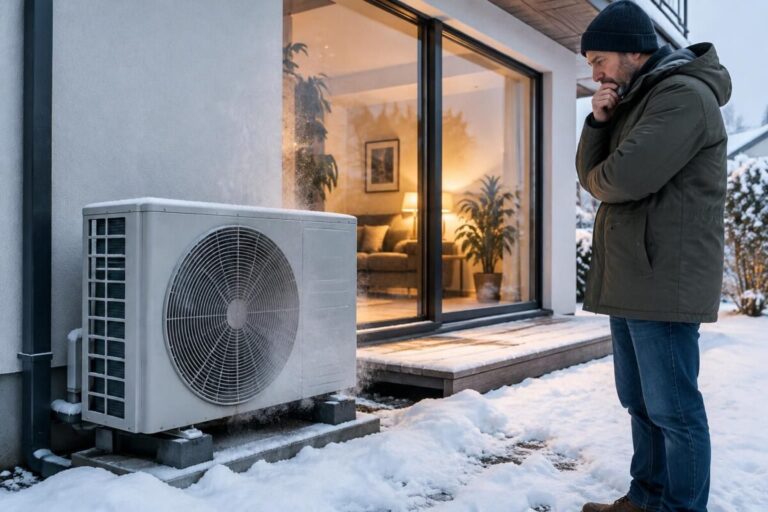
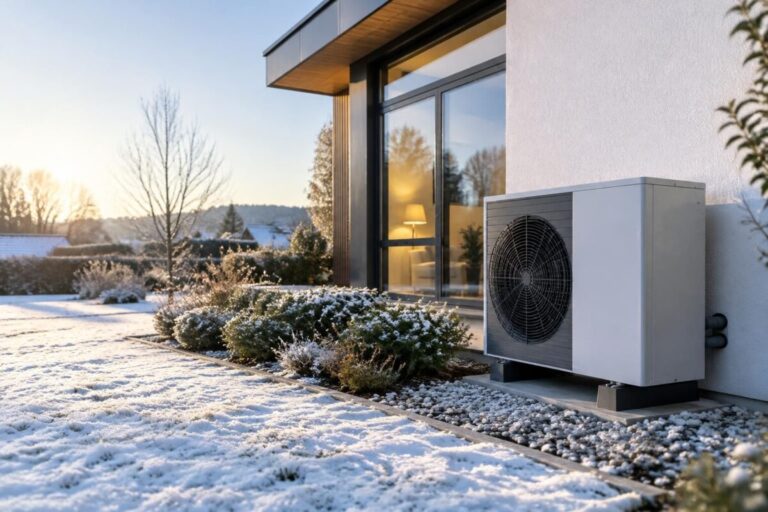
An air-to-water heat pump captures some of the heat in the outdoor air to warm the water in the heating circuit. With a COP close to 3 under certain conditions, it can deliver several units of heat for each unit of electricity consumed, but its actual performance depends in particular on the outdoor temperature and settings.
It is often a good fit for homes already equipped with water radiators or underfloor heating. Before replacing a boiler, check the temperature required by the heat emitters and the condition of the insulation: a poorly sized unit may rely more heavily on its electric backup.
If you’re unsure whether your system is compatible, this guide explains when a heat pump can replace a boiler. To prepare for the installation, also check out these tips before having a heat pump installed.
Wood and pellets: a cost-effective option with practical considerations
Wood is a renewable energy source and can reduce running costs, especially when used in a modern, properly adjusted appliance. A pellet stove can heat a living area efficiently; a biomass boiler can supply a central heating system, but requires a larger installation budget.
You’ll need to plan for storage, fuel supply, and maintenance. A common mistake is choosing a stove that is too powerful: it heats up quickly, but can make the room uncomfortable and run at a low setting, which is not ideal for combustion.
If you have a central room and a dry place to store fuel, a stove can be a simple solution. If you want to heat the whole house using the existing network, compare a biomass boiler with a heat pump.
Gas: convenient in the short term, less certain over time
A condensing gas boiler can be a middle-ground option when the home is already connected to the gas network and the upfront budget is limited. It provides consistent comfort, but gas remains a fossil fuel and its price can fluctuate.
Before replacing an end-of-life boiler with a similar model, compare the cost of the work with that of a broader energy-efficiency renovation. The cheapest installation today is not necessarily the one that will reduce your heating bills the most in the long run.
Insulation and efficient heating: the order of work matters
An efficient heating system cannot make up for walls, attics, or windows that let heat escape. Insulation reduces a home’s heating needs and often makes it possible to choose less powerful equipment, which costs less to install and operate.
In a poorly insulated home, start by identifying the biggest sources of heat loss: the roof, attic, walls, and air leaks. A properly adjusted thermostat and a reasonable temperature—often around 19 to 20°C in living areas—can also limit energy use without sacrificing comfort.
Solar energy can complement some heating systems, but it generally cannot meet your needs on its own during cold spells. To understand its limitations in winter, read this overview of solar heating during the cold season.
Three steps to choose a system without sending your heating budget through the roof
- Step 1 — Assess your home. Note the floor area, insulation, type of radiators, whether there is a hot-water circuit, and your current expenses.
- Step 2 — Compare suitable options. Ask for several quotes specifying the equipment, capacity, installation, maintenance, and estimated energy consumption. Also check which financial assistance you may be eligible for.
- Step 3 — Review the quote before signing. Make sure the work and equipment are clearly described. An attractive price is not enough if the system sizing or services are unclear.
If you’re considering a heat pump in a home with central heating, first compare its total cost with the cost of replacing the boiler. If you mainly heat one room and don’t have a hot-water network, a stove may be simpler, provided you’re willing to handle the storage and carrying of fuel.
A successful energy transition rarely depends on a single appliance. The right equipment, a less energy-hungry home, and suitable settings are the three things that can really help keep bills under control.
Frequently asked questions about cost-effective heating
Which cost-effective heating system should you choose in 2026?
A heat pump is often a good option for a well-insulated home with a hot-water circuit. Wood may be suitable if storage is possible. The best choice depends on the home, the work required, and local energy prices.
Is a heat pump cost-effective without financial assistance?
It can still be cost-effective to run thanks to its efficiency, but the upfront investment is high. Cost-effectiveness depends on the climate, insulation, system sizing, and electricity costs; financial assistance can shorten the payback period.
Is wood heating suitable for every home?
No. You need to plan for a suitable appliance, proper smoke evacuation, and storage space. A stove mainly heats nearby rooms, while a biomass boiler can supply a central heating network.
Should you insulate before changing your heating system?
This is often preferable. Reducing heat loss lowers your heating needs and makes it easier to choose a suitable system without oversizing it.
Thanks for staying with me until the end; Benjamin